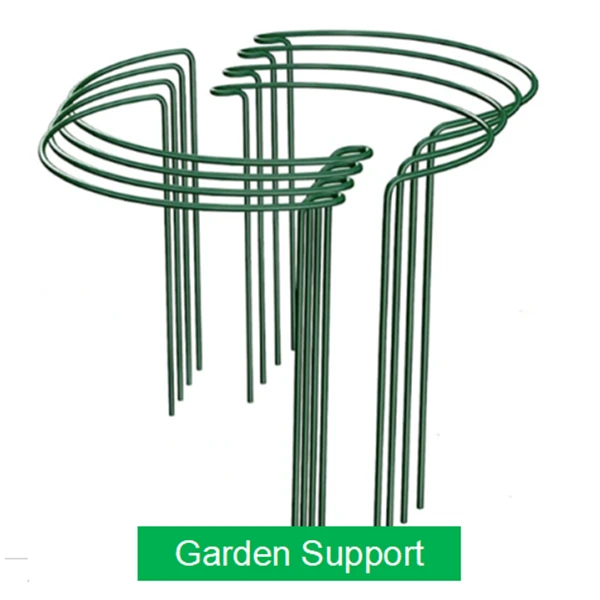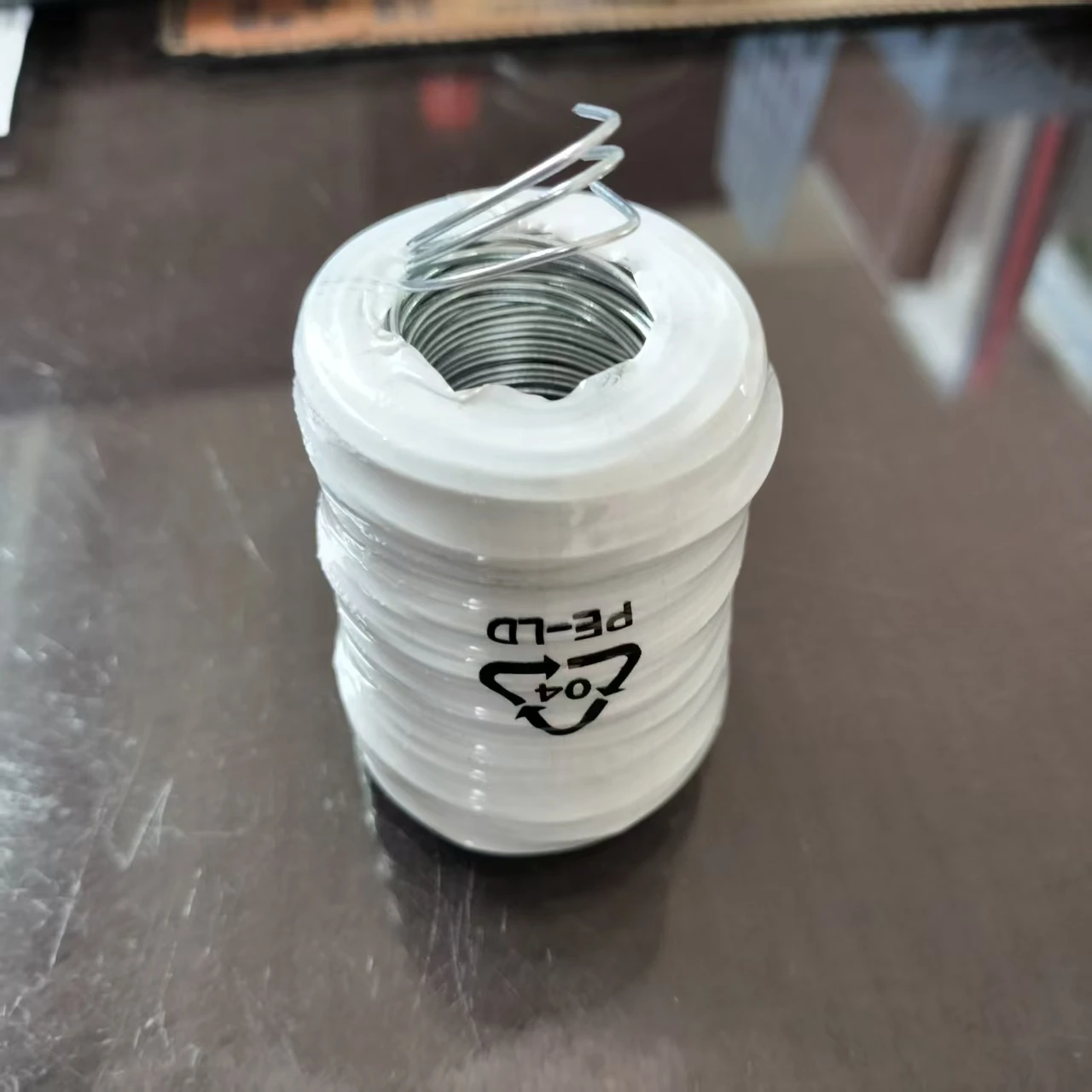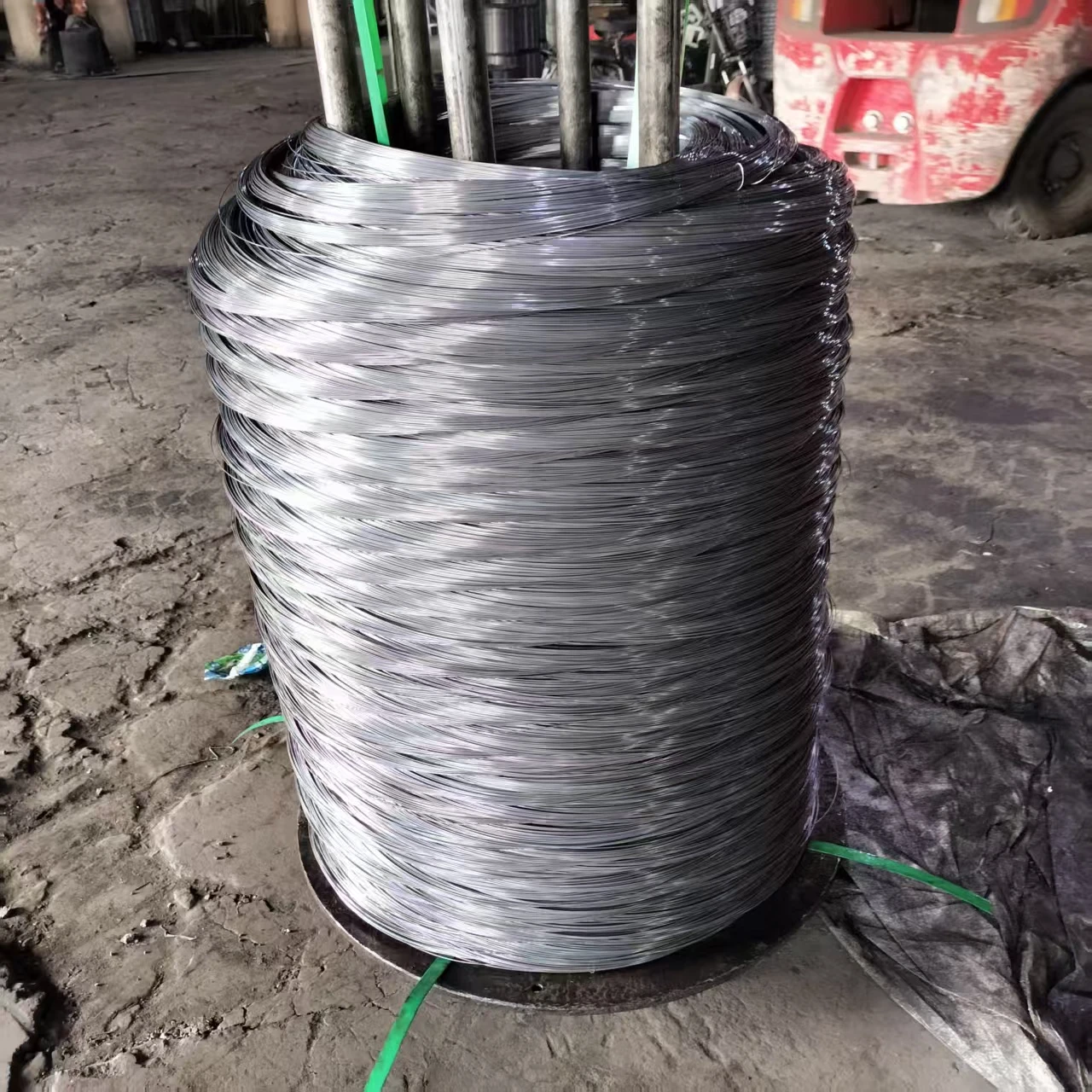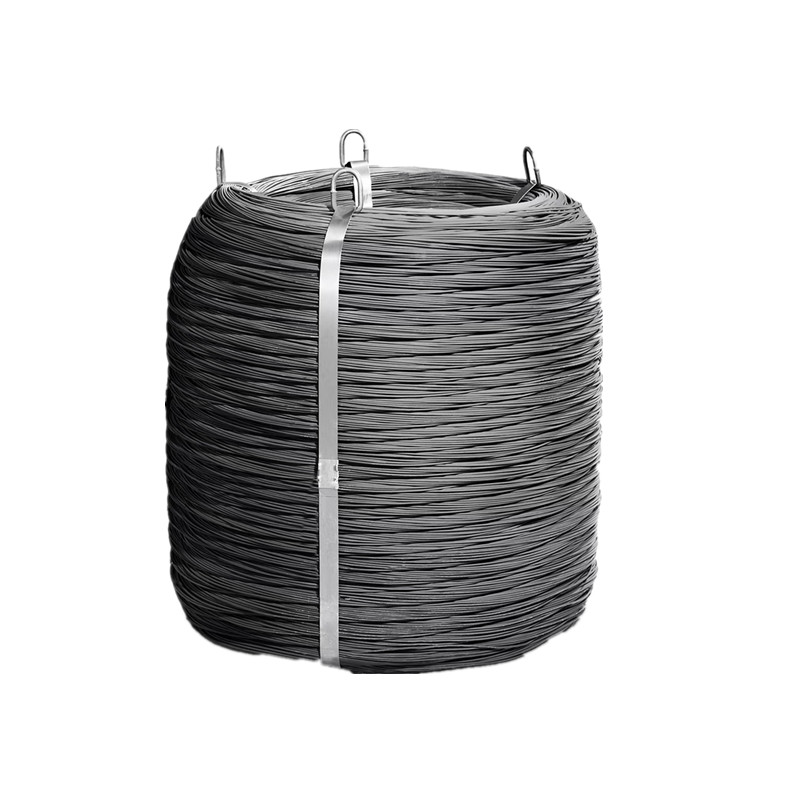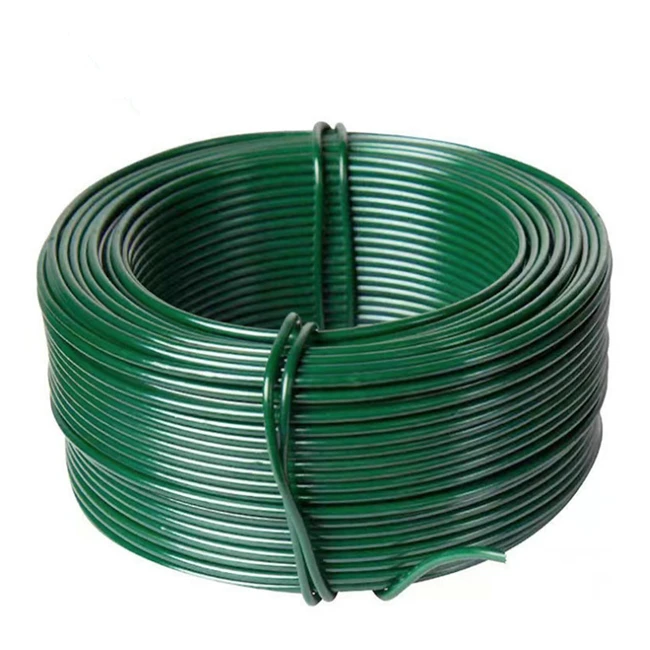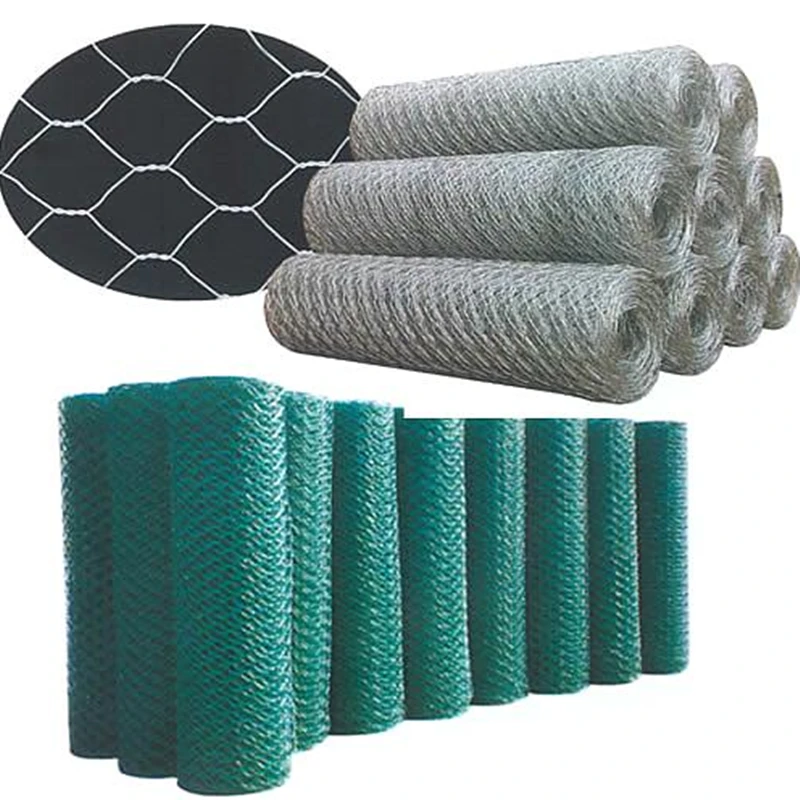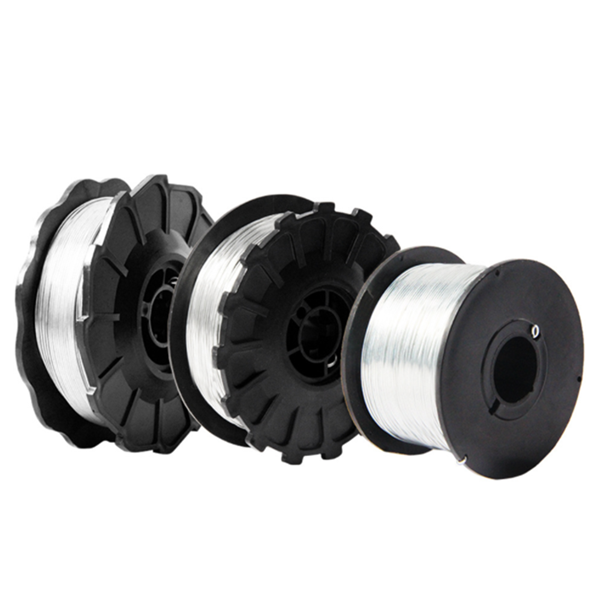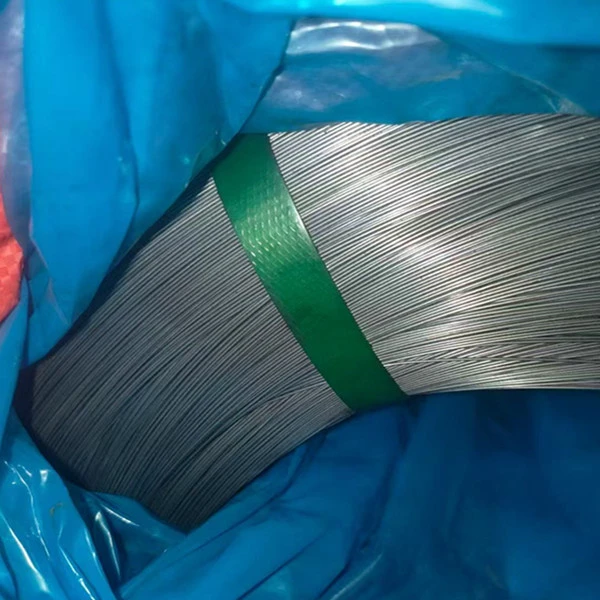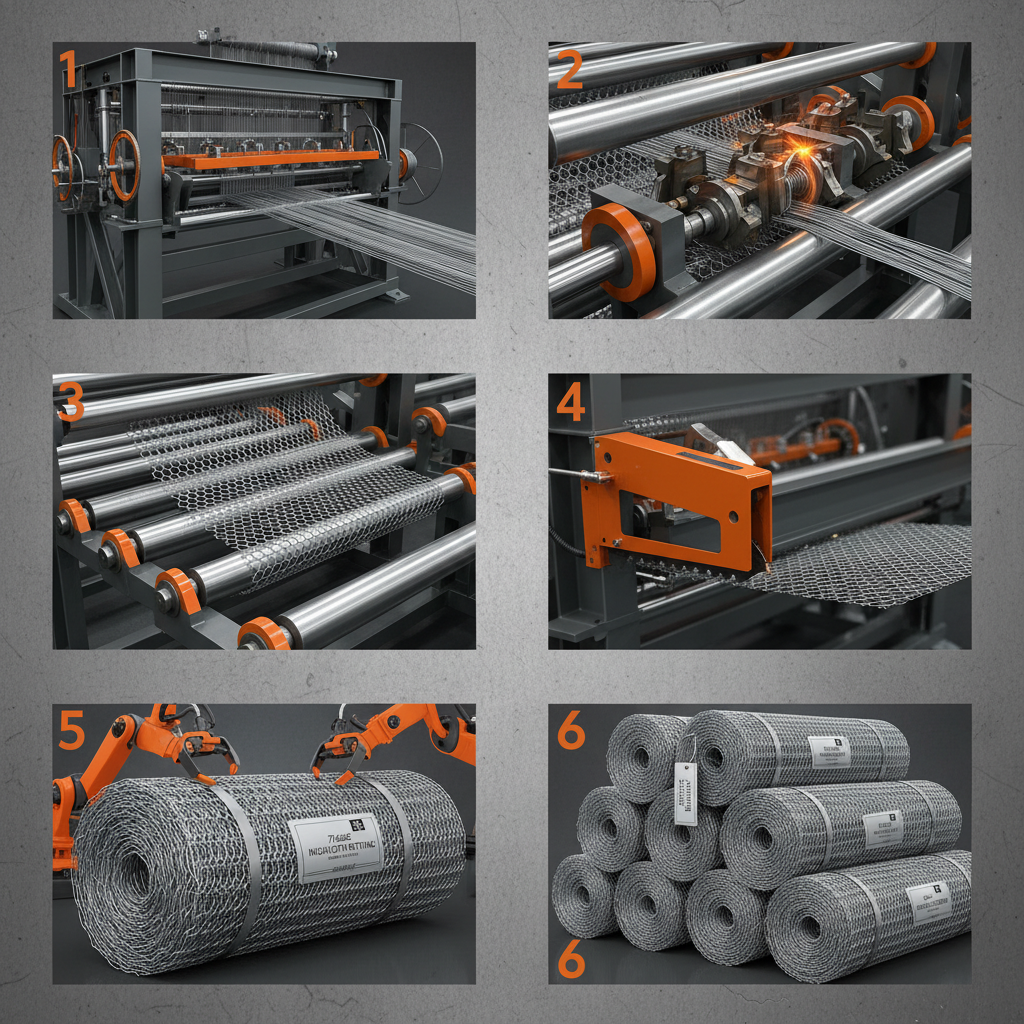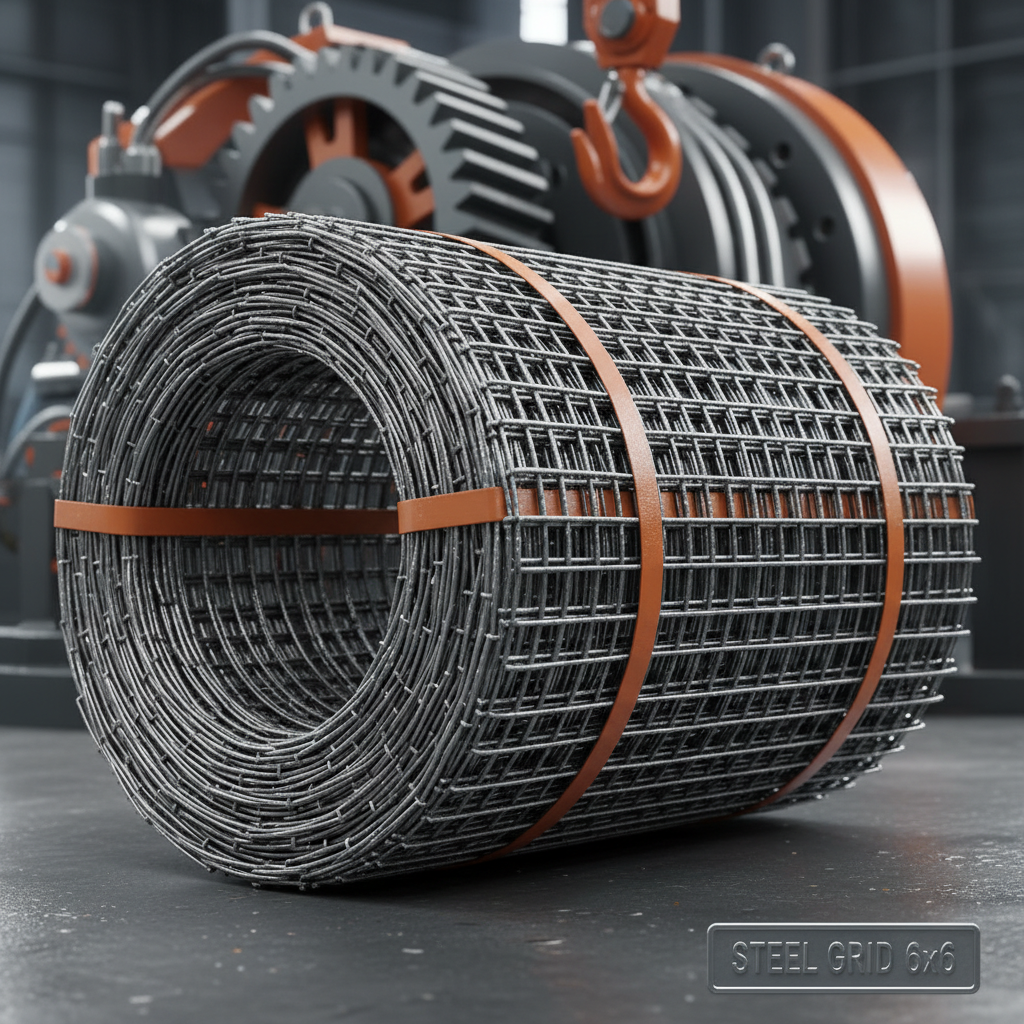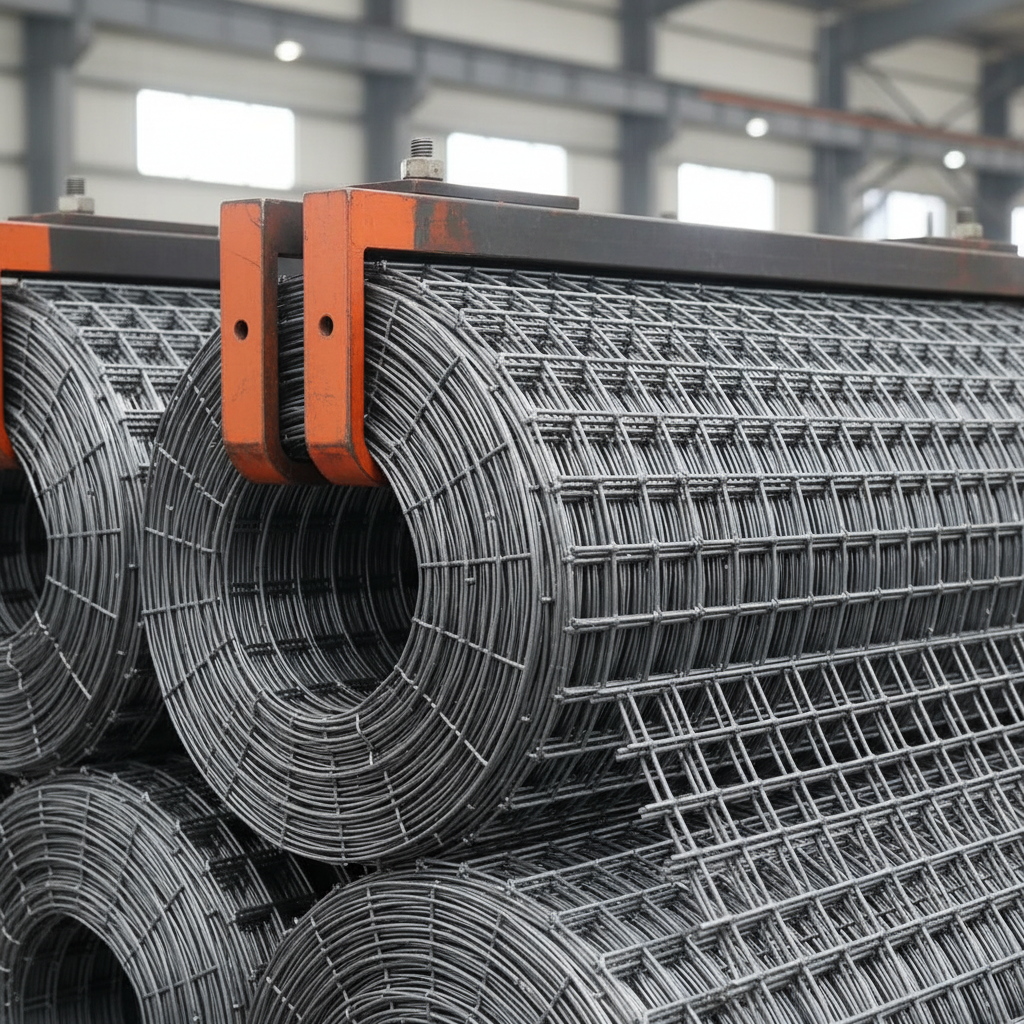
Wire Mesh For Plants is a key solution in the industry, specifically within agricultural and horticultural sectors. This article explores how https://www.lanyewiremesh.com supports professionals with durable, high-performance products, and explains why this product is an ideal choice for businesses in these sectors.
Table of Contents
- Wire Mesh For Plants Overview
- Benefits & Use Cases of Wire Mesh For Plants
- Cost, Maintenance & User Experience
- Sustainability & Market Trends
Wire Mesh For Plants Overview
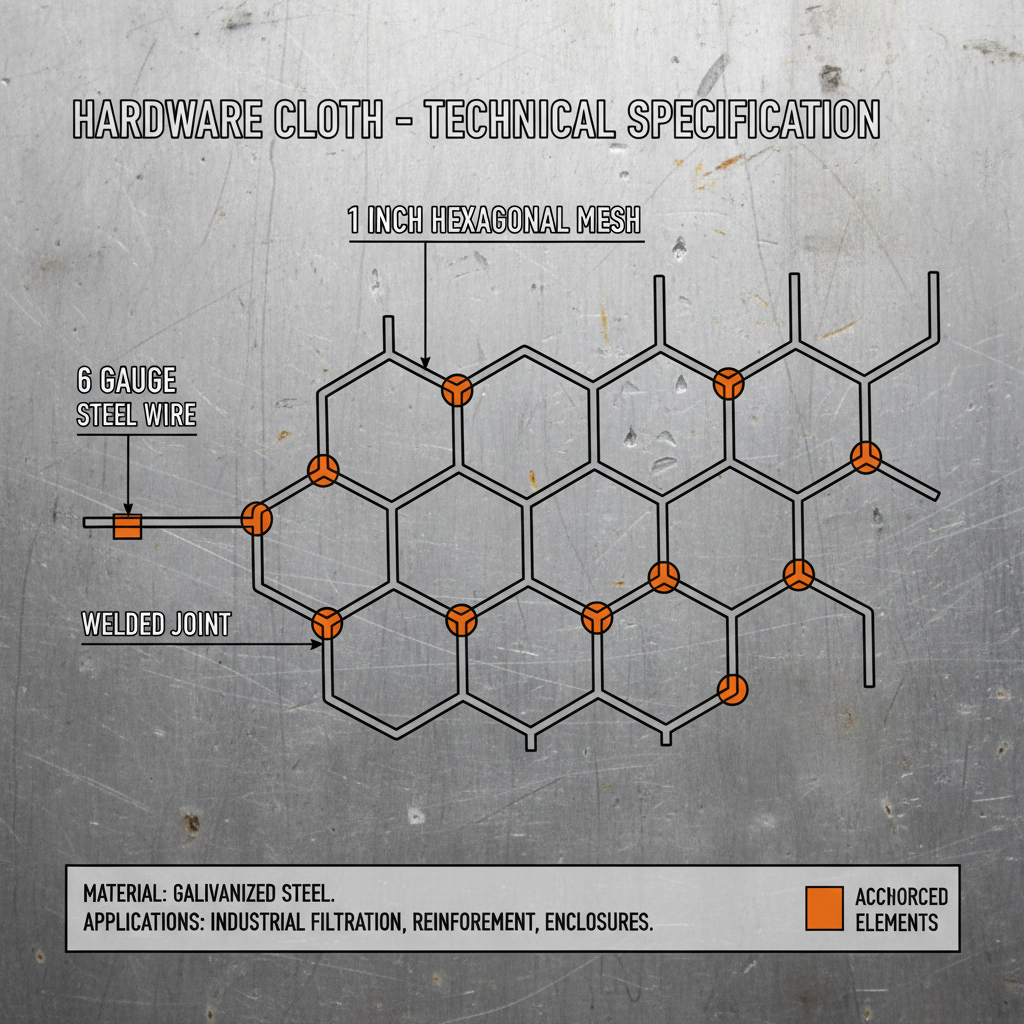
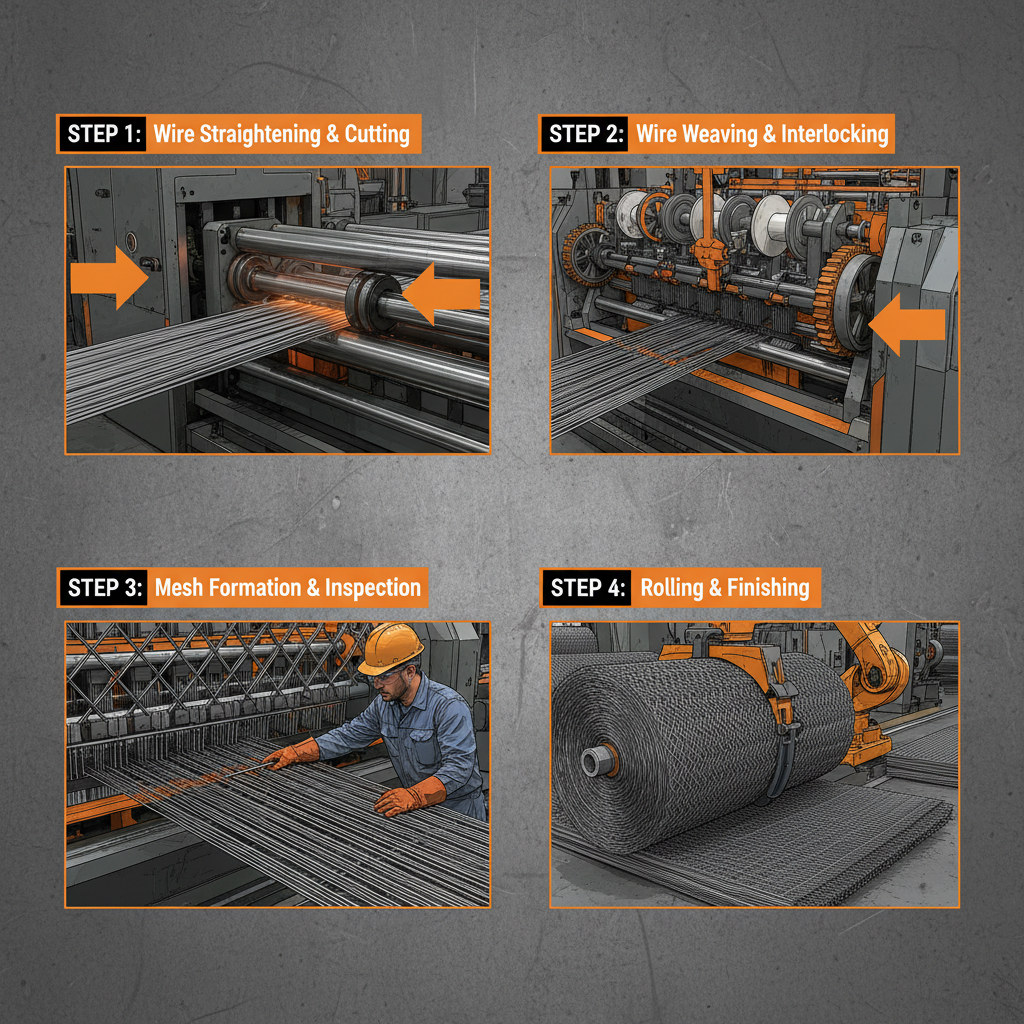
At its core, Wire Mesh For Plants is a practical framework made from interwoven steel or metal wires designed to support and protect plants in various industries—from greenhouses to outdoor farms. The mesh acts as a scaffold, guiding growth while defending delicate crops against pests or mechanical damage. In real terms, think of it as the backbone for vines climbing upwards or for securing root systems, without compromising airflow or sunlight.
- Constructed from galvanized or stainless steel to ensure corrosion resistance.
- Common mesh openings range from 10mm to 50mm, adaptable by application.
- Case study: A commercial vineyard using wire mesh improved grape yield by 15% while reducing labor costs.
Benefits & Use Cases of Wire Mesh For Plants
It turns out wire mesh isn’t just a piece of metal—it’s a versatile tool that elevates plant cultivation and landscaping projects alike. Industries such as agriculture, horticulture, and nursery operations increasingly rely on wire mesh to support climbing plants, trellising systems, and containment of sprawling root networks. Oddly enough, many engineers note that the mesh's open design balances strength and breathability, which helps prevent fungal growth and other plant diseases caused by poor air circulation.
- Supports climbing crops like tomatoes, cucumbers, and beans, enhancing vertical farming.
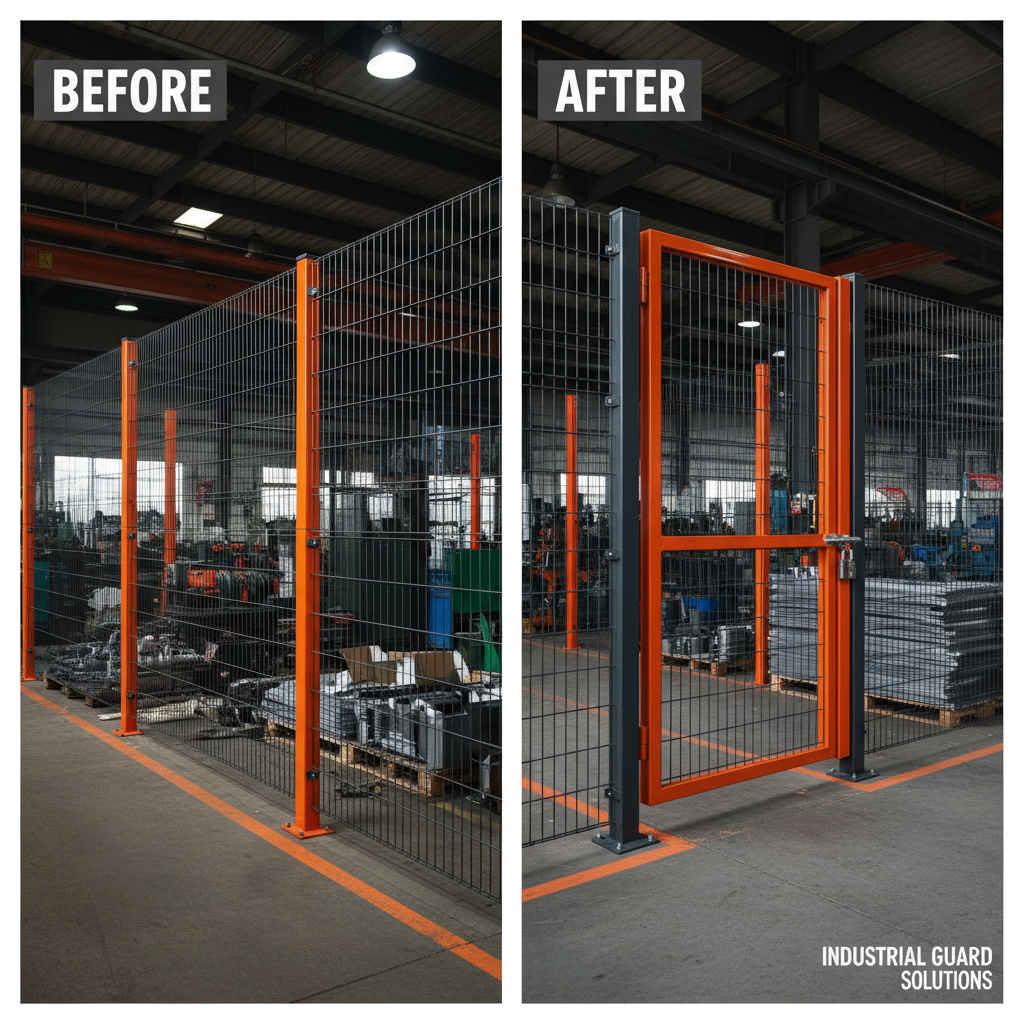
- Protects horticultural displays from wildlife without requiring bulky nets.
- Competitive edge: ease of customization, lightweight installation, and long service life.
| Specification | Details |
|---|---|
| Material | Galvanized Steel / Stainless Steel |
| Wire Diameter | 1.0 mm – 3.0 mm |
| Mesh Opening Size | 10 mm – 50 mm |
| Coating Options | PVC Coating, Electro-Galvanizing |
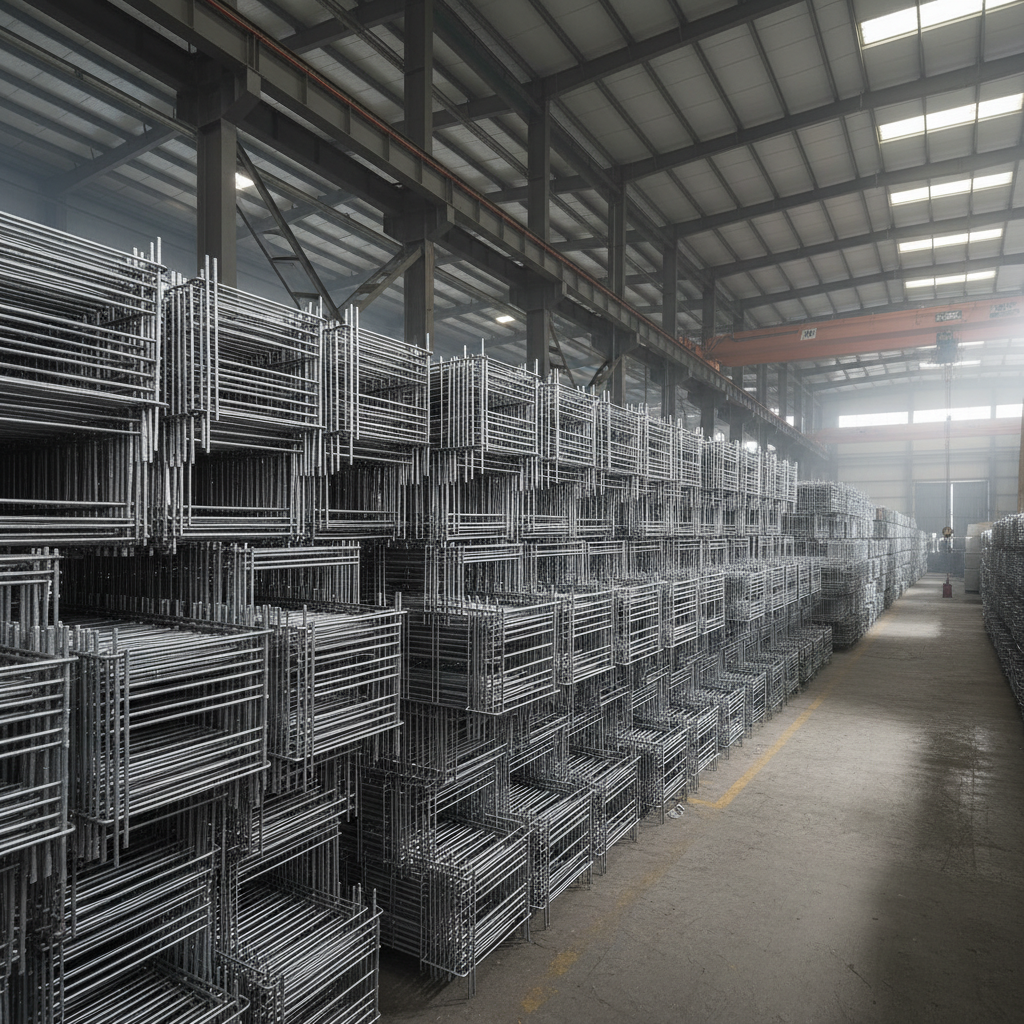
| Standard Roll Size | 1.2m x 50m / Customized Lengths |
Cost, Maintenance & User Experience
Now, when it comes to cost, many B2B buyers wonder if investing in wire mesh truly pays off. Frankly, while the upfront expense might be higher than some plastic-based plant supports, the long-term value is clear. Its durability reduces replacement frequency, while requiring minimal maintenance — just occasional cleaning and checks for damage. Companies often mention the mesh’s ROI in terms of reduced labor and higher crop yields, which translates to tangible profit gains.
- Longevity: corrosion-resistant mesh can last 10+ years outdoors.
- Customer feedback reveals satisfaction with installation ease and robust support.
- Lower total cost of ownership compared to wooden or plastic alternatives.
Sustainability & Market Trends
Sustainability is no longer just a buzzword. In this arena, wire mesh for plants proves surprisingly green, especially when made with recyclable metals and coated with environmentally friendly materials. Regulatory pressures in many regions enforce standards that favor durable, reusable agricultural equipment. Oddly enough, manufacturers like those behind Wire Mesh For Plants innovate by offering PVC-free coating options and ensuring product designs reduce waste during installation.
- Growing industry demand linked to vertical farming and urban agriculture.
- Compliance with international environmental standards like ISO 14001.
- Rising adoption in emerging markets focused on sustainable farming solutions.
| Vendor | Material Quality | Customization | Lead Time | Price Range |
|---|---|---|---|---|
| Lanyewiremesh | Premium stainless & galvanized steel | Highly customizable mesh sizes & coatings | 2-4 weeks | Mid-range |
| Competitor A | Standard galvanized steel | Limited sizes and coatings | 3-6 weeks | Lower |
| Competitor B | Plastic-coated wire mesh | Few options | 1-3 weeks | Cheapest |
Frequently Asked Questions about Wire Mesh For Plants
- What is Wire Mesh For Plants and how does it work?
- Wire Mesh For Plants is a metal grid framework designed to support and protect plants, allowing them to grow upwards or remain contained. It works by providing structural support that’s strong yet breathable, promoting healthy growth and defending against mechanical stress or pests.
- What are the main benefits of using Wire Mesh For Plants in industrial applications?
- Benefits include increased crop yield, longer product life, low maintenance, cost-effectiveness, and adaptability to diverse environments. Wire mesh supports plants better than plastic or wooden alternatives and withstands harsh weather and pests.
- How does Wire Mesh For Plants compare to traditional alternatives?
- Compared to wood or plastic supports, wire mesh offers superior durability, flexibility in sizing, and better plant health outcomes due to its breathable design. It’s more recyclable and typically requires fewer replacements, making it a sustainable choice.
- What industries can benefit most from Wire Mesh For Plants implementation?
- Agriculture, horticulture, nursery operations, landscaping, and even vertical farming facilities all stand to gain from using wire mesh for efficient, durable, and sustainable plant support solutions.
Conclusion on Wire Mesh For Plants from china
Summing up, wire mesh for plants offers a robust, adaptable, and sustainable support system that savvy businesses rely on to optimize plant growth and reduce operational headaches. Its durability paired with customizable specifications makes it a top choice for growers and landscapers alike. For those interested in sourcing premium products, you’re invited to visit our website: https://www.lanyewiremesh.com and explore what's possible.
- Recap of Wire Mesh For Plants advantages and applications.
- Encouragement to consider this solution for future projects.
Reflecting on the growing importance of sustainable agricultural practices, wire mesh for plants feels like a quiet hero in the background—simple yet profoundly impactful. As industries push for efficiency without compromising environmental footprints, solutions like these will no doubt shape the future of managed plant growth.
References:
1. Industry reports on agricultural supports, 2023.
2. Lanyewiremesh product and case studies, 2024.
3. Sustainability standards for agricultural materials, ISO publications.