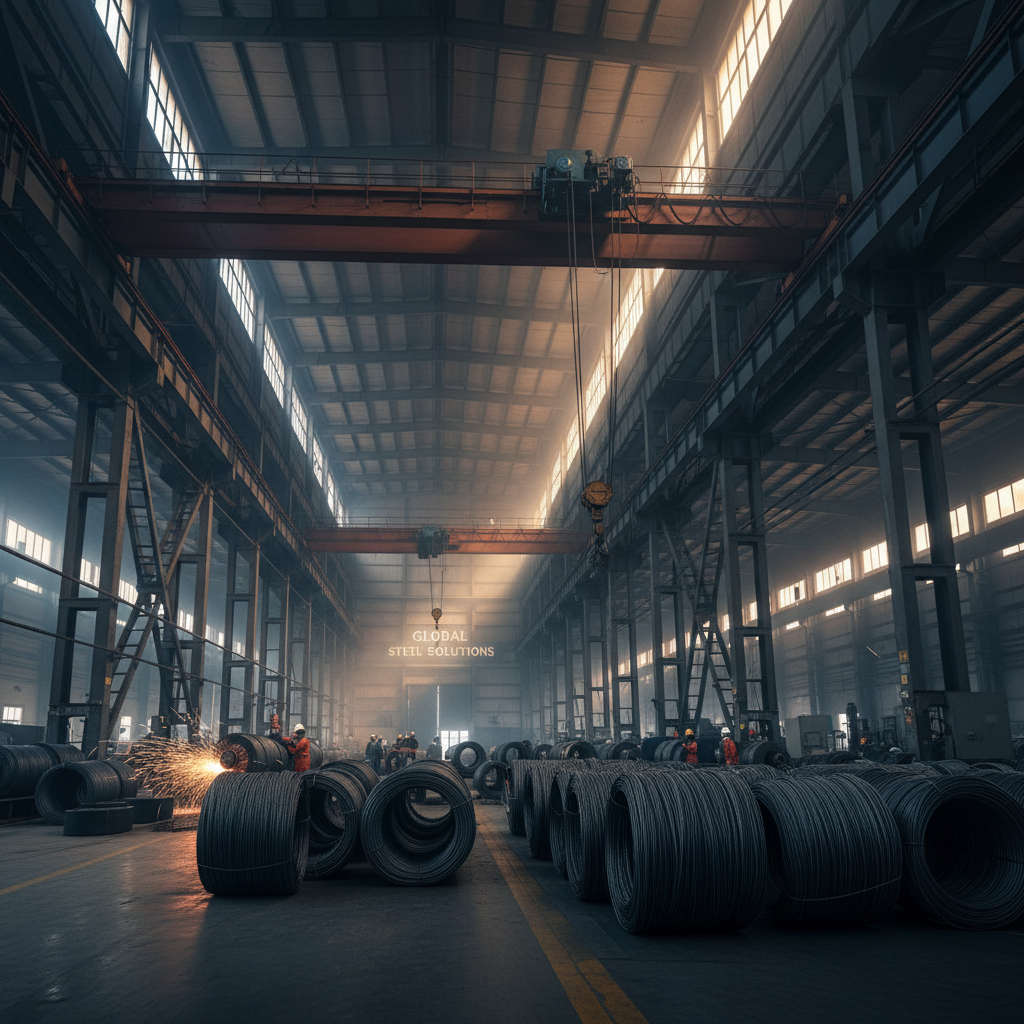
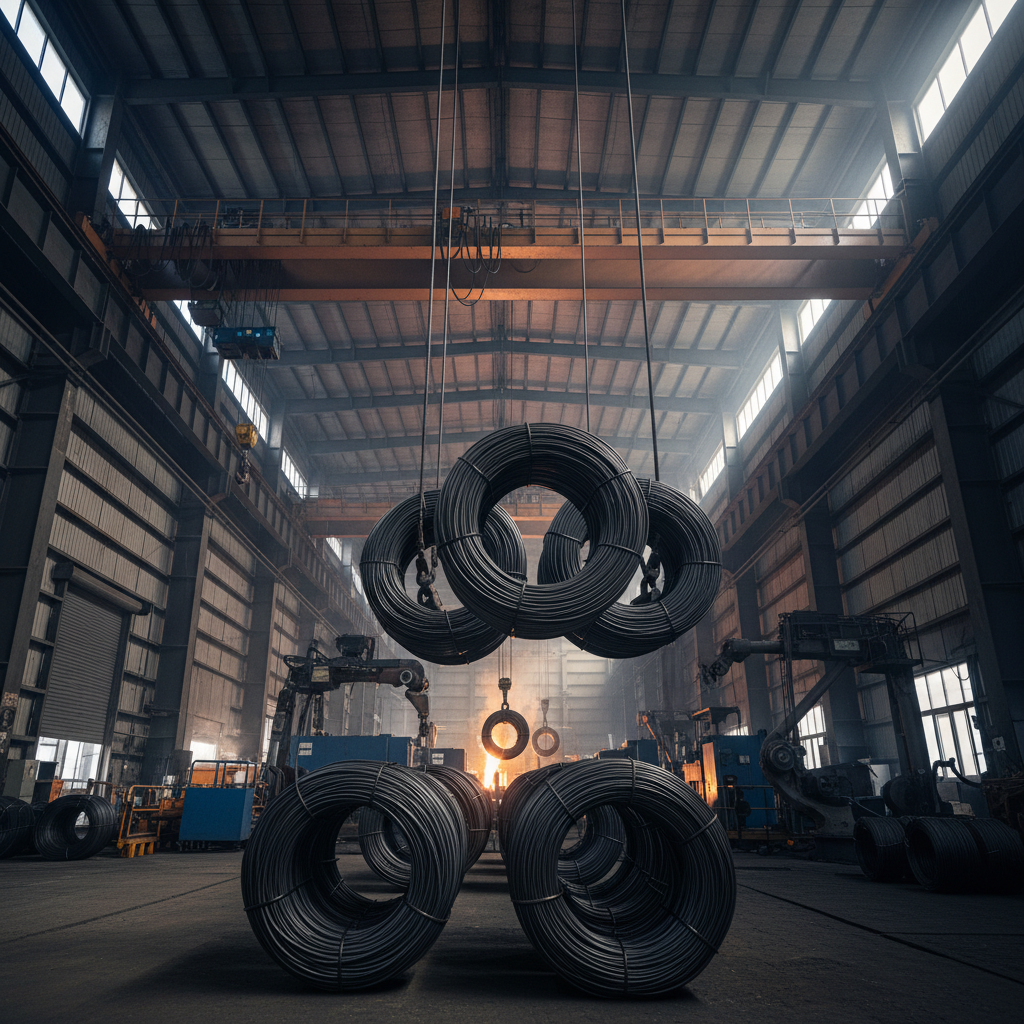
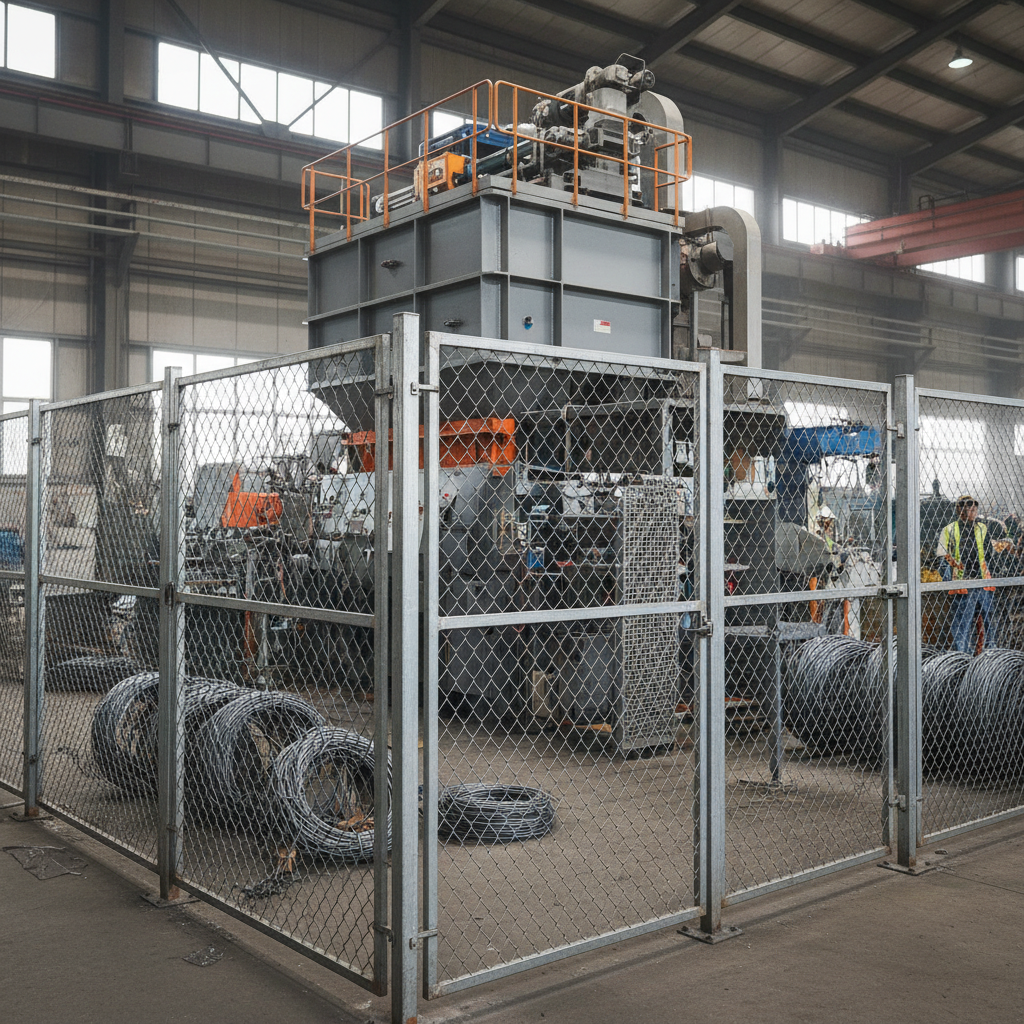
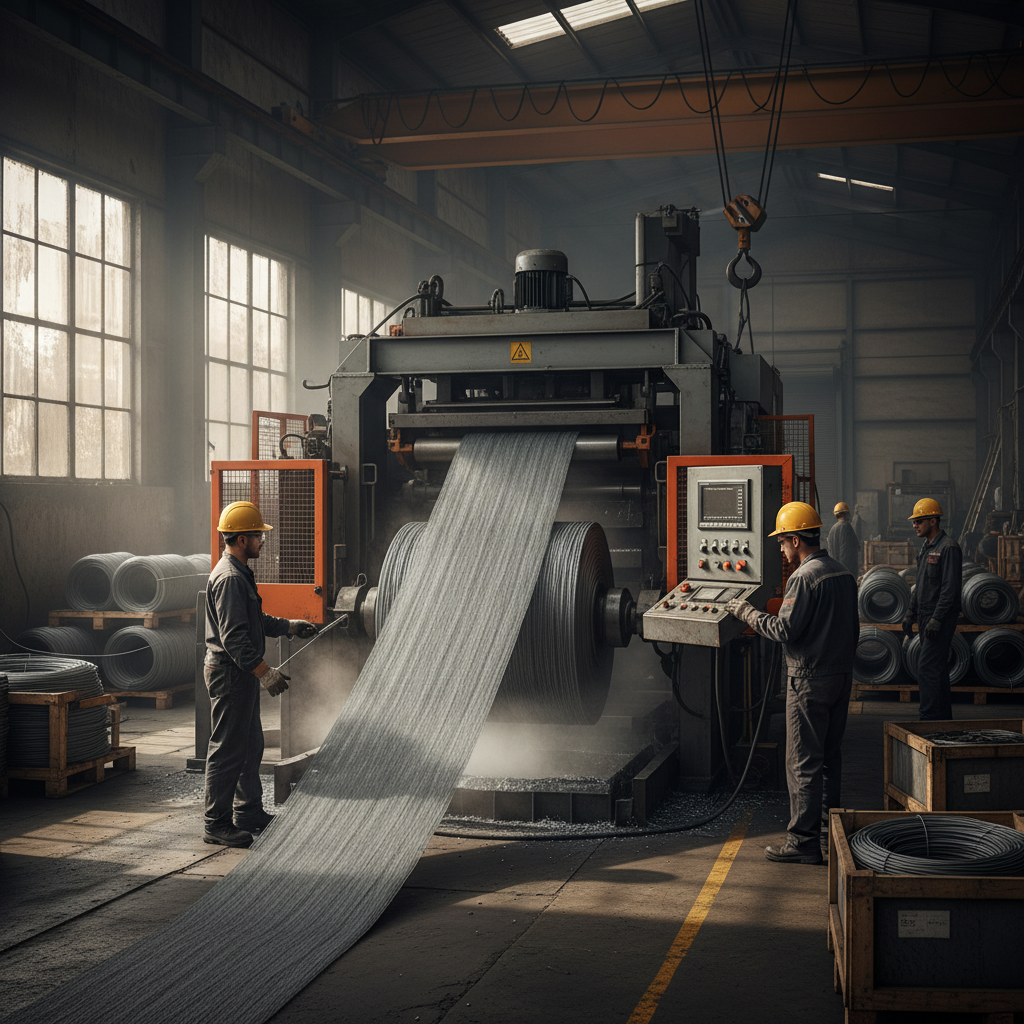
Black annealed wire, a versatile and essential material, plays a crucial role in a surprisingly wide range of industries and applications globally. Its inherent malleability, stemming from the annealing process, makes it ideal for shaping and forming into diverse products, from fencing and construction materials to specialized components in manufacturing and agriculture. Understanding its properties and applications is paramount for professionals across numerous sectors, driving innovation and efficiency.
The global demand for black annealed wire is consistently high, fueled by infrastructural development in emerging economies and the continuing need for reliable materials in established markets. Recent statistics from the World Steel Association demonstrate a steady increase in wire production, with annealed wire comprising a significant portion of that output. However, challenges related to sustainable sourcing and production processes are becoming increasingly important, driving a demand for more eco-friendly manufacturing methods.
This essential material underpins essential infrastructure, supporting industries from agriculture to construction. The relative affordability and ease of manipulation of black annealed wire make it a foundational component in many economies, contributing significantly to both development and daily life.
Introduction to Black Annealed Wire
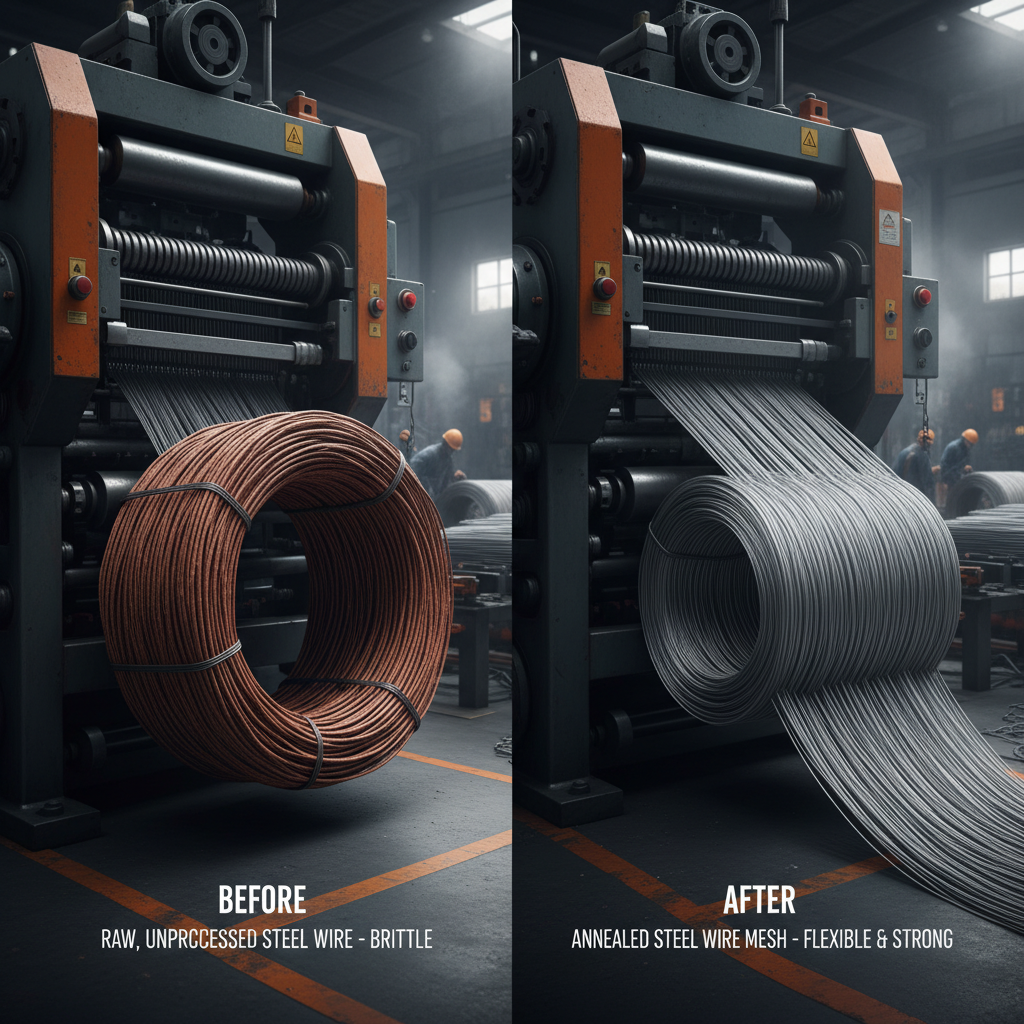
Black annealed wire stands out for its increased ductility – a critical property achieved through the annealing process, which involves heating the wire and then slowly cooling it. This renders the wire softer and more pliable, ideal for applications where bending and forming are essential. The "black" finish is a result of the oxidation that occurs during the annealing process, giving it a distinctive appearance and a slight surface scale.
The manufacturing process of black annealed wire often begins with carbon steel, selected for its strength and cost-effectiveness. This steel is then drawn through a series of dies to reduce its diameter, followed by the annealing treatment. Stringent quality control measures are implemented throughout the process to ensure consistent mechanical properties and adherence to industry standards.
Defining Black Annealed Wire
Black annealed wire is essentially a soft, ductile wire produced from low-carbon steel that has undergone an annealing process. This process removes internal stresses introduced during prior processing, making the wire easy to bend and manipulate without breaking. It’s primarily characterized by its dark, oxidized surface, providing a degree of corrosion resistance, though often further coatings are applied for increased durability.
In modern industry, black annealed wire serves as a fundamental building block for a multitude of finished products. From tying materials in construction to components in various manufacturing processes, its versatility is unmatched. It’s also crucial in applications demanding easy formability, like crafting wire baskets or creating supports for agricultural crops.
Humanitarian efforts frequently rely on this material. Its cost-effectiveness and ease of use make it ideal for building temporary shelters, creating secure fencing in refugee camps, and forming essential infrastructure elements in disaster relief zones.
Core Characteristics of Black Annealed Wire
The defining characteristic of black annealed wire is its exceptional malleability. This makes it significantly easier to bend, twist, and shape into complex forms without fracturing. Unlike harder wire types, annealed wire requires less force to manipulate, reducing manufacturing time and costs.
Corrosion resistance, while not absolute, is another key benefit. The oxidized surface layer offers some protection against environmental factors, extending the wire’s lifespan in certain applications. However, for prolonged exposure to harsh conditions, supplemental coatings – such as galvanization or PVC coating – are often employed.
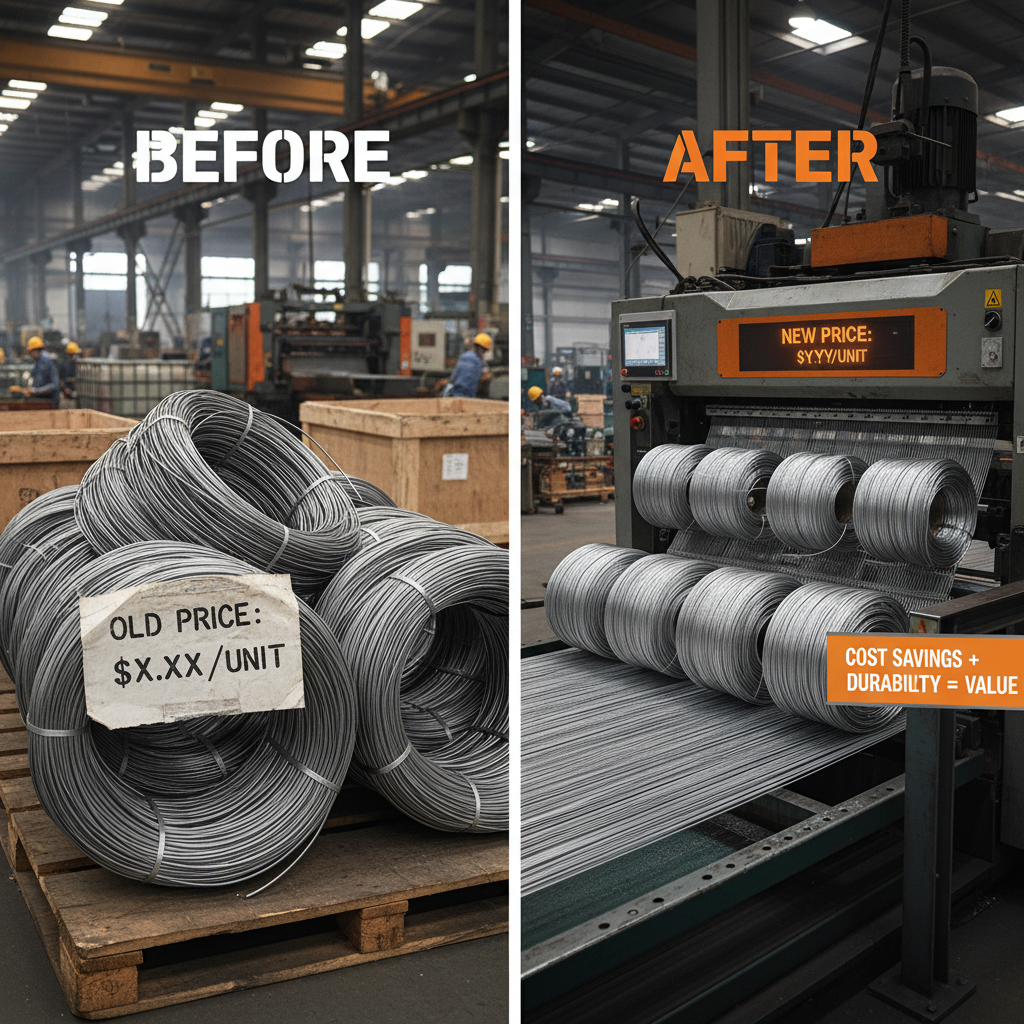
Cost-effectiveness is a major advantage. Black annealed wire is generally less expensive than other specialized wire types, making it an attractive option for large-scale projects where budget constraints are a concern. This affordability doesn’t compromise its functionality, offering a reliable solution for a broad spectrum of applications.
Practical Applications Across Industries
The construction industry represents a significant consumer of black annealed wire. It's widely used for tying rebar in concrete structures, securing formwork, and creating wire mesh for plastering. Its malleability allows for secure and adaptable connections, contributing to the structural integrity of buildings and infrastructure.
In agriculture, black annealed wire is essential for creating trellises for vine crops, supporting plants, and constructing fences to protect livestock. Its ease of shaping and low cost make it a practical and efficient solution for farmers needing to build robust and reliable structures.
Comparative Application Ratings of Black Annealed Wire
Global Use Cases and Regional Demand
In post-disaster relief operations, black annealed wire proves invaluable. It is quickly deployed for building temporary shelters, creating makeshift fences to secure affected areas, and constructing essential infrastructure repairs. Its portability and ease of use make it ideal for rapid response scenarios.
Developing regions in Africa and Asia exhibit high demand for black annealed wire due to extensive construction projects and agricultural development. These areas prioritize cost-effective materials and solutions, making black annealed wire a preferred choice for fencing, building reinforcement, and various other applications.
Within remote industrial zones, its use is common for securing materials, creating internal support structures, and for basic maintenance tasks. Its versatility renders it a staple material for sites where specialized, higher-cost alternatives are impractical or unavailable.
Advantages and Long-Term Value Proposition
The primary advantage of utilizing black annealed wire lies in its cost-effectiveness. It’s considerably less expensive than stainless steel or other specialized wire types, making it a financially viable option for projects with tight budgets. This cost benefit doesn’t necessarily equate to reduced quality; the wire offers sufficient strength and durability for many applications.
Sustainability is increasingly a consideration. While steel production itself has environmental implications, the longevity and reusability of black annealed wire can contribute to a reduced overall environmental footprint compared to materials with shorter lifespans. Furthermore, the recyclability of steel ensures that the material can be repurposed at the end of its service life.
The reliability and consistent performance of black annealed wire fosters trust among users. Its predictable behavior and ease of handling contribute to safer working conditions and reduced project delays. This reliability is a cornerstone of its long-term value proposition, encouraging continued use across diverse industries.
Future Trends and Innovations in Wire Technology
Ongoing research is exploring the integration of nanotechnology into wire production to enhance corrosion resistance and mechanical properties. Surface treatments utilizing nano-coatings could significantly extend the lifespan of black annealed wire, reducing the need for frequent replacements and lowering long-term costs.
Automation is playing a greater role in wire manufacturing. Automated drawing, annealing, and coating processes improve efficiency, reduce labor costs, and enhance quality control. This trend is expected to accelerate as manufacturers seek to optimize production and remain competitive.
The drive for sustainability is prompting the development of more eco-friendly steel production methods. Utilizing renewable energy sources and reducing carbon emissions during steel manufacturing will be crucial for minimizing the environmental impact of black annealed wire production in the future.
Summary of Future Challenges and Potential Solutions for Black Annealed Wire
| Challenge Area |
Current Limitations |
Potential Solutions |
Implementation Difficulty (1-10) |
| Corrosion Resistance |
Limited protection in harsh environments. |
Nano-coatings, Galvanization, PVC coating. |
6 |
| Sustainable Production |
High carbon footprint of steel production. |
Renewable energy sources, carbon capture technology. |
8 |
| Production Efficiency |
Labor-intensive processes. |
Increased automation, optimized process control. |
5 |
| Material Consistency |
Variations in material properties. |
Advanced quality control systems, precise annealing parameters. |
4 |
| Cost Fluctuation |
Dependence on steel prices. |
Diversification of material sources, long-term contracts. |
7 |
| Recycling Infrastructure |
Insufficient recycling programs. |
Investment in recycling facilities, public awareness campaigns. |
6 |
FAQS
Black annealed wire is extensively utilized in construction for tying rebar during concrete pouring, providing structural support and integrity. It's also employed for securing formwork and creating wire mesh, which reinforces plaster and cement applications. Its malleability allows for adaptable connections crucial for building projects.
The annealing process significantly increases the ductility of the wire, making it considerably more flexible and easier to bend without fracturing. It also relieves internal stresses introduced during manufacturing, resulting in a softer, more workable material. While annealing reduces tensile strength slightly, it enhances its formability, which is crucial for many applications.
While the oxidized surface provides some initial corrosion resistance, black annealed wire is best suited for indoor or protected outdoor applications. For prolonged exposure to harsh weather, supplemental coatings like galvanization or PVC are recommended. These coatings offer significantly improved protection against rust and corrosion, extending the wire's lifespan.
The tensile strength of black annealed wire typically falls within the range of 350-500 MPa (Megapascals), depending on the wire gauge and steel composition. This range provides sufficient strength for most tying and support applications, while maintaining the necessary flexibility for easy manipulation. Detailed specifications are usually available from the manufacturer.
Steel, the base material of black annealed wire, is highly recyclable, making it a relatively environmentally responsible choice. While the production of steel does have an environmental impact, the recyclability minimizes waste and conserves resources. Look for suppliers committed to sustainable manufacturing practices.
The primary difference lies in corrosion protection. Galvanized wire is coated with a layer of zinc, providing superior resistance to rust and corrosion, making it ideal for harsh outdoor environments. Black annealed wire has limited corrosion resistance and is generally less expensive, suited for indoor or protected applications. Galvanization adds to the cost but significantly extends the wire's lifespan outdoors.
Conclusion
In conclusion, black annealed wire remains a remarkably versatile and essential material across a wide range of industries, from construction and agriculture to disaster relief and manufacturing. Its unique combination of malleability, affordability, and relative ease of use continues to make it a preferred choice for countless applications. Understanding its properties and limitations is critical for maximizing its value and ensuring its appropriate implementation.
Looking ahead, innovation in materials science and manufacturing processes will continue to enhance the performance and sustainability of black annealed wire. Increased automation, environmentally conscious production methods, and the exploration of new coatings will contribute to its long-term viability and expand its applications. For more information on our wide range of wire products, including black annealed wire, visit our website today!