White annealed wire, a fundamental material in countless industries, plays a critical role in modern infrastructure, manufacturing, and even humanitarian aid. Its malleability, combined with its strength, makes it an ideal component for everything from fencing and reinforcement to intricate springs and electrical components. Understanding the properties and applications of white annealed wire is crucial for engineers, manufacturers, and anyone involved in projects requiring a reliable and adaptable metallic material.
Globally, the demand for white annealed wire is consistently high, driven by economic growth in developing nations and ongoing infrastructure projects worldwide. According to recent data from the World Steel Association, global steel production (a key indicator for wire demand) continues to rise, albeit with regional variations. This demand is fuelled by sectors like construction, automotive, and agriculture.
However, sourcing sustainable and ethically produced white annealed wire is becoming increasingly important. Concerns over environmental impact and responsible sourcing practices are pushing industries to prioritize suppliers committed to minimizing their carbon footprint and adhering to fair labor standards. This shift is shaping the future of the white annealed wire market, demanding greater transparency and accountability throughout the supply chain.
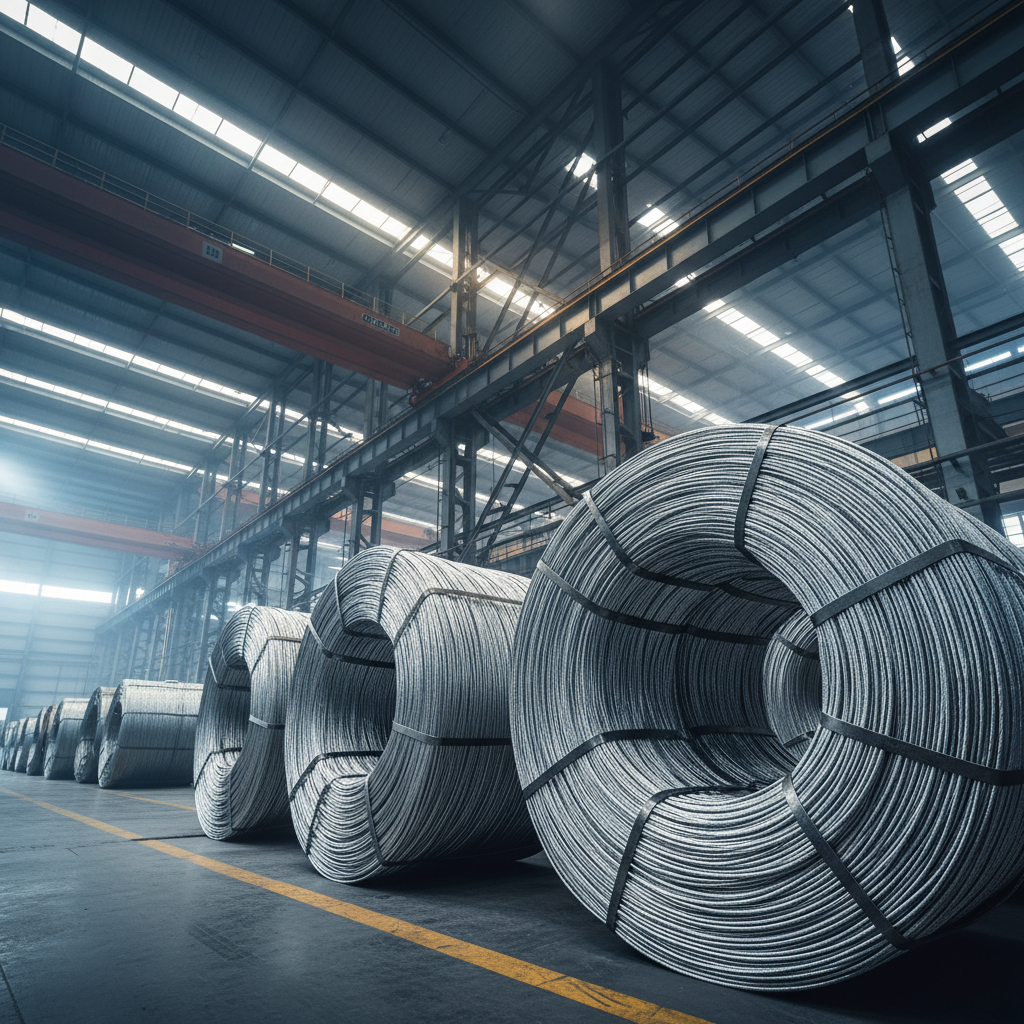
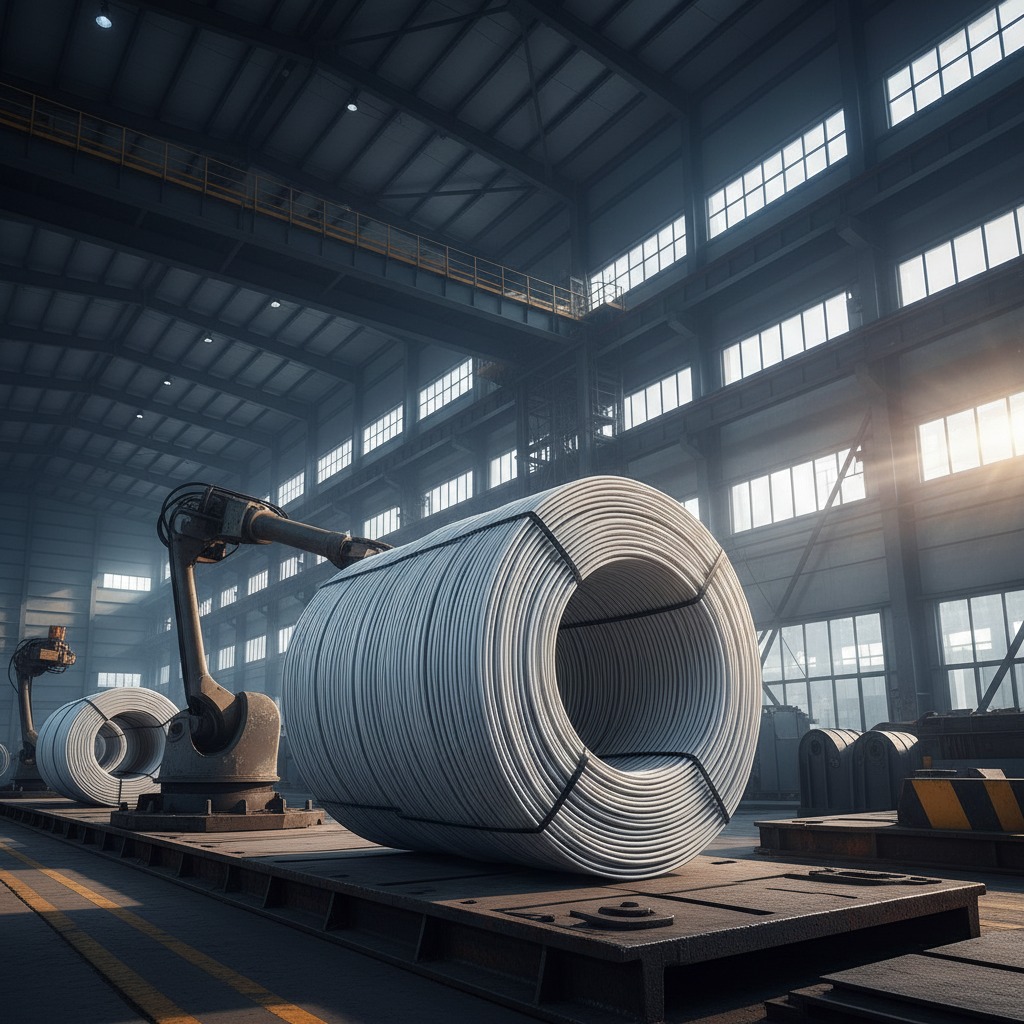
White annealed wire is produced through a process of heating steel wire to a specific temperature and then slowly cooling it. This process, known as annealing, removes internal stresses within the wire, resulting in increased ductility and malleability. This makes the wire easier to form, bend, and weld, crucial characteristics for a wide range of applications.
The “white” in white annealed wire refers to the scale that forms on the surface during the annealing process. This scale is typically removed through pickling, leaving a clean, bright finish. The resulting wire is highly versatile and forms the basis for many finished products, highlighting its fundamental importance within numerous industrial sectors.
The versatility of white annealed wire stems from a specific set of properties. Firstly, its high ductility allows for easy bending and shaping, essential for creating intricate designs in applications such as wire baskets and mesh. Secondly, its excellent weldability ensures strong and reliable joints, vital in construction and fabrication.
Furthermore, its relatively low cost makes it an economically attractive material, especially for large-scale projects. The low carbon content also contributes to its good corrosion resistance, although additional coatings may be required for harsh environments.
The applications of white annealed wire are incredibly diverse. In agriculture, it’s used for creating fencing to protect crops and livestock, and for constructing trellises for climbing plants. The construction industry relies on it for reinforcing concrete, creating mesh for plastering, and binding materials together.
Manufacturers use white annealed wire to produce springs, fasteners, and a wide range of components for various industries, including automotive, electronics, and aerospace. In post-disaster relief operations, it can be rapidly deployed for creating temporary shelters and securing damaged structures.
Choosing white annealed wire offers significant advantages. Its cost-effectiveness makes it a practical solution for projects of any scale. Its malleability reduces manufacturing time and costs, as it can be easily formed into complex shapes. The material’s inherent durability ensures long-term performance, minimizing the need for frequent replacements.
Beyond the economic benefits, utilizing white annealed wire contributes to project sustainability. It is a fully recyclable material, reducing waste and minimizing environmental impact. Furthermore, its reliability ensures safety and stability in critical applications, building trust and confidence in the finished products.
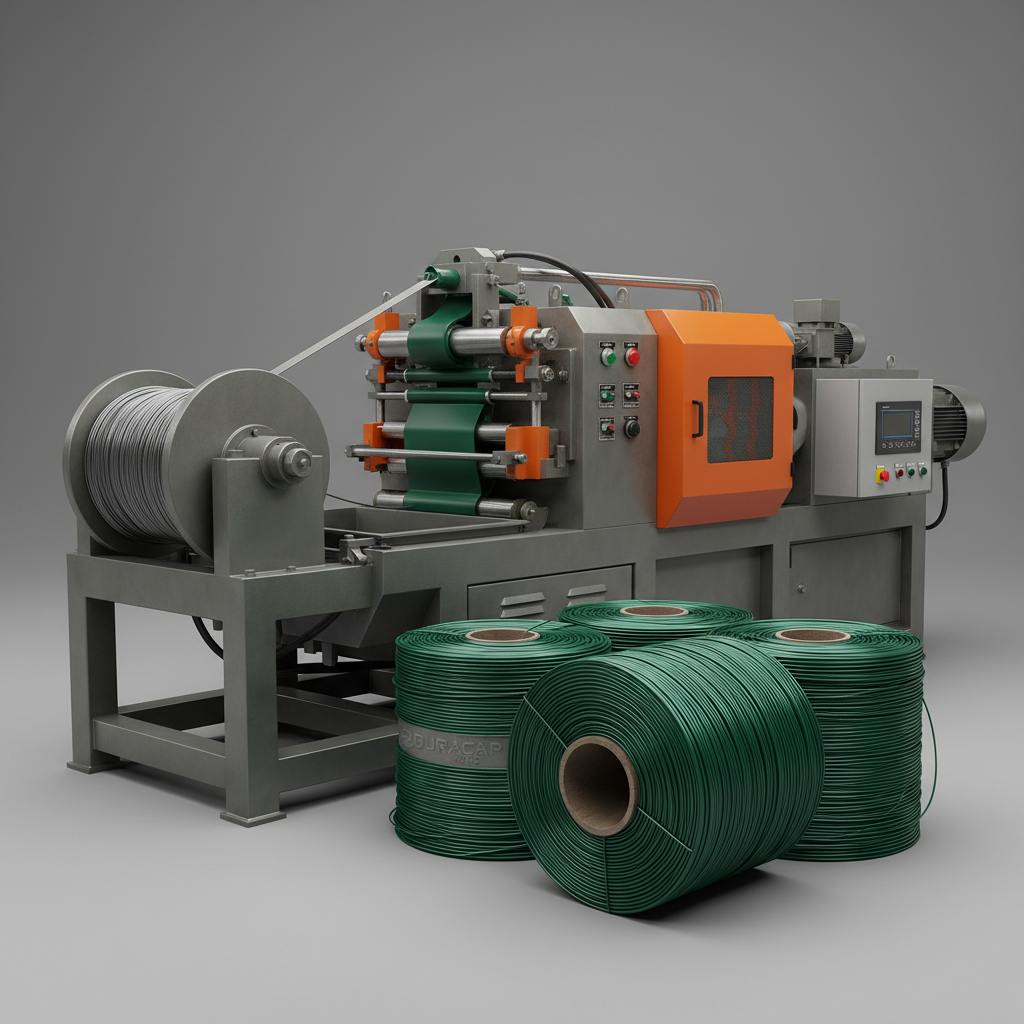
The future of white annealed wire is being shaped by several key trends. Research into new alloying techniques is aiming to enhance the wire’s strength and corrosion resistance while maintaining its ductility. Automation and robotics are streamlining manufacturing processes, increasing efficiency and reducing production costs.
The integration of digital technologies, such as sensor-embedded wire for structural health monitoring, is opening up exciting new possibilities. Moreover, the growing focus on circular economy principles is driving demand for recycled white annealed wire and sustainable manufacturing practices.
These advancements will not only improve the performance and cost-effectiveness of white annealed wire but also contribute to a more sustainable and resilient future for the industries that rely on it.
| Production Method | Cost Efficiency (1-10) | Product Quality (1-10) | Environmental Impact (1-10) |
|---|---|---|---|
| Batch Annealing | 7 | 8 | 6 |
| Continuous Annealing | 9 | 9 | 5 |
| Protective Atmosphere Annealing | 8 | 10 | 4 |
| Vacuum Annealing | 5 | 10 | 3 |
| Salt Bath Annealing | 6 | 7 | 7 |
| Recrystallization Annealing | 7 | 8 | 6 |
White annealed wire finds extensive use in construction for reinforcing concrete, creating mesh for plastering, binding materials together, and manufacturing fences. Its ductility allows it to be easily bent and shaped, while its weldability ensures strong connections. It's crucial for structural integrity and long-term durability in various building projects.
The annealing process involves heating the steel wire to a specific temperature and then slowly cooling it. This removes internal stresses, increasing the wire’s ductility and malleability. While reducing tensile strength compared to hardened wire, it significantly improves formability and weldability, making it ideal for applications requiring bending and shaping.
White annealed wire offers a balance of properties—ductility, weldability, and cost-effectiveness—that makes it suitable for a wide range of applications. Compared to harder wires, it's easier to form, reducing manufacturing costs. Its recyclability also contributes to sustainability efforts. Its lower carbon content allows for better welding properties.
While white annealed wire has relatively good corrosion resistance due to its low carbon content, it can still rust in harsh environments. Protection methods include galvanizing (coating with zinc), applying protective coatings (paint, epoxy), or using stainless steel wire in highly corrosive applications. Regular maintenance and inspection are also important.
Quality assessment involves several tests, including tensile strength testing, ductility testing (bend tests), diameter measurement, and surface inspection for defects. Chemical composition analysis is also performed to ensure it meets specified standards. These tests guarantee consistent properties and reliable performance.
Sustainability trends include increased use of recycled materials, the adoption of more energy-efficient manufacturing processes, and a focus on reducing waste. Manufacturers are also exploring alternative coatings that are less harmful to the environment. Life cycle assessments are being utilized to evaluate the environmental impact of the entire production chain.
In conclusion, white annealed wire remains a foundational material across a multitude of industries, offering a unique combination of ductility, weldability, and cost-effectiveness. Its versatility ensures its continued relevance in construction, manufacturing, agriculture, and even disaster relief efforts. Understanding its properties and applications is vital for professionals seeking reliable and adaptable metallic solutions.
Looking ahead, innovation in production techniques, coupled with a growing emphasis on sustainability, will drive further advancements in the white annealed wire sector. Prioritizing responsible sourcing, utilizing recycled materials, and embracing energy-efficient processes will not only minimize environmental impact but also ensure the long-term viability and resilience of this essential material. Visit our website at www.lanyewiremesh.com to learn more.

Contact Us Now. 100% Customer Satisfaction Guaranteed
Newsletter