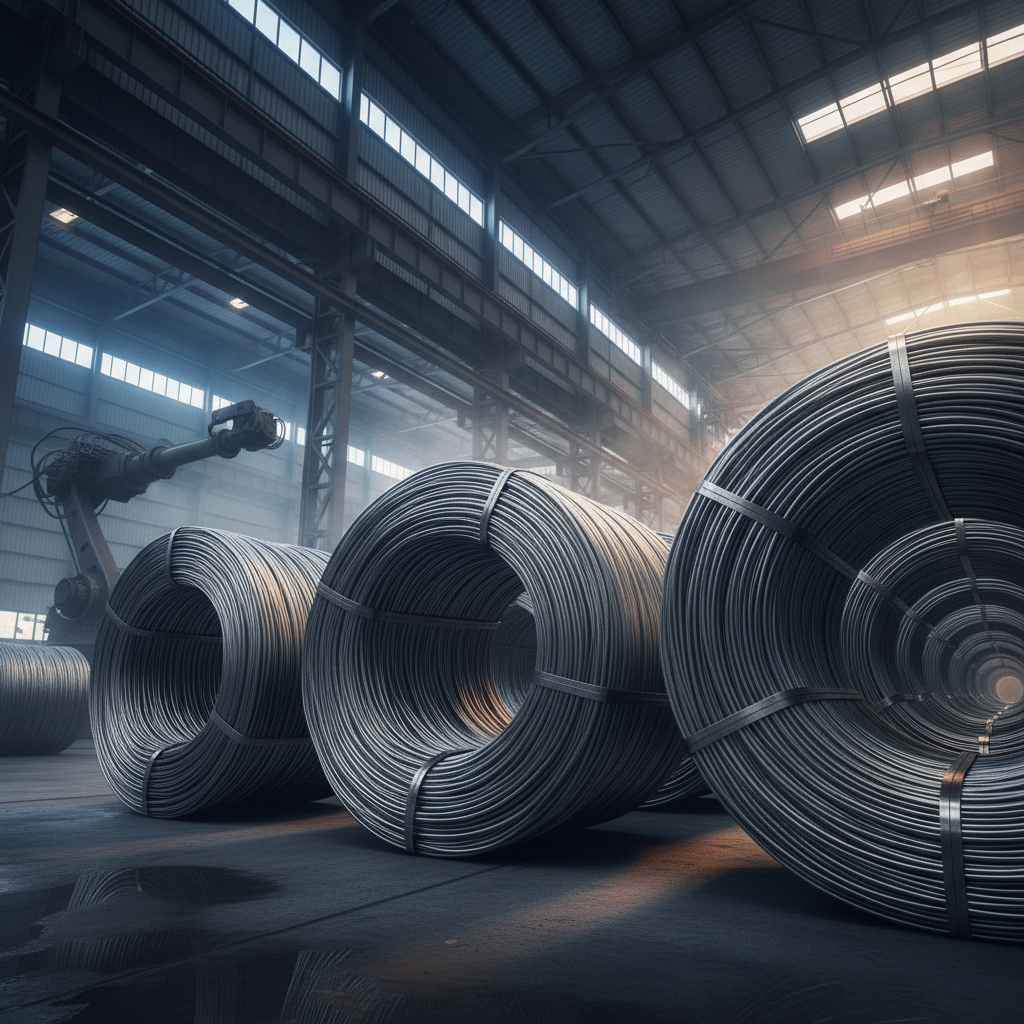
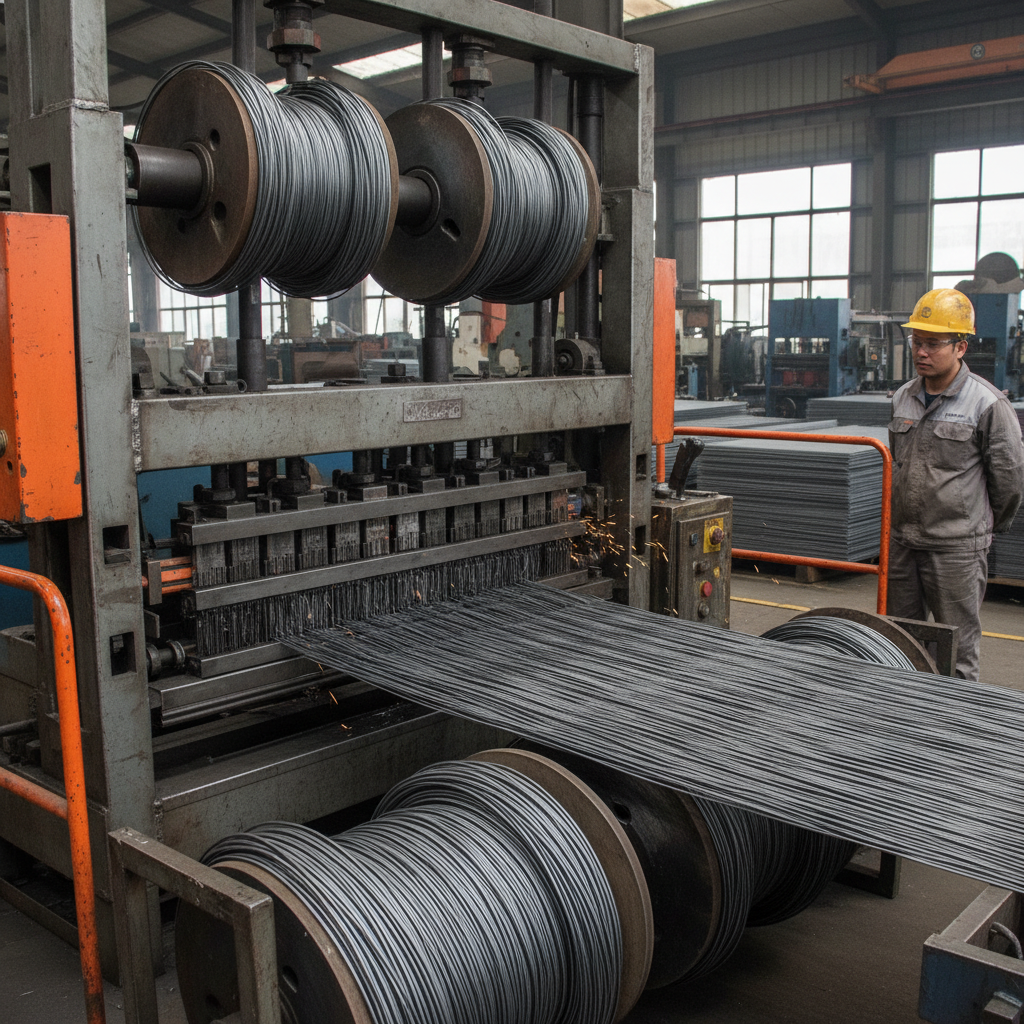
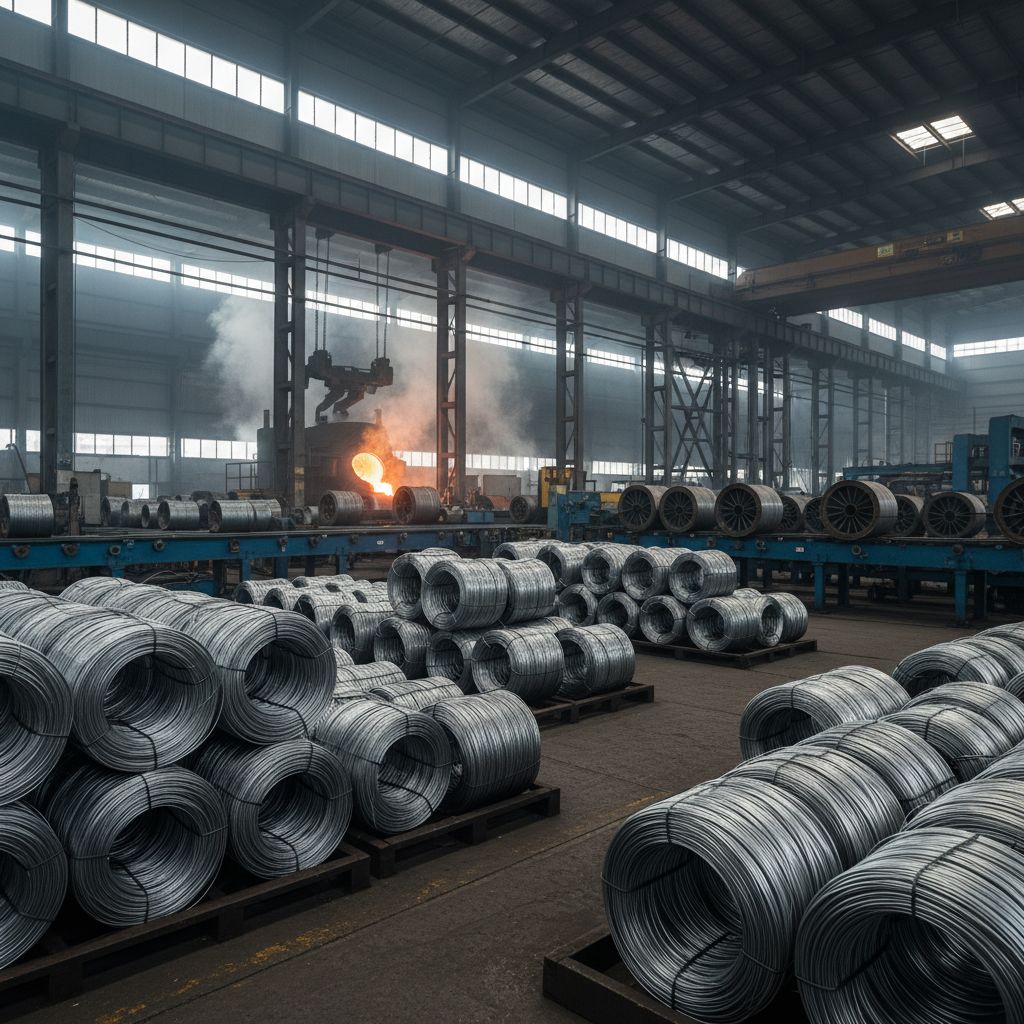
Bailing wire, seemingly a simple material, plays a surprisingly vital role in a multitude of applications globally. From agriculture and construction to disaster relief and creative arts, its versatility and affordability make it indispensable in diverse scenarios. Understanding the properties and applications of bailing wire is crucial for professionals across various industries, as well as for humanitarian organizations responding to emergencies. Its inherent strength and malleability contribute to its widespread utility.
The global demand for bailing wire is steadily increasing, driven by factors like population growth, urbanization, and a rising need for efficient resource management. While often overlooked, its impact on supply chains, agricultural practices, and infrastructure development is substantial. The United Nations, through its various agencies, frequently utilizes bailing wire in emergency response kits, highlighting its importance in providing immediate solutions in crisis situations. The affordability of bailing wire makes it particularly valuable in developing nations where cost-effectiveness is paramount.
However, the production and disposal of bailing wire also present challenges regarding sustainability. Ongoing research and innovation focus on developing more eco-friendly alternatives and recycling processes to minimize its environmental footprint, ensuring its continued relevance in a world increasingly focused on responsible resource utilization.
The Significance of Bailing Wire
The significance of bailing wire extends far beyond its simple appearance. It’s a testament to effective engineering – a material optimized for strength, flexibility, and cost-effectiveness. This combination makes it essential in numerous industrial and agricultural processes. It’s often the unsung hero in securing loads, providing temporary repairs, and creating structures in situations where more elaborate solutions are impractical or unavailable.
The low cost of production also contributes to its importance, particularly in developing countries where resource constraints are significant. Bailing wire allows for efficient use of limited funds and provides viable solutions for various challenges. Its adaptability means it can be readily shaped and manipulated, making it ideal for on-the-spot repairs and customized solutions.
Defining Bailing Wire
Bailing wire is typically a low-carbon steel wire, known for its pliability and tensile strength. It’s traditionally used for bundling and securing hay bales, hence the name, but its applications have expanded dramatically. It's characterized by its relative ease of bending and twisting, which allows for quick and secure fastening without the need for specialized tools in many cases.
The material’s inherent properties make it ideally suited for temporary fixes and restraints. It doesn’t require welding or complex joining techniques, making it accessible for a wider range of users. While not intended for permanent structural applications, it provides reliable short-to-medium term support in numerous scenarios.
Today, bailing wire connects modern industry to humanitarian needs. Its quick deployment potential helps disaster response teams secure damaged structures, transport essential supplies, and establish temporary shelters. The fundamental characteristics that made it useful on farms decades ago remain highly relevant in addressing modern challenges.
Core Properties of Bailing Wire
Several core properties define the utility of bailing wire. First, its tensile strength allows it to withstand significant pulling forces without breaking, making it reliable for securing heavy loads. Second, its pliability enables easy bending and twisting, facilitating quick and adaptable fastening.
Third, corrosion resistance – particularly in galvanized varieties – enhances its lifespan and suitability for outdoor applications. While not entirely impervious to rust, galvanized bailing wire provides a considerable degree of protection against environmental degradation. Fourth, the cost-effectiveness of bailing wire makes it an attractive alternative to more expensive fastening solutions.
Finally, its weight-to-strength ratio is advantageous in situations where minimizing weight is critical, such as in portable construction or field repairs. This balance of properties makes bailing wire an incredibly versatile material in a wide array of applications.
Practical Applications and Versatility
The versatility of bailing wire is remarkable. In agriculture, it remains fundamental for bundling hay, securing fencing, and repairing farm equipment. In construction, it's used for temporary bracing, tying rebar, and securing building materials during transit. Its quick deployment makes it invaluable in emergency situations.
Beyond these traditional uses, bailing wire finds application in art and sculpture, where its malleability allows for the creation of unique forms and structures. It’s also used in packaging, securing shipments, and a variety of DIY projects. Its strength and flexibility contribute to its wide range of potential uses.
Bailing Wire Application Areas
Global Deployment and Industry Impact
Bailing wire’s impact is felt globally. In North America, it's a mainstay of agricultural operations, while in Southeast Asia, it’s crucial for securing construction sites. Disaster relief organizations consistently include bailing wire in their emergency kits for its rapid deployment and versatility in stabilization efforts.
The industrial sectors reliant on bailing wire span a broad range, from packaging and logistics to manufacturing and infrastructure. Its affordability allows small businesses and individual contractors to manage costs effectively, boosting economic activity in diverse regions. The consistent demand ensures a stable market for producers and suppliers.
Long-Term Value and Benefits
The long-term value of bailing wire lies in its reliability and cost-effectiveness. While it may not be a permanent solution for all applications, it provides a practical and affordable interim fix that can prevent further damage or loss. This contributes to increased safety and reduced downtime in various operations.
Moreover, its adaptability fosters innovation, encouraging resourceful problem-solving in challenging situations. The relative ease of handling and manipulating bailing wire empowers individuals to implement quick repairs without specialized expertise or equipment. This accessibility contributes to resilience and self-sufficiency.
The societal impact extends to disaster preparedness, where bailing wire's role in securing structures and transporting supplies saves lives and protects communities. Its continued relevance is assured by its proven track record and ongoing adaptability to evolving needs.
Future Trends and Sustainable Practices
The future of bailing wire is tied to advancements in materials science and a growing emphasis on sustainability. Research is underway to develop bio-degradable alternatives that maintain the key properties of strength and pliability while minimizing environmental impact.
Recycling initiatives are also gaining momentum, aiming to reclaim and repurpose used bailing wire, reducing waste and conserving resources. Automated systems for handling and processing bailing wire are emerging, increasing efficiency and reducing labor costs in various industries.
The integration of digital technologies, such as sensors embedded within bailing wire structures, could enable real-time monitoring of tension and stress, providing valuable insights for structural integrity and predictive maintenance. These innovations will ensure that bailing wire remains a relevant and responsible material for years to come.
Key Considerations for Sustainable Bailing Wire Management
| Material Composition |
Recyclability Rate |
Environmental Impact |
Cost of Implementation |
| Low-Carbon Steel |
85% |
Moderate (resource extraction) |
$2/ton |
| Galvanized Steel |
70% |
High (zinc processing) |
$4/ton |
| Biodegradable Polymer Blend |
95% |
Low (renewable resources) |
$10/ton |
| Recycled Steel |
90% |
Very Low (reduced extraction) |
$3/ton |
| Stainless Steel (High Grade) |
60% |
High (complex processing) |
$15/ton |
| Bailing Wire Composite (Steel/Polymer) |
50% |
Moderate (separation challenges) |
$5/ton |
FAQS
The tensile strength of standard bailing wire generally ranges from 60,000 to 80,000 PSI (pounds per square inch). This strength is sufficient for securing moderately heavy loads and providing reliable temporary support. Galvanized bailing wire typically maintains this strength while offering increased resistance to corrosion. However, specific strength can vary based on the wire gauge and manufacturing process.
No, bailing wire is not recommended for permanent structural applications. While it offers sufficient strength for temporary restraints, it lacks the long-term durability and corrosion resistance required for structural integrity. Its pliability, while advantageous for quick fixes, means it’s susceptible to deformation under sustained stress. Utilizing bailing wire for permanent structures would pose a significant safety risk.
Galvanized bailing wire is coated with a layer of zinc, which provides significantly enhanced corrosion resistance compared to uncoated steel. This makes it ideal for outdoor applications and environments exposed to moisture or harsh chemicals. The zinc coating protects the underlying steel from rust, extending the wire's lifespan and reducing the need for frequent replacement.
Traditionally, bailing wire isn’t considered highly environmentally friendly due to its steel production and potential for corrosion. However, increased recycling efforts are mitigating this impact. Choosing recycled bailing wire or opting for biodegradable alternatives can significantly reduce its environmental footprint. The long lifespan of galvanized wire also contributes to reduced consumption.
Typically, only a few basic tools are needed to work with bailing wire. Wire cutters are essential for cleanly cutting the wire to the desired length. Pliers can be used to twist and secure the wire, creating a strong connection. For larger projects or frequent use, a wire twisting tool can significantly improve efficiency and reduce hand fatigue.
Bailing wire is surprisingly versatile for creative projects. Artists and sculptors often use it to create unique forms and structures due to its malleability and strength. It can also be used for DIY projects like building garden supports, creating hanging planters, or reinforcing damaged furniture. Its rustic aesthetic adds character to various crafts.
Conclusion
In conclusion, bailing wire remains a remarkably valuable and adaptable material with applications spanning across numerous industries and humanitarian efforts. Its affordability, strength, and pliability make it an essential tool for securing loads, providing temporary repairs, and responding to emergencies. Recognizing its core properties and understanding its potential benefits allows for optimal utilization and increased efficiency in diverse scenarios.
Looking ahead, sustainable practices – including recycling and the development of biodegradable alternatives – will be crucial in ensuring the continued relevance of bailing wire. By embracing innovation and prioritizing responsible resource management, we can unlock its full potential while minimizing its environmental impact. For reliable bailing wire solutions, visit our website: www.lanyewiremesh.com.