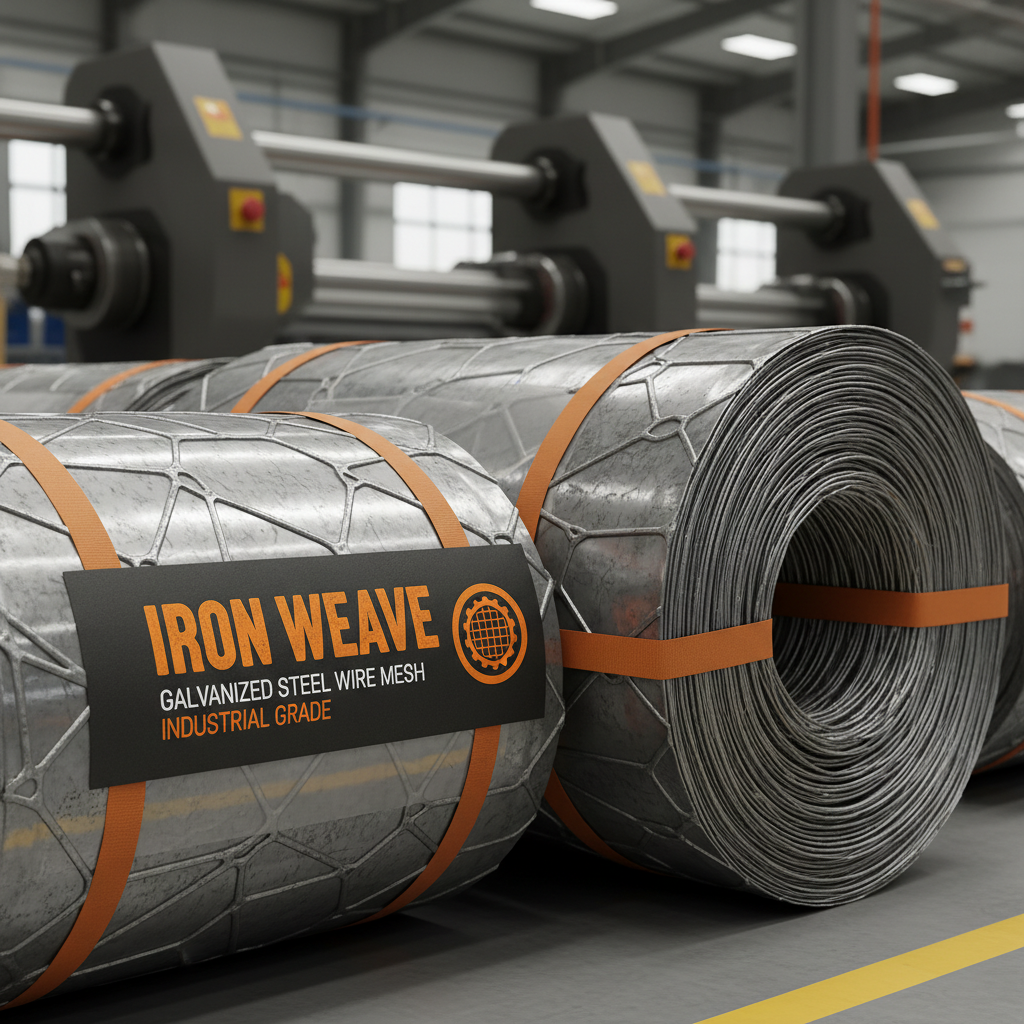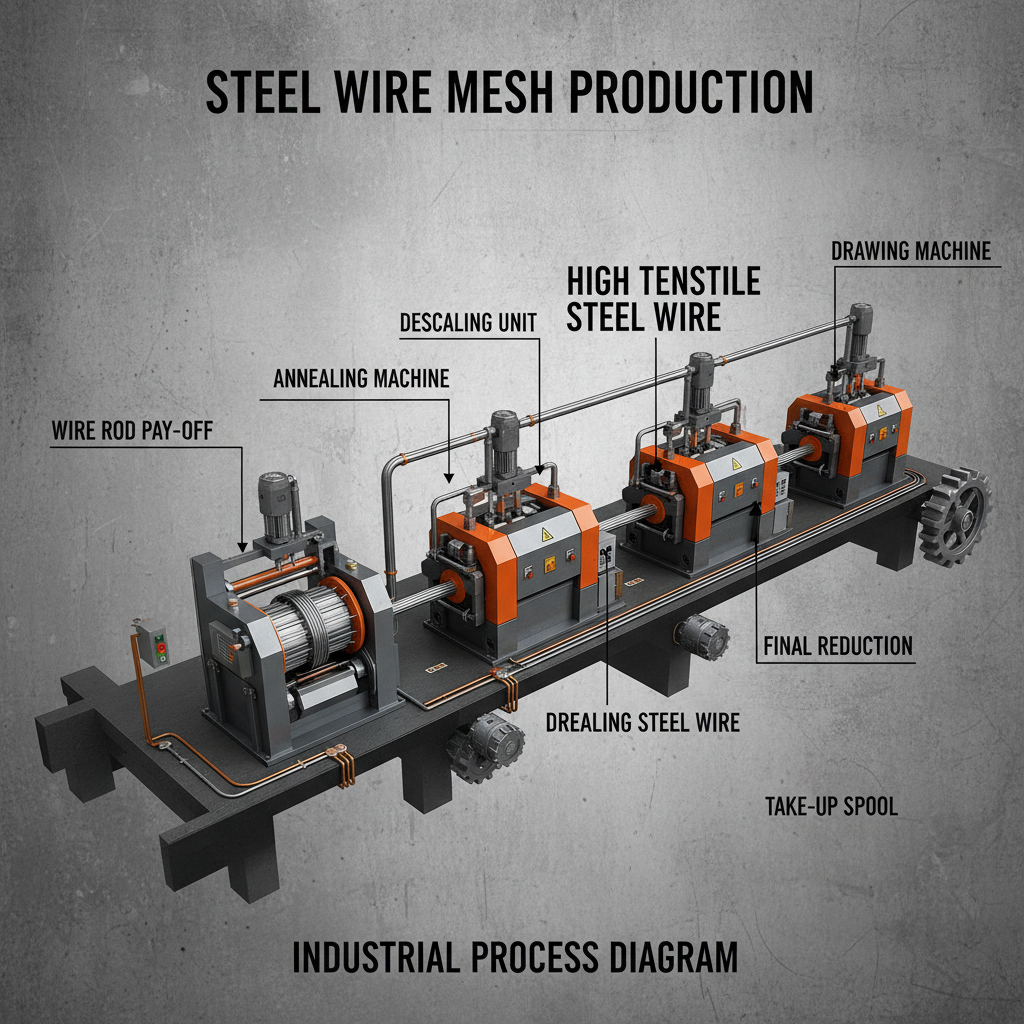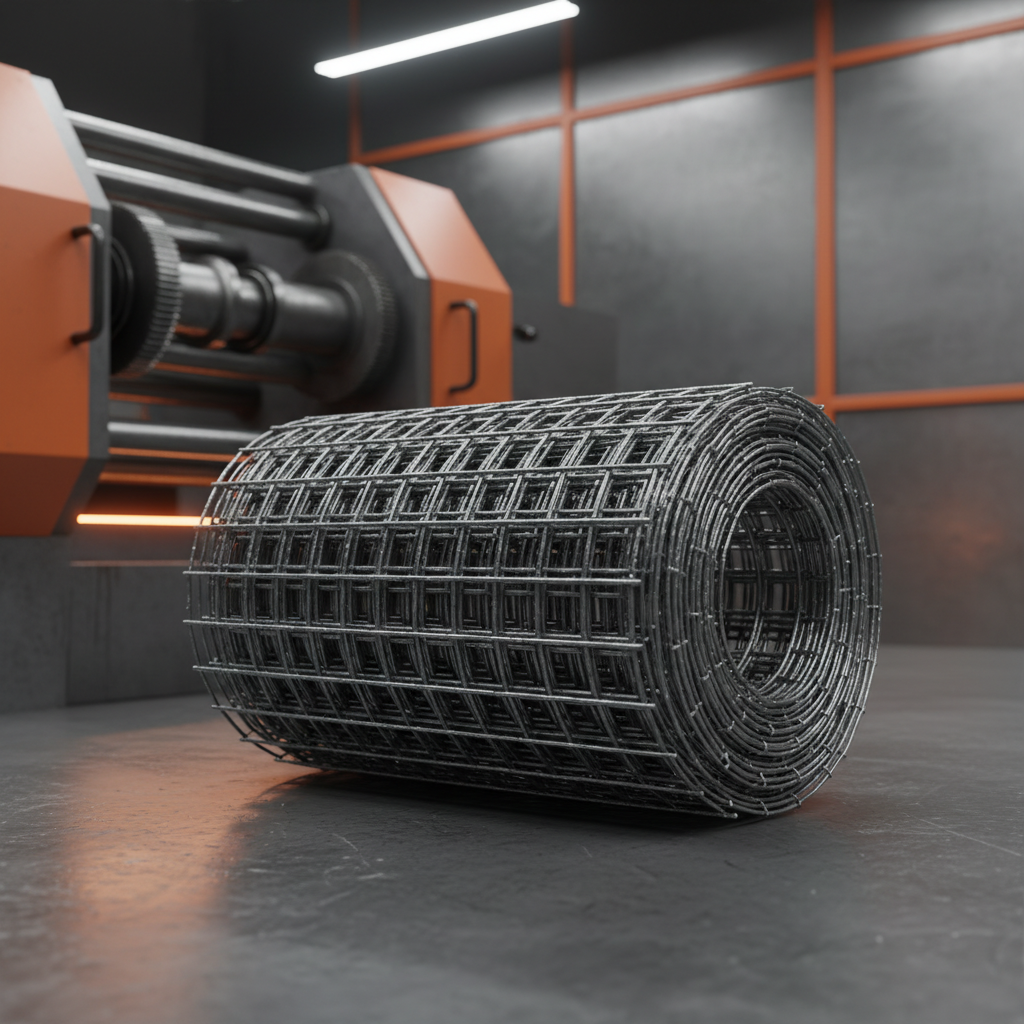
Look, I've been running around construction sites for fifteen years, dealing with all kinds of materials. Lately, everyone's talking about prefabrication, right? It's all the rage. But to be honest, a lot of the stuff I see… it looks good on paper, but falls apart the second you actually try to build with it. Steel wire, specifically, is at the heart of a lot of these pre-fab systems, from reinforcing mesh to complete structural elements. It’s not just about the steel grade anymore, it’s about the entire process.
Have you noticed how many companies are pushing “high-strength” this and “ultra-durable” that? Marketing hype, mostly. The real challenge isn't making something strong in a lab, it’s making something strong enough to survive a clumsy worker, a week of rain, and a rushed deadline. It needs to be predictable, and that’s where so many manufacturers mess up. And steel wire, it's…finicky.
I've seen so many designs where the wire gauge is specified without considering the bending radius. That’s a classic. Looks fine in the CAD drawing, then you try to actually form the wire and it kinks and breaks. And you're standing there, sweating, trying to explain to the foreman why the whole shipment is useless.
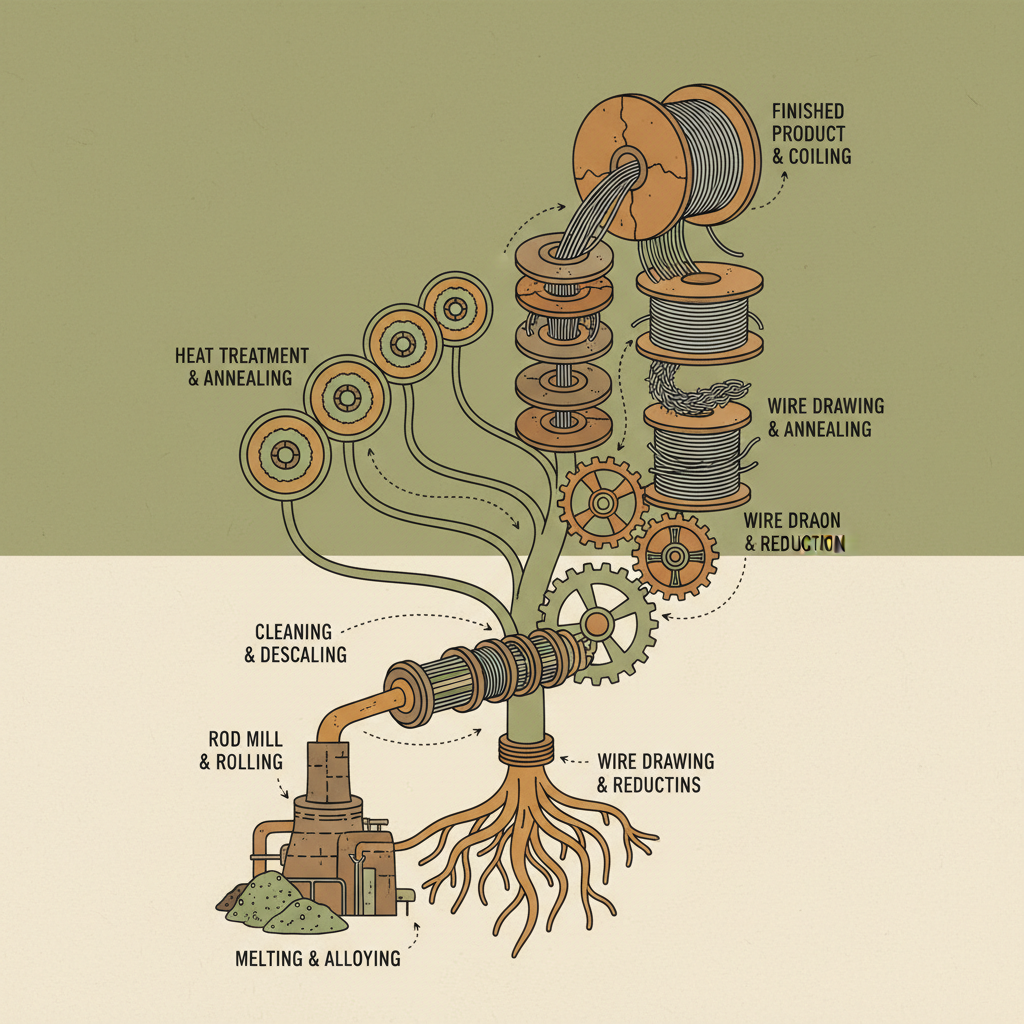

Honestly, the big shift I'm seeing is towards more specialized manufacturers. It used to be everyone just made a few standard gauges. Now, you’ve got companies focusing on everything from high-carbon for springs to low-carbon for tying rebar. It's good, in a way, because you get more tailored solutions. But it also means more suppliers to vet. steel wire manufacturers are increasingly focused on specific niche applications.
The Chinese manufacturers are… well, they’re dominating. No surprise there. But the quality varies wildly. I encountered this at a factory in Foshan last time – their “stainless” wire was already rusting after a week in storage. It smelled like cheap metal, you know? Not a good sign.
Honestly? They don’t consider the gauge. People get hung up on the opening size, but the wire thickness is what determines the strength and rigidity. A thin wire mesh might look good, but it’ll deflect under load. It’s about load bearing capacity, not just aesthetics. You need to match the gauge to the application, and that requires a little bit of engineering knowledge, or asking someone who has it.
Crucial. If you're planning to coat the wire, a rougher surface provides a better key for the coating to adhere to. If it's going to be exposed to the elements, you need a corrosion-resistant coating. And even if it's going to be buried in concrete, the surface finish can affect the bond between the wire and the concrete. It’s the unseen stuff that causes problems down the line.
Galvanized steel is cheaper and provides decent corrosion resistance for most applications. Stainless steel is more expensive but offers superior corrosion resistance, especially in harsh environments. It really depends on the budget and the expected lifespan of the project. For a simple fence, galvanized is fine. For a marine environment, you need stainless.
Simple bend tests are a good start. Try bending a piece of wire back and forth until it breaks. If it snaps easily, it's likely brittle. You can also do a quick visual inspection for any signs of rust or damage. And if you’re really concerned, send a sample to a lab for a full tensile test. But honestly, experience is the best teacher. You'll learn to spot bad wire pretty quickly.
Absolutely. Steel is one of the most recyclable materials on the planet. Scrap steel wire can be melted down and reused to make new products. It’s a sustainable material, which is a big plus these days. And reducing waste is always a good thing, you know? Plus, the scrap value can offset some of the project costs.
I think we’ll see more pre-fabricated components using steel wire, like modular building elements and prefabricated rebar cages. Automation is also playing a bigger role, with robots being used to bend and weld wire more efficiently. And there's research into new alloys that offer higher strength and better corrosion resistance. But the basic principles will stay the same.
So, steel wire manufacturing isn't glamorous. It's a gritty, detail-oriented business. It's about understanding the materials, the processes, and the real-world conditions. It's about finding the right balance between strength, ductility, corrosion resistance, and cost. And it’s about avoiding the common pitfalls that can lead to costly mistakes.
Ultimately, whether this thing works or not, the worker will know the moment he tightens the screw. If it feels solid, it is. If it feels flimsy… well, you’ve got a problem. And that’s the truth of it. If you want to learn more about sourcing reliable steel wire, check out steel wire manufacturers.

Contact Us Now. 100% Customer Satisfaction Guaranteed
Newsletter