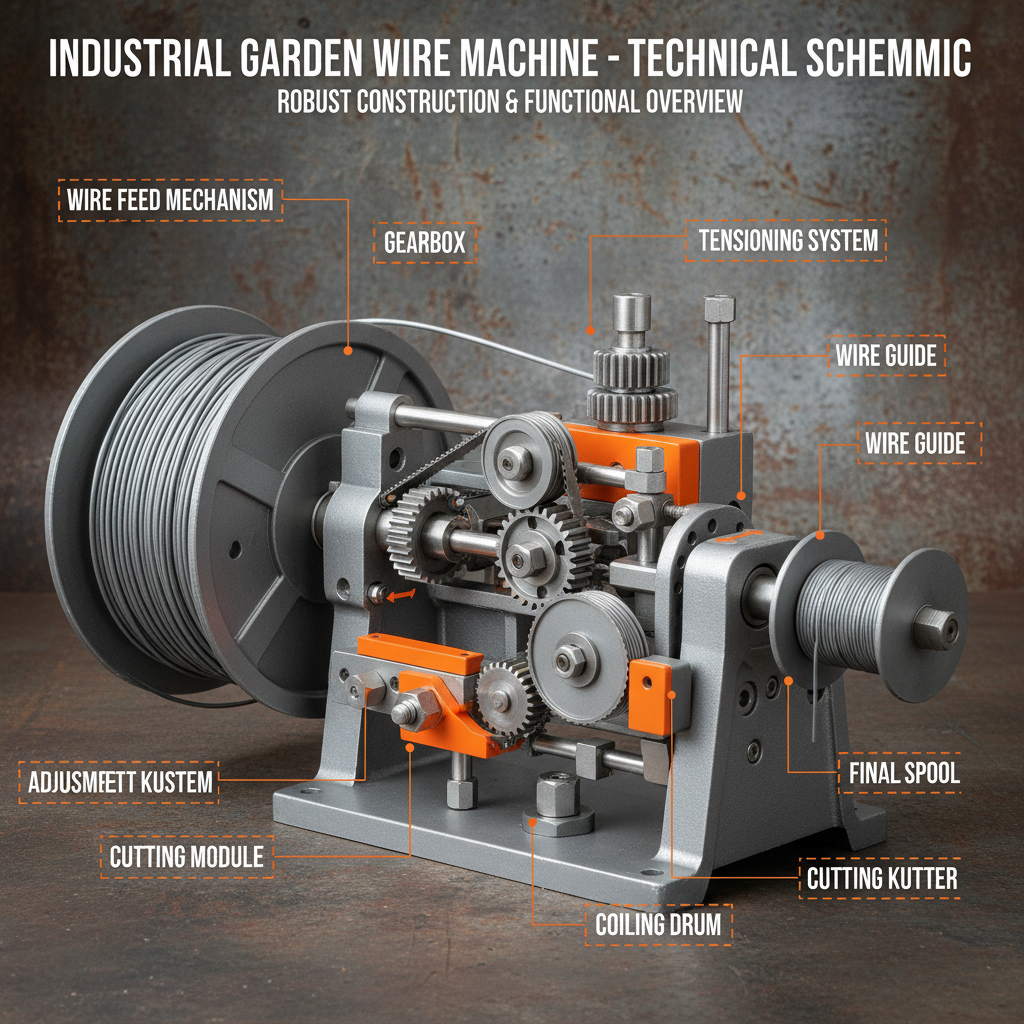
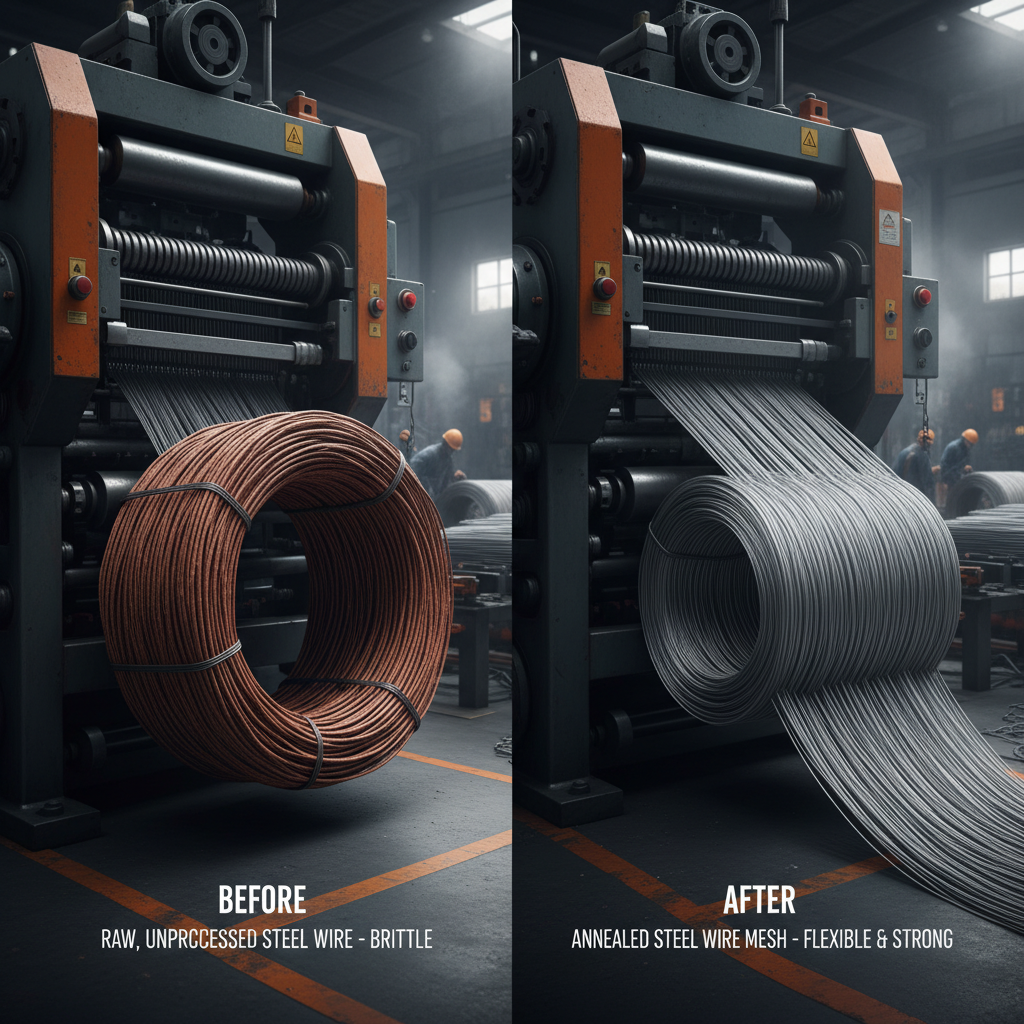
In the vast landscape of industrial metallurgy, soft steel wire stands as a fundamental component that bridges the gap between raw structural strength and practical flexibility. Its unique ability to be bent, twisted, and shaped without snapping makes it an indispensable resource across various sectors, from construction and automotive assembly to specialized garden products and artistic installations. Understanding the nuances of this material is not just a matter of technical specification, but a key to optimizing production efficiency and product longevity in the global manufacturing chain.
On a global scale, the demand for versatile steel solutions has surged as infrastructure projects in developing economies expand and the need for sustainable, recyclable materials becomes paramount. The versatility of soft steel wire allows it to be adapted for countless roles, whether as a binding agent in reinforced concrete or as a core for PVC coated wire fences. By mastering the annealing process—which removes internal stresses and increases ductility—manufacturers can provide a product that meets stringent ISO standards while remaining cost-effective for the end user.
However, the challenge for many procurement managers lies in distinguishing between various grades of annealed and cold-drawn wires to ensure the right material is used for the right application. Choosing a wire that is too rigid can lead to premature fatigue failure, while one that is too soft may lack the necessary tensile strength for secure fastening. This guide aims to demystify the properties of soft steel wire, offering professional insights into its manufacturing, application, and the future trends shaping the metal products industry.
Global Industry Context of Soft Steel Wire
The global market for soft steel wire is intricately linked to the growth of the construction and automotive industries. As urbanization accelerates in regions like Southeast Asia and Africa, the demand for reliable binding wires—specifically black annealed and white annealed varieties—has reached record highs. Data from international trade organizations suggest that the efficiency of these wires in facilitating rapid assembly of steel frameworks directly impacts the timeline and cost of large-scale infrastructure projects.
Beyond construction, the shift toward precision manufacturing has highlighted the need for wires that offer consistent ductility. In the automotive sector, for instance, soft steel is used in various clips and springs where the material must withstand repeated deformation without fracturing. This global reliance underscores the necessity of maintaining strict quality control during the drawing and annealing phases to prevent industrial downtime and ensure the safety of the final engineered products.
Technical Definition and Material Meaning
In technical terms, soft steel wire refers to low-carbon steel that has undergone a process of annealing—a heat treatment that alters the microstructure of the metal to increase its ductility and reduce its hardness. Unlike cold-drawn hard wire, which is designed for high tensile strength and rigidity, soft steel is engineered for malleability. This means it can be easily bent by hand or machine into complex shapes without the risk of brittle failure.
This material significance extends beyond mere "softness." The "soft" designation indicates a state of internal equilibrium where the dislocations in the crystal lattice of the steel have been reorganized. For humanitarian needs, such as the rapid deployment of temporary fencing or disaster relief shelters, this flexibility is critical. It allows non-specialized workers to secure structures quickly and safely using basic tools, making it a cornerstone of emergency infrastructure.
Furthermore, soft steel serves as the ideal substrate for various coatings. Whether it is the zinc layer in hot-dipped galvanized wire or the polymer layer in PVC coated wire, the underlying softness of the steel ensures that the coating adheres well and does not crack when the wire is bent during installation. This synergy between the core material and its protective exterior is what allows the wire to perform in harsh outdoor environments.
Core Components of Wire Quality
The quality of soft steel wire is primarily determined by its chemical composition and the precision of its thermal processing. The carbon content must be kept low—typically below 0.25%—to ensure that the material does not become too brittle during the annealing process. This chemical balance allows the wire to maintain a delicate equilibrium between being easy to manipulate and possessing enough strength to hold a load.
Ductility is the most critical performance factor. In practical applications, a high-quality soft steel wire should exhibit a high percentage of elongation before break. This ensures that in high-stress environments, such as wind-loaded garden products or industrial bindings, the wire will stretch slightly rather than snap instantly, providing a crucial safety margin and increasing the overall lifespan of the installation.
Surface consistency also plays a vital role in the commercial value of the product. Whether the finish is the matte black of annealed wire or the bright sheen of electric galvanized steel wire, the absence of pits, cracks, or scale is essential. A smooth surface not only prevents premature corrosion but also ensures that the wire glides easily through automated machinery during large-scale production, reducing friction and wear on equipment.
Practical Application Performance Metrics
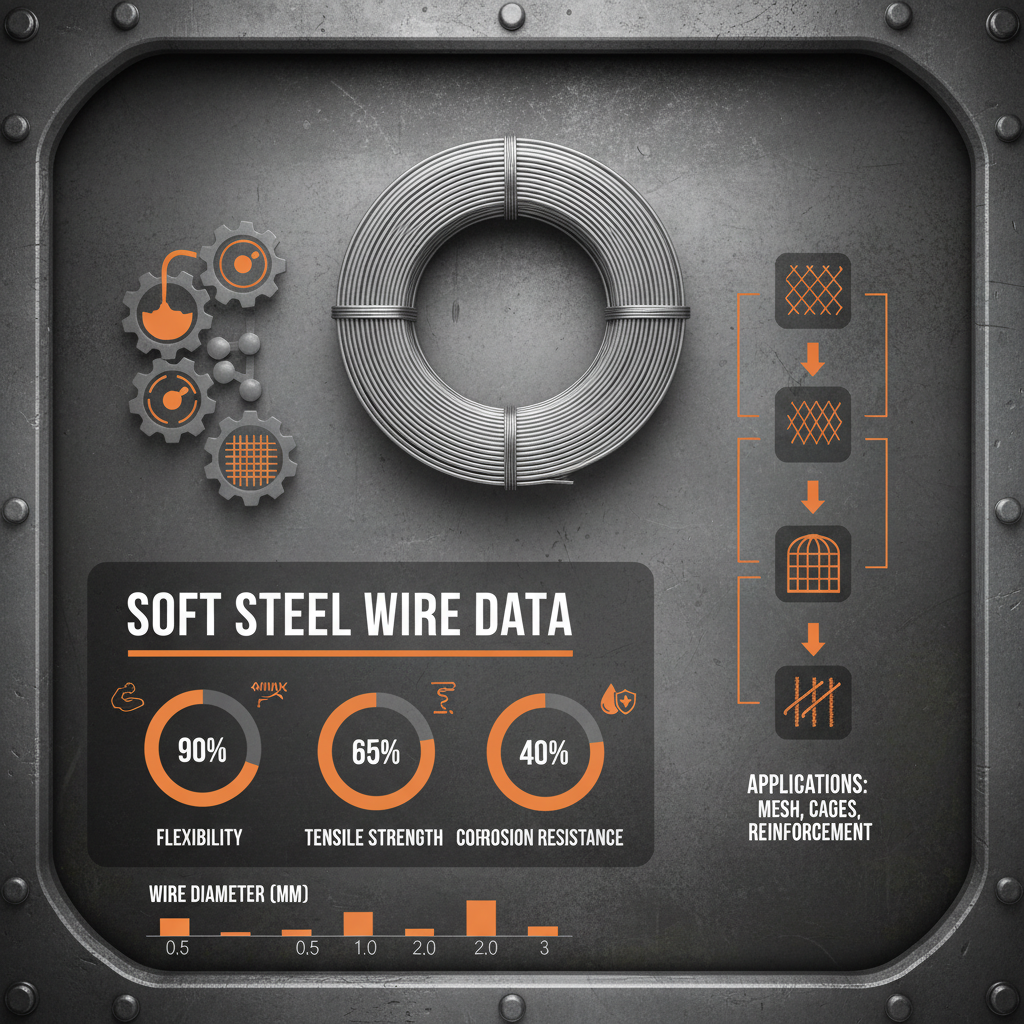
When evaluating soft steel wire for industrial use, engineers look at a combination of yield strength, elongation, and corrosion resistance. For instance, in the production of wire mesh or wire nails, the material must be soft enough to be formed into the desired shape but strong enough to resist loosening over time. The balance of these metrics determines the "workability" of the wire in a factory setting.
To better understand how different types of soft steel variations perform, we can look at a comparison of their efficiency ratings across common industrial requirements. The following chart illustrates the performance of different processing methods used to achieve the desired "soft" characteristics.
Comparative Performance of Soft Steel Wire Processing Methods
Global Use Cases and Regional Demand
In real-world contexts, soft steel wire is the silent workhorse of the agricultural sector. In North America and Europe, there is a high demand for PVC coated wire and galvanized soft wires for livestock fencing and vineyard supports. These applications require a wire that can be easily tied around posts but remains resilient against the oxidizing effects of rain and soil acidity.
Conversely, in the rapidly industrializing zones of Asia, the use of soft steel is heavily concentrated in the construction of high-rise buildings. Here, black annealed wire is used in massive quantities to tie rebar in place before concrete is poured. The ability of the wire to be twisted tightly and then cut cleanly is essential for maintaining the structural integrity of the steel cage, ensuring that the reinforcement remains exactly where the engineers intended.
Long-Term Value and Sustainability
The long-term value of investing in high-quality soft steel wire lies in its reliability and sustainability. Steel is one of the most recycled materials on the planet. Because soft steel wires are often used in temporary bindings or as part of modular systems, they can be easily recovered and melted down at the end of their lifecycle, contributing to a circular economy that reduces the need for virgin iron ore mining.
From a logical angle, the use of properly annealed soft steel reduces waste during the installation phase. When a wire is too brittle, it snaps during bending, leading to material loss and increased labor time. By utilizing a wire with a consistent ductility profile, companies can reduce their material overhead and improve the safety of their workers, who are less likely to deal with sharp, unexpected breaks in the material.
Emotionally, the trust a client places in a structural binding is immense. Whether it is a fence protecting a home or the internal ties of a bridge, the reliability of the soft steel wire provides peace of mind. The innovation in this field isn't just about strength, but about the "dignity of the detail"—the assurance that the smallest component of a massive project is engineered to last.
Future Innovations in Steel Wire Tech
The future of soft steel wire is being shaped by the push toward "Green Steel." This involves utilizing hydrogen-based reduction instead of coking coal in the smelting process, significantly reducing the carbon footprint of every coil produced. As global policies move toward carbon neutrality, the demand for eco-certified soft steel will likely become a prerequisite for government-funded infrastructure projects worldwide.
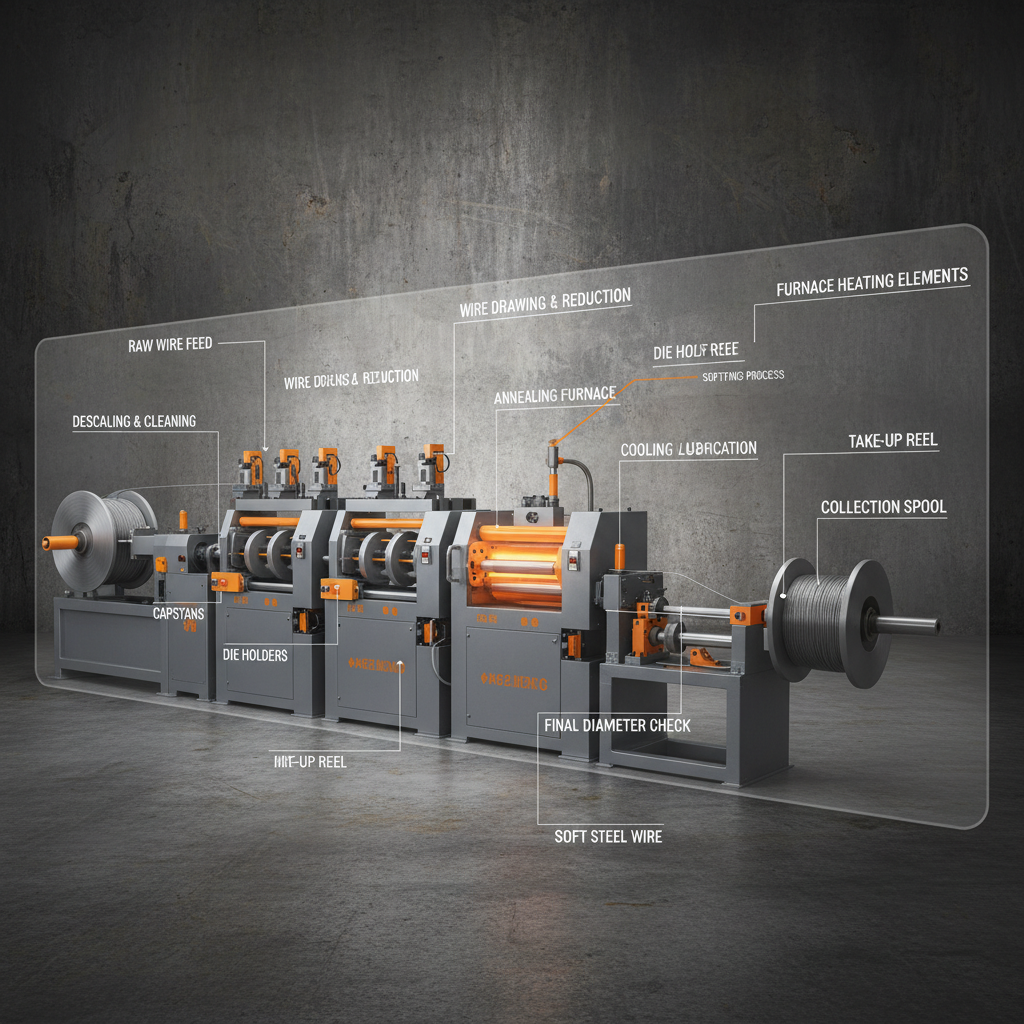
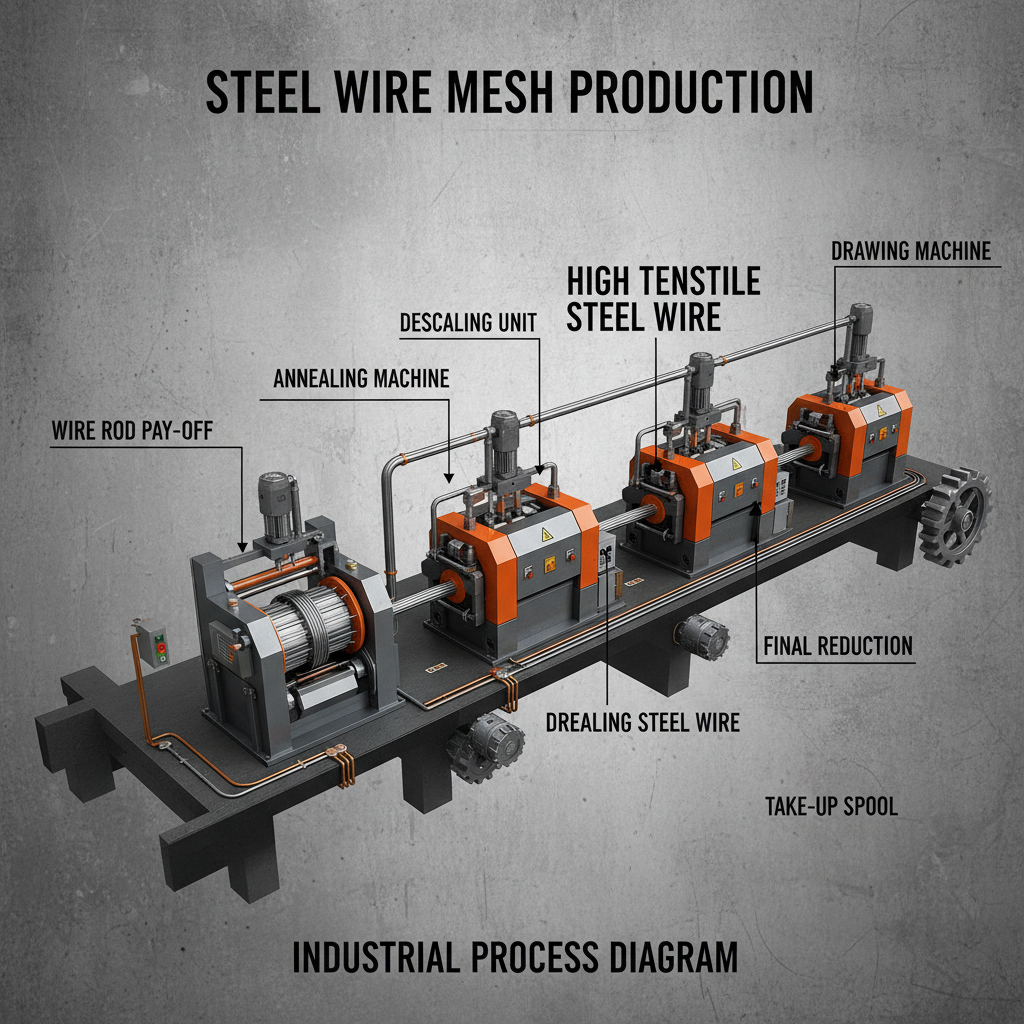
Furthermore, digital transformation is entering the wire drawing process. Advanced sensors and AI-driven feedback loops now allow manufacturers to monitor the temperature of the annealing furnace in real-time, ensuring a perfectly uniform softness across kilometers of wire. This eliminates the "hard spots" that previously caused failures in automated bending machines, paving the way for fully autonomous wire-forming factories.
We are also seeing a trend toward hybrid coatings. Combining the corrosion resistance of galvanization with the aesthetic and protective properties of specialized polymers is creating a new generation of "super-soft" wires. These materials are designed to withstand extreme temperature fluctuations—from arctic freezes to tropical humidity—without losing their flexibility or peeling, expanding the usable range of steel wire into the most extreme environments on earth.
Technical Specification and Comparative Analysis of Soft Steel Wire Varieties
| Wire Type |
Ductility Level (1-10) |
Corrosion Resistance |
Primary Industry |
| Black Annealed |
9 |
Low |
Construction |
| White Annealed |
8 |
Medium |
General Hardware |
| Hot Dip Galvanized |
7 |
Very High |
Agriculture/Fencing |
| PVC Coated Soft |
10 |
Excellent |
Garden/Decorative |
| Electric Galvanized |
7 |
High |
Automotive Parts |
| Low Carbon Soft |
8 |
Low |
Wire Nail Mfg |
FAQS
The primary difference lies in the ductility and internal stress. Soft steel wire has been annealed to remove internal stresses, making it easy to bend and shape without breaking. Hard-drawn wire, conversely, is processed to maximize tensile strength and rigidity, making it ideal for supports but unsuitable for binding or intricate twisting.
A simple field test is the "bend test." Properly annealed soft steel wire should bend smoothly under manual pressure without any "spring-back" effect or audible cracking. For industrial verification, a tensile test measuring the percentage of elongation before failure is used to ensure it meets ISO or ASTM standards.
It depends on the environment. Galvanized wire offers superior resistance to deep scratches and high-heat environments. However, PVC coated wire provides an additional barrier against salt spray and chemical pollutants, making it better for coastal areas or gardens where aesthetic appeal and extreme moisture resistance are required.
Yes, significantly. Higher carbon content increases the hardness and strength of the steel but makes it more difficult to anneal to a "soft" state. For a true soft steel wire, low-carbon steel (mild steel) is used because it allows for maximum ductility and a more consistent response to heat treatment.
Generally, no. Soft steel wire is designed for binding, tying, and shaping, not for primary load-bearing. While it has strength, its high ductility means it will stretch under heavy constant loads. For structural support, high-tensile or hard-drawn steel wires are the correct technical choice.
Soft steel, especially black annealed wire, is prone to oxidation. It should be stored in a cool, dry environment, ideally off the ground on pallets. For long-term storage, keeping the original plastic wrapping or using a light oil coating can prevent moisture from reaching the surface and causing rust.
Conclusion
Throughout this analysis, we have explored how soft steel wire serves as a critical, flexible link in modern industrial manufacturing. From its chemical foundations in low-carbon steel to the sophisticated annealing processes that grant it ductility, this material provides the essential balance of workability and strength required for everything from urban skyscraper rebar to delicate garden lattices. By understanding the distinctions between annealed, galvanized, and coated varieties, procurement professionals can ensure maximum efficiency and long-term reliability in their projects.
Looking forward, the evolution of the industry toward green steel and AI-monitored production will only enhance the quality and sustainability of these essential components. As we move toward a more circular economy, the recyclability and versatility of soft steel make it a future-proof choice for global infrastructure. We encourage engineers and buyers to prioritize certified, high-ductility materials to ensure safety and durability in every application. For premium solutions and expert guidance on selecting the right wire for your needs, visit our website: www.lanyewiremesh.com