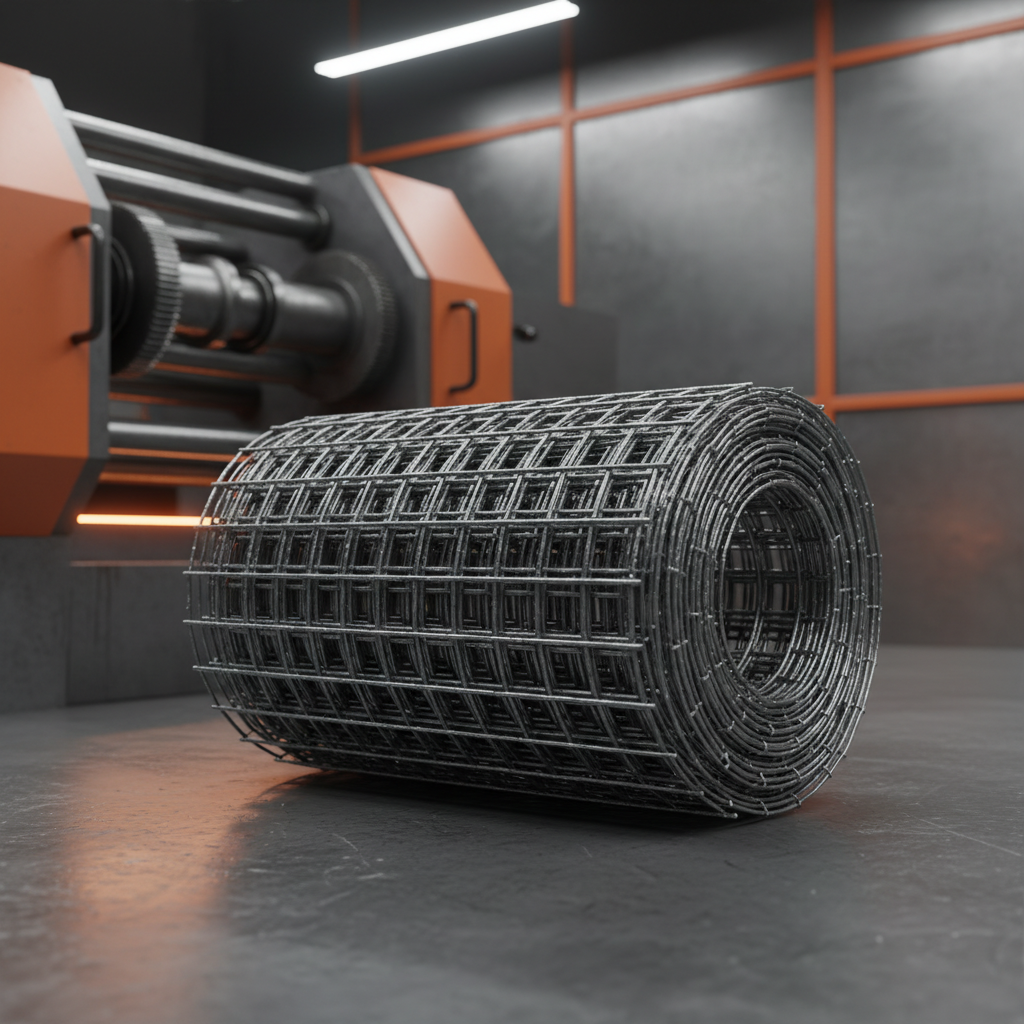
In the demanding world of industrial filtration and structural reinforcement, stainless steel wire mesh stands as a cornerstone material, blending the inherent strength of steel with the exceptional corrosion resistance of chromium alloys. This versatile material is not merely a grid of wires but a precision-engineered solution used in everything from aerospace components to food processing screens, ensuring that hygiene and durability are never compromised.
Understanding the nuances of wire diameter, weave patterns, and alloy grades is critical for procurement managers and engineers who seek to maximize the lifespan of their equipment. As global industrial standards evolve towards stricter sustainability and safety mandates, the role of high-quality mesh has expanded, becoming essential for preventing contamination in pharmaceutical labs and providing critical security in urban infrastructure.
Whether it is through woven, welded, or expanded configurations, the application of stainless steel wire mesh provides a unique balance of transparency, airflow, and structural integrity. By exploring the technical specifications and global trends surrounding this material, businesses can optimize their operational efficiency and reduce long-term maintenance costs in harsh environments.
Global Industrial Context of Stainless Steel Wire Mesh
On a global scale, the demand for stainless steel wire mesh has surged as emerging economies modernize their manufacturing bases. Adhering to ISO 9001 quality standards, the industry has transitioned from basic screening to high-precision filtration, reflecting a global shift toward "zero-defect" production in the chemical and automotive sectors.
The primary challenge facing many industries today is the aggressive nature of corrosive environments, where saltwater, acids, and extreme temperatures degrade standard carbon steel. This has positioned stainless steel mesh as the gold standard for infrastructure projects in coastal regions and high-temperature refineries, where the cost of failure far outweighs the initial investment in premium materials.
Defining the Technical Essence of Stainless Steel Wire Mesh
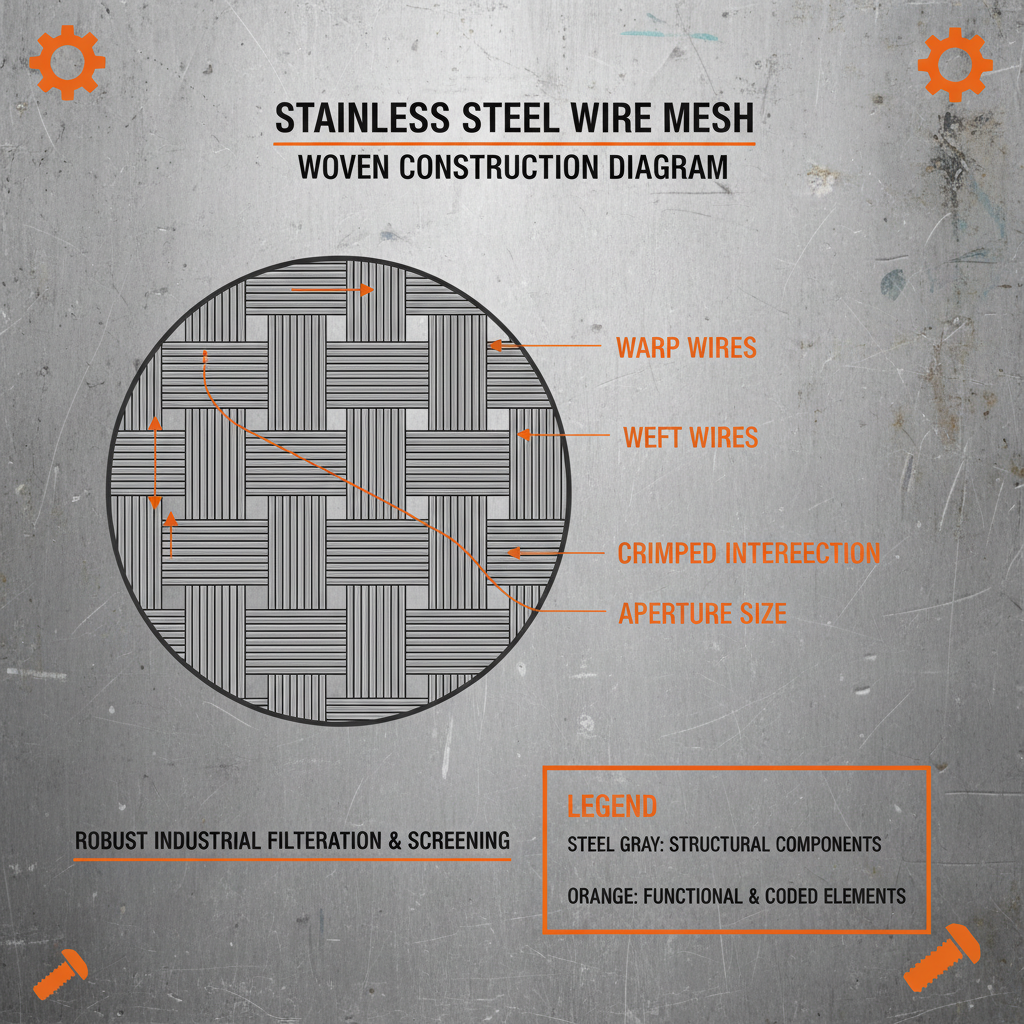
At its simplest, stainless steel wire mesh is a fabric-like structure created by interlacing wires of stainless steel alloys, such as 304 or 316L, into a precise grid. This construction allows for the creation of specific "open areas," which determine the mesh's ability to filter particles, allow air passage, or provide security while maintaining visibility.
Beyond the physical structure, this material serves as a critical interface in modern humanitarian and industrial needs. For instance, in water purification systems for remote areas, precision mesh serves as the first line of defense against debris, ensuring that subsequent filtration stages operate efficiently without clogging, thereby providing clean water to thousands.
The connection between this industrial product and modern society lies in its reliability. From the screens used in pharmaceutical laboratories to ensure sterile environments to the architectural facades of modern skyscrapers, the material's ability to resist oxidation makes it an indispensable asset for long-term stability.
Core Components Driving Mesh Performance
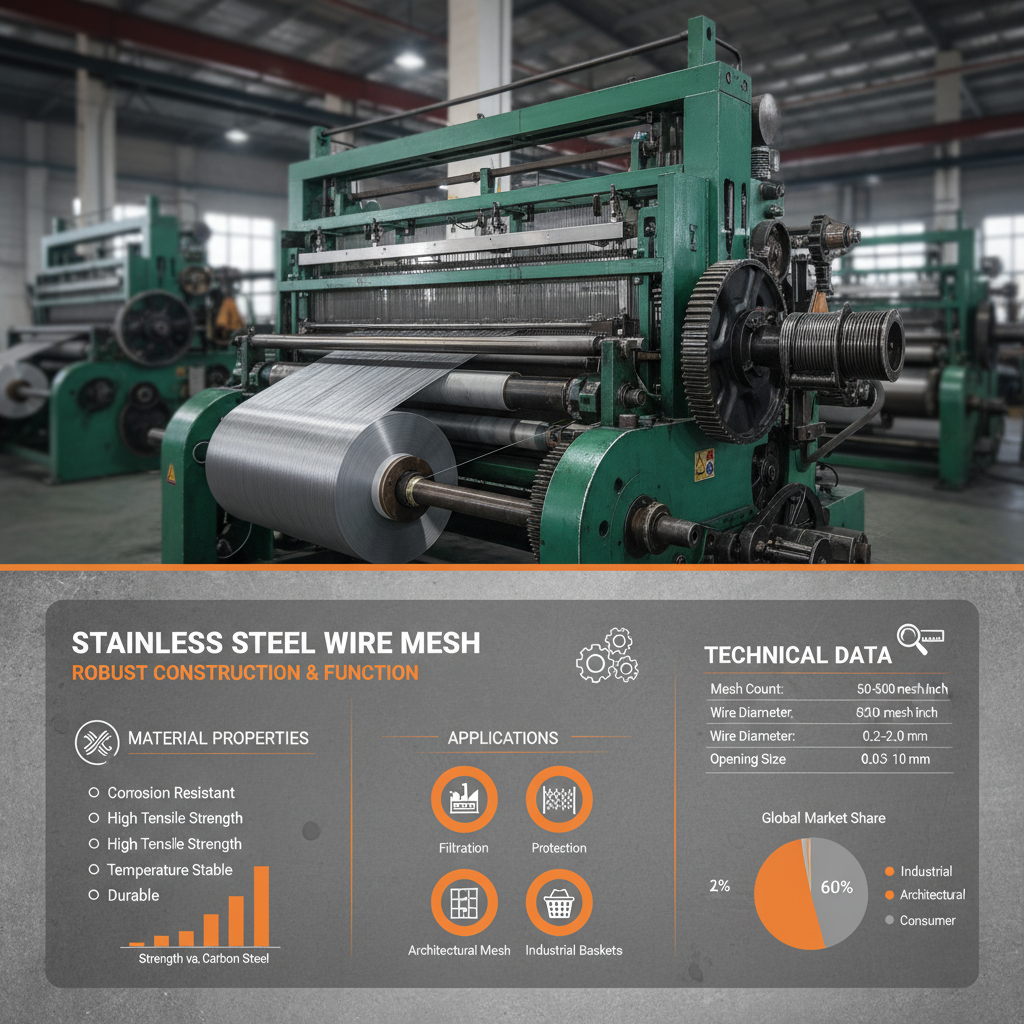
The durability of stainless steel wire mesh is primarily dictated by its alloy composition. Grades like 304 offer excellent general-purpose corrosion resistance, while 316 contains molybdenum, which significantly enhances its performance in marine environments and against chloride-induced pitting.
Precision and scalability are achieved through the weaving process. Plain weave provides the most stability, whereas twilled weaves allow for higher wire diameters and tighter openings, making them ideal for heavy-duty filtration where the mesh must withstand high pressure without distorting.
Cost efficiency is often misunderstood as choosing the cheapest material; however, in the context of industrial mesh, it refers to the Total Cost of Ownership (TCO). A higher-grade mesh that lasts ten years without replacement is exponentially more cost-effective than a lower-grade version that requires annual maintenance.
Global Applications and Strategic Use Cases
In real-world contexts, the application of stainless steel wire mesh spans from the micro to the macro. In the petrochemical plants of the Middle East, it is used for catalyst support and high-temperature filtration, where it must remain structurally sound despite exposure to volatile hydrocarbons.
In remote industrial zones or post-disaster relief operations, stainless steel mesh is often utilized in the construction of rapid-deployment filtration systems and temporary security fencing. Its ability to be transported in coils and installed quickly without the need for specialized welding equipment makes it an ideal choice for urgent infrastructure needs.
Performance Comparison of Stainless Steel Wire Mesh Types
Long-term Value and Sustainability Advantages
The tangible benefits of investing in high-quality stainless steel wire mesh extend far beyond immediate functionality. From a sustainability perspective, stainless steel is 100% recyclable, meaning that at the end of its long service life, it can be melted down and repurposed without losing its structural properties, aligning with global circular economy goals.
Beyond the logic of cost and sustainability, there is an emotional layer of trust and safety. In food production facilities, the use of non-reactive mesh prevents metallic contamination in consumer goods, ensuring public health and safeguarding brand reputation. This reliability fosters a sense of security for operators who know their systems will not fail under critical pressure.
Future Innovations in Mesh Technology
The future of stainless steel wire mesh is being shaped by the intersection of material science and digital transformation. We are seeing the rise of "smart meshes" integrated with sensors that can detect pressure drops or corrosion levels in real-time, allowing for predictive maintenance rather than reactive repairs.
Automation in the weaving process is also allowing for the creation of non-linear and 3D mesh structures. These innovations enable the production of customized filtration components that can fit complex geometric spaces, reducing the need for wasteful cutting and fitting during installation.
Furthermore, the integration of nano-coatings is enhancing the hydrophobic and oleophobic properties of the mesh. This prevents "blinding" or clogging in oil and gas applications, significantly increasing the interval between cleaning cycles and reducing the use of harsh chemical solvents for maintenance.
Overcoming Current Implementation Challenges
Despite its advantages, the implementation of stainless steel wire mesh is not without challenges. One common limitation is the high initial cost compared to galvanized or plastic alternatives. However, the solution lies in a life-cycle analysis, demonstrating that the reduction in downtime and replacement frequency leads to lower overall expenditure.
Another challenge is the potential for "crevice corrosion" in poorly welded joints. Expert insights suggest the use of TIG welding combined with proper passivation treatments to restore the protective chromium oxide layer. This ensures that the mesh remains impervious to corrosion even at its most vulnerable points.
Finally, selecting the wrong mesh count for a specific application can lead to inefficiency—either allowing too many contaminants through or restricting flow too severely. The solution is a collaborative approach between the manufacturer and the end-user, utilizing sample testing and flow-rate simulations to ensure the perfect specifications for the task at hand.
Analysis of Material Selection and Performance for Stainless Steel Wire Mesh
|
Alloy Grade
|
Corrosion Resistance
|
Tensile Strength
|
Ideal Application
|
| SS 304 |
Moderate (7/10) |
High (8/10) |
Kitchenware, General Screening |
| SS 316 |
Very High (9/10) |
High (8/10) |
Marine, Pharmaceutical |
| SS 316L |
Exceptional (10/10) |
Moderate (7/10) |
Welded Structures, Chemical Plants |
| SS 430 |
Low (4/10) |
Very High (9/10) |
Automotive Trim, Appliances |
| Duplex 2205 |
Extreme (10/10) |
Extreme (10/10) |
Oil & Gas, Desalination |
| SS 310S |
High Temp (9/10) |
Moderate (7/10) |
Furnace Screens, Heat Exchangers |
FAQS
The primary difference lies in the addition of molybdenum in 316 grade. While SS 304 is excellent for general purpose use and cost-effective, SS 316 provides superior resistance to chlorides and acids, making it the necessary choice for marine environments or chemical processing plants where corrosion risk is high.
Choosing the right count depends on the size of the particles you intend to filter. You must balance the 'open area' (for flow rate) with the 'wire diameter' (for strength). We recommend calculating the micron rating of the opening and testing a sample under actual pressure conditions to avoid clogging or leakage.
Yes, but the alloy choice is critical. While standard 304/316 can handle moderate heat, grades like SS 310S are specifically designed for high-temperature oxidation resistance. These alloys maintain their structural integrity and resist scaling even when exposed to temperatures exceeding 1000°C.
It depends on the application. Woven mesh is generally more flexible and better for filtration, as the wires are interlaced. Welded mesh offers superior rigidity and impact resistance because the wires are fused at every intersection, making it ideal for security fences, shelving, and structural supports.
Maintenance involves regular inspection for pitting or wire breaks. Cleaning can be done via ultrasonic baths for fine meshes or high-pressure water jetting for coarser meshes. Avoid using steel brushes which can scratch the protective oxide layer; instead, use nylon brushes or specialized chemical descalers.
Yes, it is one of the most sustainable industrial materials. It is 100% recyclable and has an extremely long lifespan, which reduces the frequency of replacement and the total amount of waste generated over the life of an industrial plant, supporting green manufacturing initiatives.
Conclusion
In summary, stainless steel wire mesh is far more than a simple industrial component; it is a high-performance tool that ensures safety, hygiene, and efficiency across a multitude of global industries. From the precision of 316L alloys in pharmaceutical labs to the rugged strength of duplex steel in offshore rigs, the versatility of this material allows it to solve complex engineering challenges while adhering to strict sustainability standards.
As we look toward a future of smarter, more automated manufacturing, the continued evolution of mesh technology—through nano-coatings and sensor integration—will further empower industries to reach new heights of productivity. For those seeking to optimize their operations, investing in the correct grade and weave of mesh is not just a procurement decision, but a strategic move toward long-term operational excellence. Visit our website for more information: www.lanyewiremesh.com