PVC fencing has become increasingly popular in recent years, and a key question homeowners and businesses ask is: is pvc fencing any good? This isn’t a simple yes or no answer. It requires considering factors like durability, cost, aesthetic appeal, and environmental impact. Understanding the benefits and drawbacks of PVC fencing is crucial for making an informed decision that suits specific needs and budgets.
Globally, the demand for fencing solutions is driven by increasing urbanization, a growing emphasis on property security, and a desire for aesthetically pleasing outdoor spaces. While traditional materials like wood and metal remain prevalent, PVC fencing offers a compelling alternative, particularly where low maintenance and longevity are priorities. The market for PVC fencing is experiencing significant growth, with projections indicating continued expansion due to its versatility and cost-effectiveness.
Ultimately, deciding if PVC fencing is any good depends on individual requirements. However, its growing prevalence in both residential and commercial settings points to its increasing acceptance as a viable and often superior fencing solution. This comprehensive guide will delve into the specifics, examining the advantages, disadvantages, and future trends surrounding PVC fencing.
Defining is pvc fencing any good
When we ask "is pvc fencing any good," we're really evaluating its suitability for a particular application. It's about more than just the initial price; it’s assessing its lifecycle cost, including maintenance, repair, and longevity. A good PVC fence delivers a balance of affordability, durability, and aesthetic appeal, making it a worthwhile investment for many property owners.
Evaluating “is pvc fencing any good” requires looking beyond surface impressions. Factors such as the quality of the PVC compound, the manufacturing process, and the installation method all contribute to the overall performance and longevity of the fence. A well-constructed PVC fence can withstand harsh weather conditions and provide years of reliable service.
The Global Rise of PVC Fencing
The global fencing market is a multi-billion dollar industry, and PVC fencing represents a significant and growing segment. According to recent industry reports, the demand for PVC fencing is increasing rapidly in regions experiencing rapid urbanization and infrastructure development, particularly in Asia-Pacific and North America. This growth is driven by factors such as cost-effectiveness, low maintenance requirements, and increasing aesthetic preferences.
The rising cost of traditional fencing materials like wood and metal has further fueled the demand for PVC alternatives. Wood is susceptible to rot, insect damage, and requires regular staining or painting, while metal can rust and corrode. PVC fencing offers a durable, weather-resistant solution that eliminates these concerns, making it a more sustainable and cost-effective option in the long run.
Furthermore, increased awareness regarding sustainable building practices has led to a greater interest in PVC fencing, particularly when it is manufactured using recycled materials. This aligns with global efforts to reduce waste and promote environmentally responsible construction solutions. Considering the question of "is pvc fencing any good" within this environmental context reveals further positive attributes.
What Exactly is PVC Fencing?
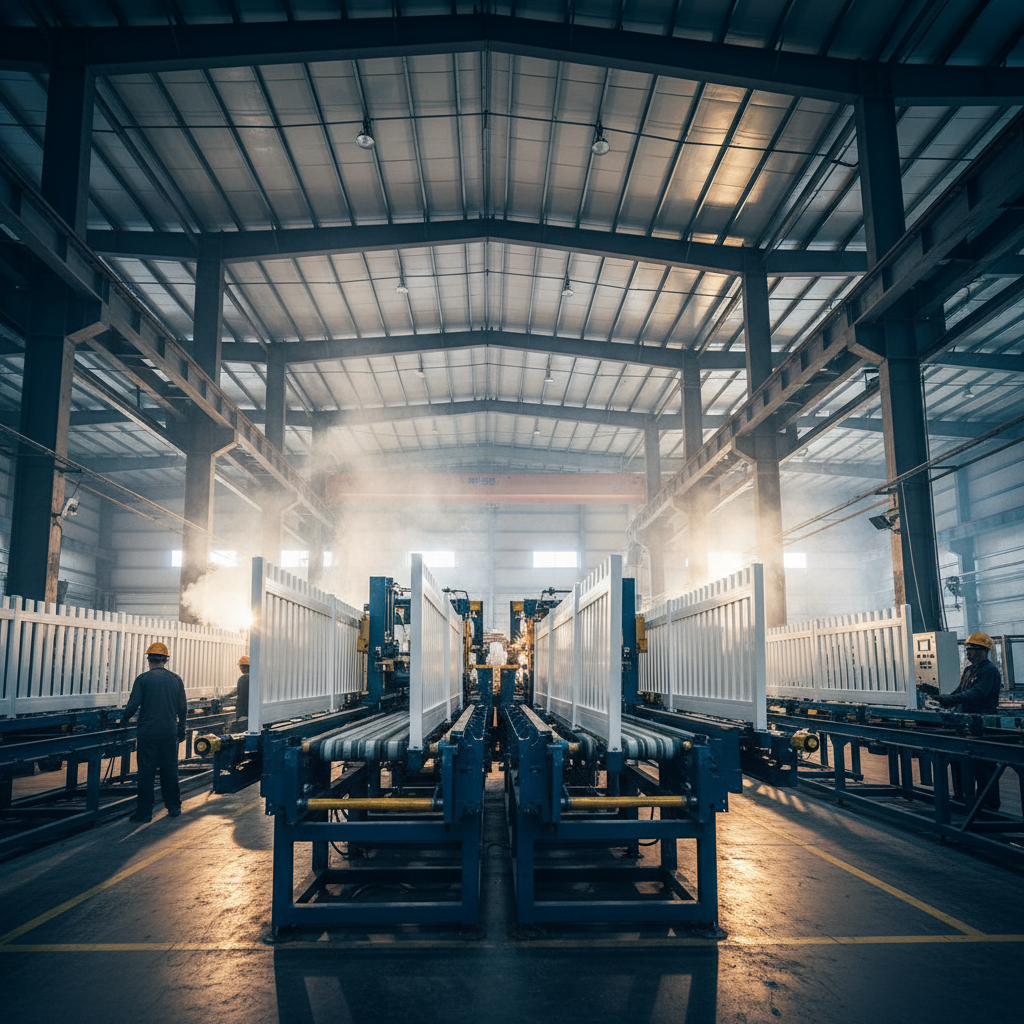
PVC, or polyvinyl chloride, is a versatile synthetic plastic polymer. In the context of fencing, it's extruded into various profiles – pickets, rails, and posts – designed to mimic the appearance of traditional fencing materials like wood. Unlike wood, PVC doesn't rot, warp, or splinter, making it a remarkably low-maintenance option.
The connection to modern industry lies in PVC's adaptability and the scalability of its production. Manufacturers can tailor PVC fencing to various styles and colors, making it suitable for a wide range of architectural designs and aesthetic preferences. It readily adapts to varying requirements of modern construction projects.
Understanding what makes PVC fencing fundamentally “good” is recognizing it as a solution addressing practical concerns. It provides robust perimeter security for homes and businesses, offering privacy and peace of mind without the ongoing upkeep associated with older materials. Its increasing popularity showcases the growing appreciation for dependable, affordable, and aesthetically adaptable fencing solutions.
Key Factors: Assessing PVC Fencing Quality
When considering "is pvc fencing any good," several key factors determine its quality and suitability. Durability is paramount; look for fences with UV inhibitors to prevent fading and brittleness from sun exposure. The thickness of the PVC material is also crucial – thicker profiles generally offer greater strength and longevity.
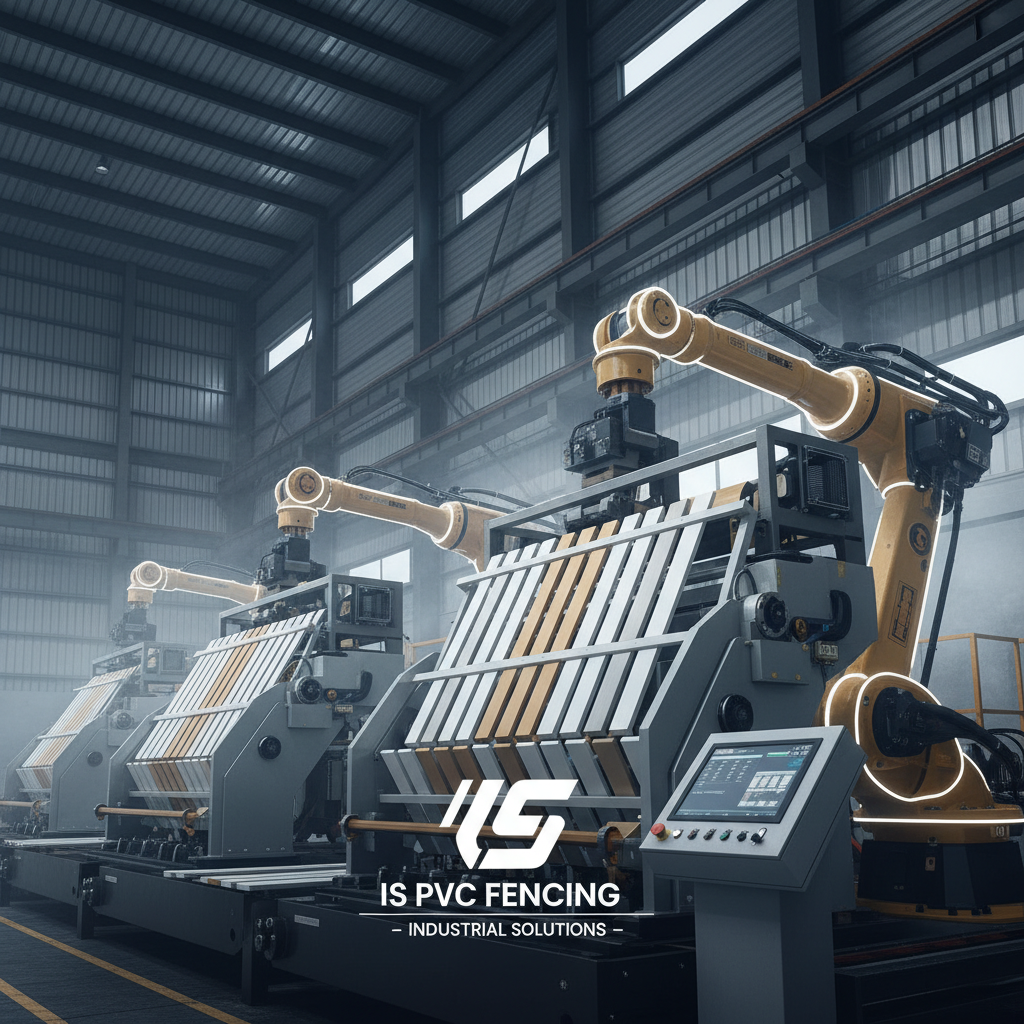
Another important aspect is the manufacturing process. Extruded PVC fencing, where the material is forced through a die to create the desired shape, tends to be more consistent and robust than alternatives. Consider the locking mechanisms used to join fence panels; sturdy, well-designed connections ensure structural integrity and prevent the fence from coming apart over time.
Performance Metrics for is pvc fencing any good
Applications Across Industries
The versatility of PVC fencing leads to its deployment across diverse industries. In residential settings, it's frequently used for property boundary marking, privacy screens, and pool enclosures. Commercial applications include perimeter security for industrial facilities, decorative fencing for retail spaces, and noise reduction barriers along highways.
Agricultural operations benefit from PVC fencing for livestock containment, protecting crops, and creating safe pasture boundaries. Its resistance to corrosion makes it ideal for farms near saltwater environments. In post-disaster relief operations, rapid deployment of PVC fencing can provide temporary security and define safe zones.
Long-Term Value & Advantages of is pvc fencing any good
The long-term value of PVC fencing stems from its minimal maintenance requirements. Unlike wood, it doesn't need to be stained, painted, or treated to prevent rot or insect damage. This translates into significant cost savings over the lifespan of the fence. Its durability and resistance to weathering also reduce the need for frequent repairs or replacements.
Beyond cost savings, PVC fencing offers aesthetic flexibility. It's available in a wide range of colors and styles, allowing homeowners and businesses to create a customized look that complements their property. The inherent safety features – the absence of splinters or sharp edges – add to its appeal, particularly for families with children. Considering the question "is pvc fencing any good" in terms of long-term benefit clearly points to a positive outcome.
Future Trends & Innovations in PVC Fencing
The future of PVC fencing is likely to be shaped by advancements in materials science and manufacturing techniques. We are already seeing the development of PVC compounds with enhanced UV resistance and impact strength. The incorporation of recycled materials into PVC fencing is also gaining traction, driven by increasing environmental awareness.
Innovations in design are leading to more realistic wood-grain textures and intricate picket profiles, blurring the lines between PVC and traditional fencing materials. Smart fencing systems, incorporating features like integrated lighting and security sensors, are also emerging as a potential trend. is pvc fencing any good and evolving technology are becoming intertwined.
Digital technologies are also influencing the industry, with online configurators allowing customers to visualize their fencing projects and receive customized quotes. These advancements are poised to further enhance the appeal and functionality of PVC fencing, solidifying its position as a leading fencing solution.
Table Summarizing Key Considerations for PVC Fencing Evaluation
| Material Composition |
Installation Complexity |
Maintenance Requirements |
Long-Term Cost |
| Percentage of virgin vs. recycled PVC |
Ease of DIY installation vs. professional help |
Frequency of cleaning and potential repairs |
Initial cost vs. lifecycle cost (including maintenance) |
| Presence of UV stabilizers and impact modifiers |
Need for specialized tools or equipment |
Resistance to fading, cracking, and warping |
Comparison to wood, metal, and other fencing materials |
| Thickness of PVC profiles (affecting strength) |
Potential for site preparation (leveling, digging) |
Susceptibility to mold or mildew growth |
Impact of local climate on durability |
| Compliance with industry standards and regulations |
Requirement for permits or approvals |
Availability of replacement parts and accessories |
Resale value of property with PVC fencing |
| Manufacturing process (extrusion vs. injection molding) |
Access to professional installation services |
Warranty coverage and claim process |
Insurance implications (e.g., liability for injuries) |
| Environmental impact of PVC production and disposal |
Local labor costs for installation |
Aesthetic appeal and style options |
Overall return on investment (ROI) |
FAQS
PVC fencing is remarkably resilient to a wide range of weather conditions. It's non-corrosive, meaning it won’t rust or rot like metal or wood, and it's resistant to cracking, fading, and warping from prolonged sun exposure. High-quality PVC formulations include UV inhibitors that further enhance its weather resistance. While extreme temperatures might cause some minor expansion or contraction, this typically doesn’t affect the structural integrity of the fence.
The environmental impact of PVC fencing is a complex topic. While PVC production does require energy and resources, it eliminates the need to harvest trees, which reduces deforestation. Furthermore, many PVC fencing manufacturers are now incorporating recycled materials into their products, lessening the reliance on virgin PVC. Wood fencing, on the other hand, often requires chemical treatments to prevent rot and insect damage, which can leach into the soil. Properly disposed of PVC fencing can also be recycled, contributing to a circular economy.
PVC fencing is generally considered easier to install than traditional wood or metal fencing, making it a viable DIY project for many homeowners. The lightweight nature of the materials simplifies handling and reduces the need for heavy lifting equipment. However, proper site preparation – including digging post holes and ensuring accurate alignment – is crucial for a professional-looking result. If you lack experience with fencing installation or are unsure about any aspect of the process, it’s always best to hire a qualified contractor.
A properly installed and maintained PVC fence can easily last 20-30 years, and in some cases even longer. Its resistance to rot, corrosion, and insect damage contributes to its exceptional longevity. Unlike wood, which requires regular staining or painting, PVC fencing requires minimal maintenance, further extending its lifespan. The durability of the fence will depend on the quality of the materials used, the installation method, and the local climate.
The initial cost of PVC fencing can be slightly higher than some traditional wood fencing options, but it’s often comparable to or lower than the cost of metal fencing like aluminum or wrought iron. However, when you factor in the long-term maintenance costs – including staining, painting, repairs, and replacements – PVC fencing often proves to be the most cost-effective solution over its lifespan. Its durability and low maintenance requirements translate into significant savings over time.
While PVC fencing is available in a wide range of colors, it can be painted if desired. However, it's crucial to use a paint specifically formulated for PVC, as standard paints may not adhere properly. Proper surface preparation, including cleaning and priming, is also essential for a lasting finish. Keep in mind that painting PVC fencing may void the manufacturer’s warranty, so it’s important to check the warranty terms before proceeding.
Conclusion
In conclusion, the question "is pvc fencing any good" is best answered with a resounding yes, for many applications. Its durability, low maintenance requirements, and aesthetic versatility make it a compelling alternative to traditional fencing materials. From residential properties seeking privacy and security to commercial facilities requiring robust perimeter protection, PVC fencing offers a cost-effective and long-lasting solution.
Looking ahead, innovations in materials science and manufacturing techniques will further enhance the performance and sustainability of PVC fencing. As environmental awareness grows, the demand for recycled PVC products will likely increase. For those seeking a reliable, low-maintenance, and aesthetically pleasing fencing option, PVC fencing remains an excellent choice. Visit our website at www.lanyewiremesh.com to explore our range of PVC fencing solutions.