Steel wire types are fundamental components across a vast array of industries, from construction and automotive to medical and aerospace. Their versatility stems from the diverse range of materials, finishes, and mechanical properties achievable through manufacturing processes. Understanding the intricacies of different steel wire types is crucial for engineers, designers, and procurement professionals aiming to optimize performance, durability, and cost-effectiveness in their applications.
The global demand for steel wire is inextricably linked to infrastructural development, manufacturing output, and technological advancements. According to the World Steel Association, global steel production reached nearly 1.9 billion tonnes in 2023, a significant portion of which is ultimately processed into wire. This demand is particularly pronounced in rapidly industrializing nations, driving innovation in wire production techniques and material science.
The increasing need for lightweight, high-strength materials presents a continuing challenge and opportunity. Steel wire types are evolving to meet these requirements, with new alloys and treatments emerging to enhance performance characteristics. The efficient and reliable delivery of critical infrastructure, products, and services relies heavily on the consistent quality and availability of these essential materials.
Introduction to steel wire types
The landscape of steel wire types is incredibly diverse, encompassing materials ranging from low-carbon steel to high-strength alloys and stainless steels. Each type is tailored to specific applications, with properties like tensile strength, ductility, corrosion resistance, and fatigue life being carefully controlled during the manufacturing process. Proper selection is critical for ensuring the optimal performance and longevity of the final product.
Different production methods, such as cold drawing, hot rolling, and wire extrusion, also contribute to the characteristics of the finished steel wire. These processes influence grain structure, surface finish, and overall mechanical properties. steel wire types are often further treated through coatings, heat treatments, and surface modifications to enhance their functionality and resistance to environmental factors.
Defining Steel Wire Types
Steel wire types can be defined as metallic strands, typically cylindrical in shape, produced by drawing a solid steel rod through a series of dies to reduce its diameter. The resulting wire possesses a high tensile strength-to-weight ratio, making it ideal for applications where both strength and flexibility are required. This process allows for a wide range of diameters, from extremely fine wires used in electronics to thicker wires employed in structural applications.
The categorization of steel wire types often relies on their chemical composition, mechanical properties, and intended use. For example, high-carbon steel wire is known for its strength and hardness, while stainless steel wire offers superior corrosion resistance. The specific alloy composition dictates the wire’s response to various environmental conditions and stresses.
In a broader sense, steel wire types connect directly to modern industry and humanitarian needs. From the cables supporting bridges to the reinforcement within concrete structures, and even the sutures used in medical procedures, these materials play a vital role in enhancing safety, functionality, and quality of life.
Core Properties of Steel Wires
Durability is a cornerstone of steel wire types, ensuring long-term reliability and minimal maintenance requirements. The ability to withstand repeated stress, fatigue, and environmental exposure is paramount, particularly in critical applications like bridge cables and suspension systems. Careful selection of materials and manufacturing processes enhances the lifespan of the wire, reducing the need for frequent replacements.
Tensile strength, measuring the wire's resistance to breaking under tension, is a critical factor in many applications. High tensile strength allows for the use of smaller diameter wires, reducing weight and material costs without compromising structural integrity. Different steel alloys and heat treatments can significantly impact tensile strength.
Corrosion resistance is crucial for applications exposed to harsh environments, such as marine structures or outdoor infrastructure. Stainless steel wire types, containing chromium and other alloying elements, provide exceptional resistance to rust and corrosion, extending the lifespan of the wire and reducing the risk of failure. Coatings like galvanization can also enhance corrosion protection.
Applications Across Industries
Steel wire types are ubiquitous in the construction industry, used for reinforcing concrete, pre-stressing cables, and structural support systems. High-strength steel wire is essential for ensuring the stability and safety of buildings, bridges, and tunnels. The automotive sector relies on steel wire for tire reinforcement, engine components, and safety systems.
The manufacturing sector leverages steel wire in a multitude of applications, including springs, fasteners, and automated machinery. Medical devices, such as surgical instruments and orthopedic implants, often utilize specialized steel wire types due to their biocompatibility and high strength. In remote industrial zones, the dependable performance of steel wire is critical to maintaining operational efficiency.
Comparative Strength of Various steel wire types
Advantages & Long-Term Value
The cost-effectiveness of steel wire types, particularly when considering their lifespan and durability, represents a significant advantage. Compared to alternative materials like polymers or composites, steel often offers a lower total cost of ownership, especially in applications requiring high strength and reliability.
Sustainability is increasingly important, and steel is readily recyclable, minimizing environmental impact. The responsible sourcing of raw materials and the implementation of energy-efficient manufacturing processes further enhance the sustainability profile of steel wire products. The use of recycled steel reduces the demand for virgin materials, conserving natural resources.
Future Trends in Steel Wire Manufacturing
Advancements in alloy development are leading to the creation of new steel wire types with enhanced properties, such as increased strength, improved corrosion resistance, and greater flexibility. Nanotechnology is also playing a role, with the incorporation of nanoparticles to modify the wire’s microstructure and enhance its performance characteristics.
Digital transformation is revolutionizing manufacturing processes, enabling greater control over wire quality and consistency. Automated production lines, coupled with real-time monitoring and data analytics, allow for the optimization of manufacturing parameters and the detection of defects, leading to improved efficiency and reduced waste.
Challenges and Mitigation Strategies
One significant challenge is the potential for corrosion, particularly in harsh environments. Mitigation strategies include the use of corrosion-resistant alloys, protective coatings, and regular inspection and maintenance programs. Careful selection of materials and proper surface treatment can significantly extend the lifespan of steel wire in corrosive environments.
Maintaining consistent quality control across the entire manufacturing process is also crucial. Implementing rigorous testing procedures, employing skilled technicians, and adhering to industry standards are essential for ensuring the reliability and performance of steel wire products.
Supply chain disruptions can impact the availability and cost of raw materials. Diversifying sourcing options and establishing strong relationships with suppliers can help mitigate these risks. Investing in local manufacturing capabilities can also enhance supply chain resilience.
Summary of Challenges and Mitigation Strategies for steel wire types
| Challenge |
Severity (1-10) |
Mitigation Strategy |
Implementation Cost (1-10) |
| Corrosion |
8 |
Corrosion-resistant alloys, coatings |
6 |
| Quality Control |
7 |
Rigorous testing, skilled technicians |
5 |
| Supply Chain Disruptions |
6 |
Diversified sourcing, local manufacturing |
7 |
| Fatigue Failure |
5 |
Improved material selection, stress relief treatments |
4 |
| High Production Costs |
4 |
Automated processes, efficient resource utilization |
8 |
| Environmental Impact |
3 |
Recycling, sustainable sourcing |
3 |
FAQS
High-carbon steel wire contains a greater percentage of carbon, resulting in increased hardness, tensile strength, and wear resistance. However, it's less ductile and more brittle. Low-carbon steel wire, conversely, possesses lower strength but is significantly more ductile and weldable, making it suitable for applications requiring forming and bending. The optimal choice depends on the specific application's requirements, balancing strength with flexibility.
Galvanization involves coating steel wire with a protective layer of zinc, providing exceptional corrosion resistance. Zinc acts as a sacrificial anode, corroding in preference to the underlying steel, thus protecting it from rust and environmental damage. This process significantly extends the lifespan of the wire, especially in outdoor or harsh environments.
Stainless steel wire is widely used in medical applications due to its biocompatibility, corrosion resistance, and sterilizability. It is used in surgical instruments, orthodontic wires, sutures, and implants, ensuring patient safety and preventing adverse reactions. Different grades of stainless steel offer varying levels of corrosion resistance and mechanical properties.
The cost of steel wire is influenced by several factors, including the price of raw materials (iron ore, alloying elements), manufacturing processes, wire diameter, alloy composition, and quantity ordered. Market conditions, transportation costs, and tariffs can also play a role. Choosing the right steel wire type and sourcing from reputable suppliers can help optimize cost-effectiveness.
Tensile strength is typically measured through a standardized tensile test. A sample of steel wire is subjected to a controlled tensile load until it fractures. The maximum stress the wire can withstand before breaking is recorded as its tensile strength, usually expressed in megapascals (MPa) or pounds per square inch (psi).
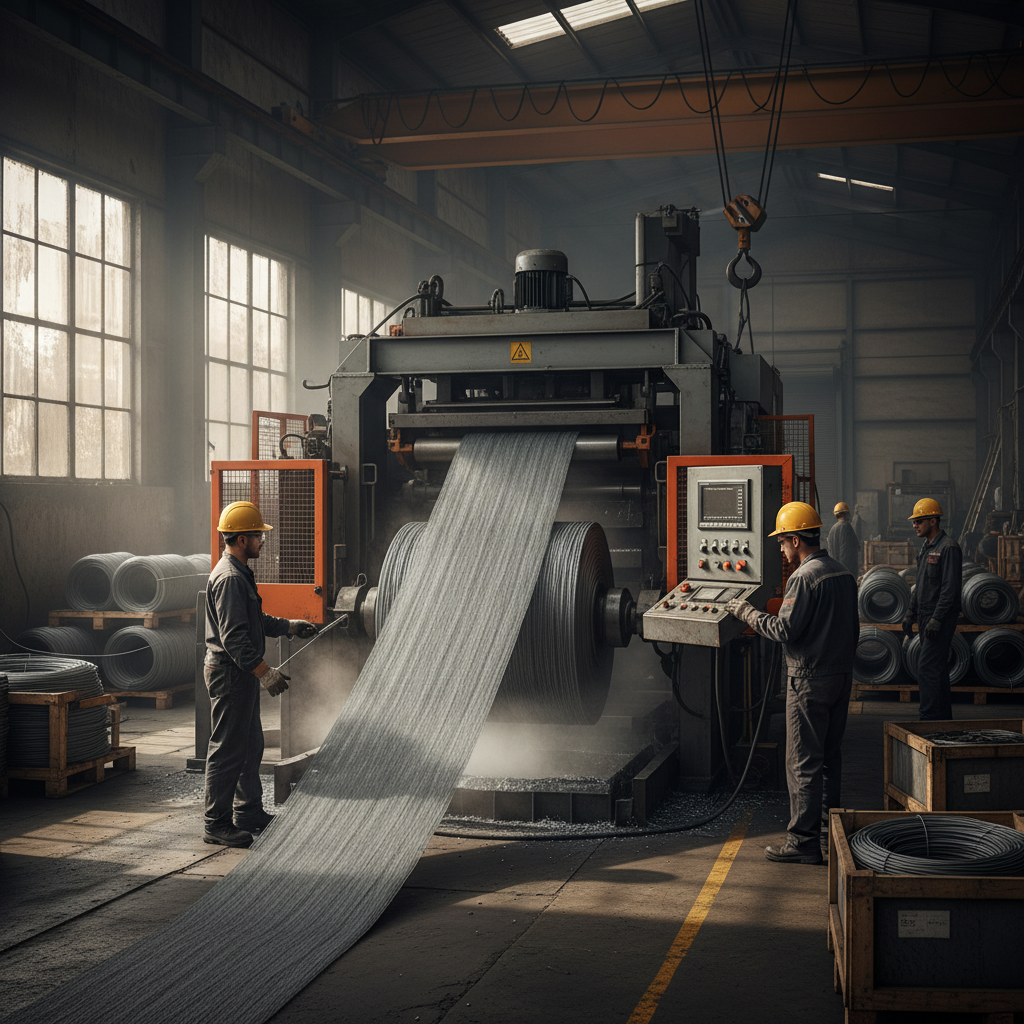
Wire drawing is a fundamental process in steel wire production. It involves pulling the steel through a series of progressively smaller dies, reducing its diameter and increasing its length. This process refines the grain structure, improves strength and surface finish, and allows for precise control over the wire's dimensions. It's a critical step in achieving the desired mechanical properties.
Conclusion
In conclusion, steel wire types are essential materials underpinning a vast range of industries and applications, providing strength, durability, and reliability. Understanding the nuances of different steel alloys, manufacturing processes, and performance characteristics is crucial for selecting the optimal wire for specific needs. The continuous innovation in materials science and manufacturing techniques promises even more advanced and versatile steel wire solutions in the future.
Looking ahead, the focus will likely be on developing more sustainable and environmentally friendly steel wire production methods, along with creating alloys that offer even higher strength-to-weight ratios and improved corrosion resistance. Further research into nanotechnology and advanced coatings will undoubtedly unlock new possibilities for enhancing the performance and extending the lifespan of these critical materials. For reliable, high-quality steel wire types, visit our website: www.lanyewiremesh.com