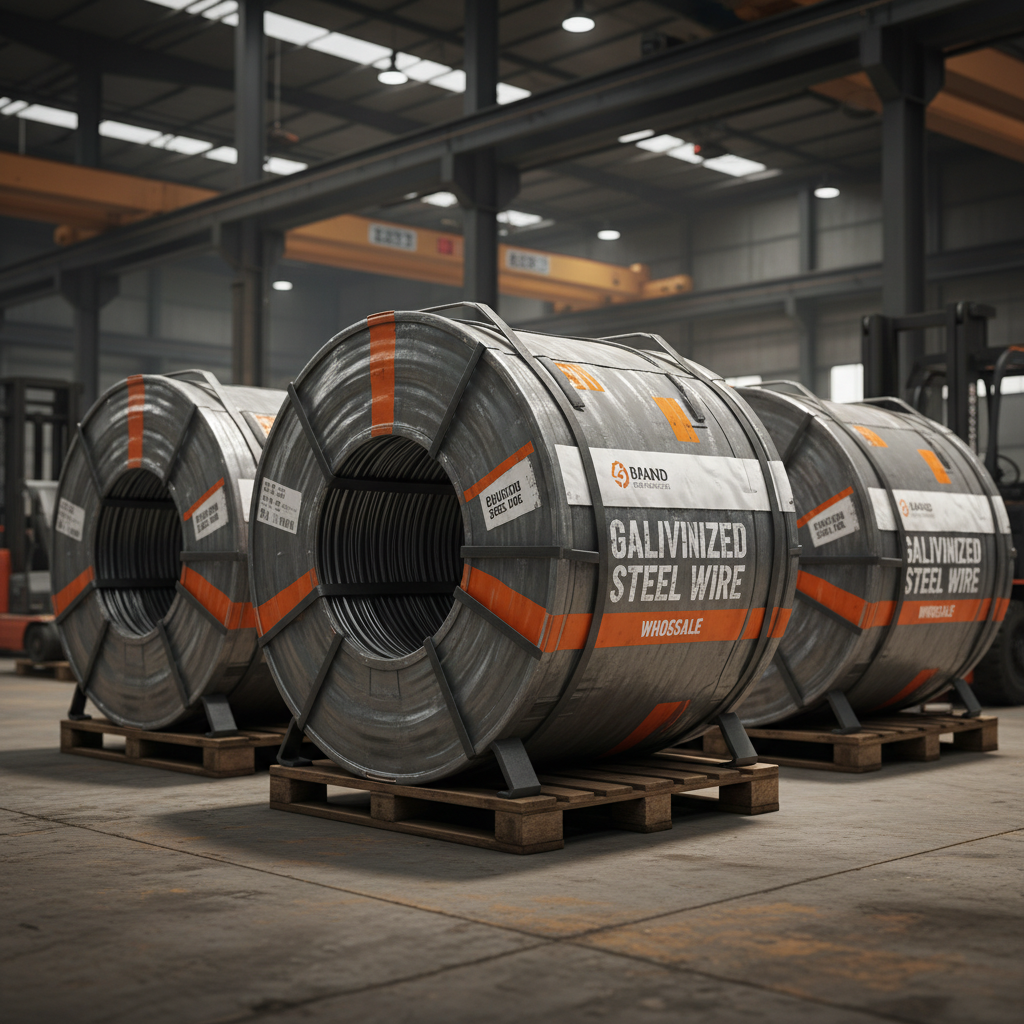
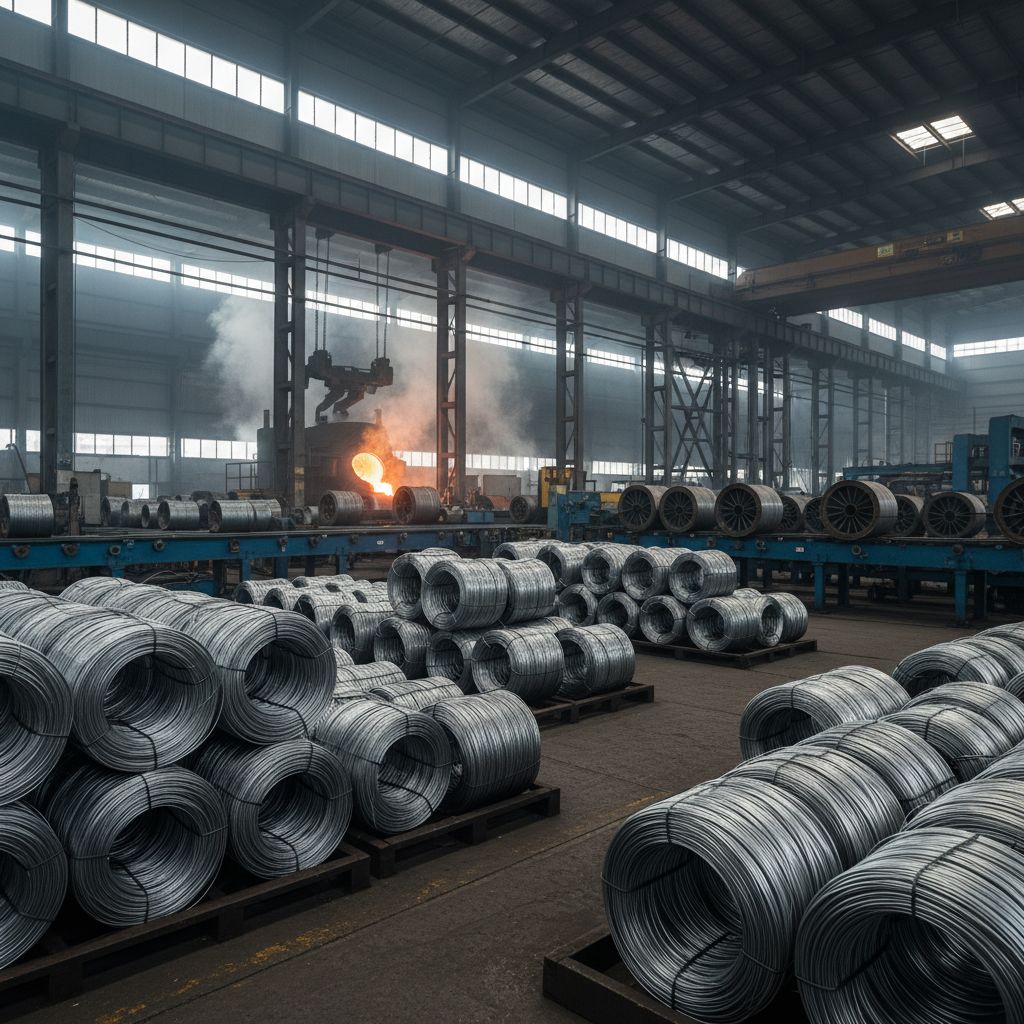
You know, I've been running around construction sites all year, getting my hands dirty with materials. Concertina wire manufacturers... it's a surprisingly hot topic these days. Everyone's talking about perimeter security, not just for big industrial sites, but even smaller businesses are realizing they need better protection. To be honest, the demand has really picked up in the last couple of years. It's not just about keeping people out, it’s about deterring them in the first place, and that’s where the newer designs are really making a difference.
Have you noticed how everyone's obsessed with 'smart' security now? Cameras, sensors, the whole nine yards. But a good old-fashioned physical barrier still holds a lot of weight. It's the first line of defense, right? And it doesn't need a power supply or a software update. Seems simple, but getting it right…that’s the tricky part.
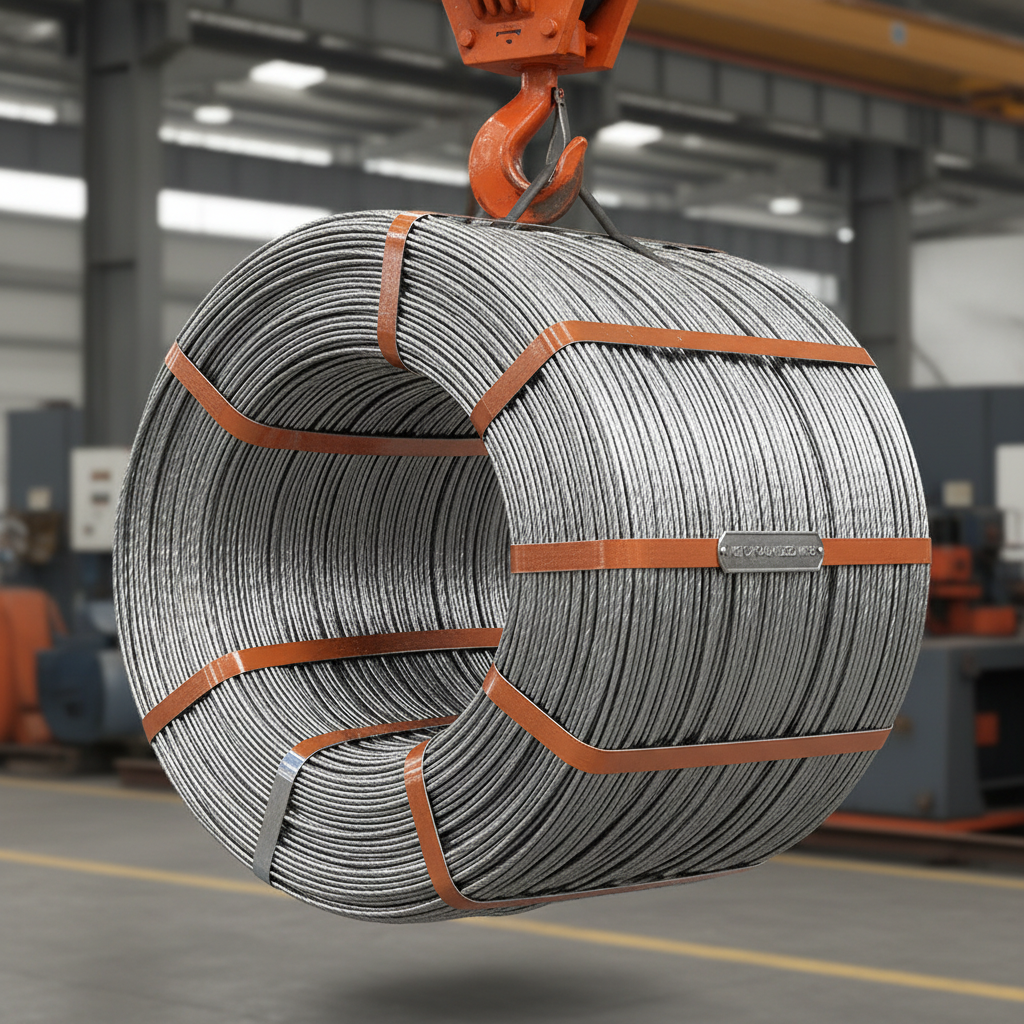
It’s funny, you spend all this time thinking about tensile strength and corrosion resistance in the office, and then you get out on site and it’s about how easily the guys can handle it. That’s why we’ve been shifting towards using heavier gauge galvanized steel, sometimes with a PVC coating. The smell when you unroll a new coil is…distinctive, let me tell you. It’s a metallic tang mixed with the plastic. Not pleasant, but it means the galvanization is solid.
The Evolving Landscape of concertina wire manufacturers
Strangely enough, a lot of innovation isn't happening in the wire itself, but in the clipping mechanisms. The way the coils are joined together is critical. You want something strong, obviously, but also something that won't shred gloves or get caught on clothing during installation. We’ve been experimenting with different clasp designs, trying to find that sweet spot between security and usability. And honestly, the demand for low-profile concertina wire – the stuff that’s harder to spot – is through the roof.
It’s all driven by this increasing need for discreet security. People don’t want to look like they're preparing for a siege. They just want to be able to sleep at night knowing their property is protected.
Design Pitfalls and Common Mistakes
I encountered this at a factory in Tianjin last time. They were making concertina wire with incredibly tight coils, thinking it would be extra secure. It looked impressive, but it was a nightmare to install. The guys kept getting their hands stuck, and the coils kept buckling. Turns out, a little bit of give is actually a good thing. It allows the wire to conform to uneven terrain and makes it less likely to be defeated with bolt cutters. Another common mistake? Using cheap staples to attach the wire to posts. They rust, they break, and the whole thing falls apart. It's penny-wise and pound-foolish.
And don't even get me started on the 'decorative' concertina wire I saw a couple of months ago. Someone thought it would be a good idea to paint it bright colors. Yeah, it definitely stood out…but not in a way that deterred anyone. It just looked…tacky. Security isn’t about aesthetics, it’s about functionality.
Another one...people underestimate the importance of proper grounding. Especially with steel wire. If it's not properly grounded, it can become a conductor, and that's a recipe for disaster during a lightning storm. Really, really bad.
Material Science: What's Really Important
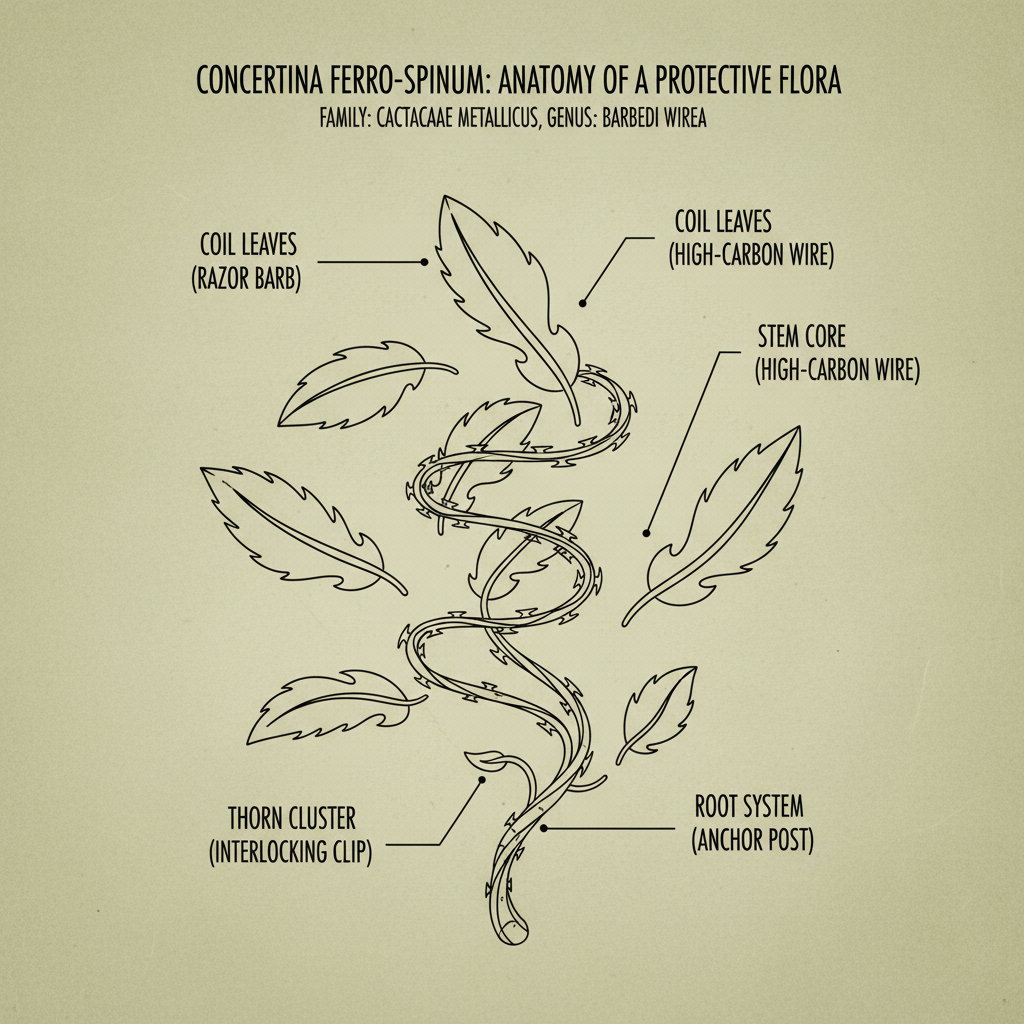
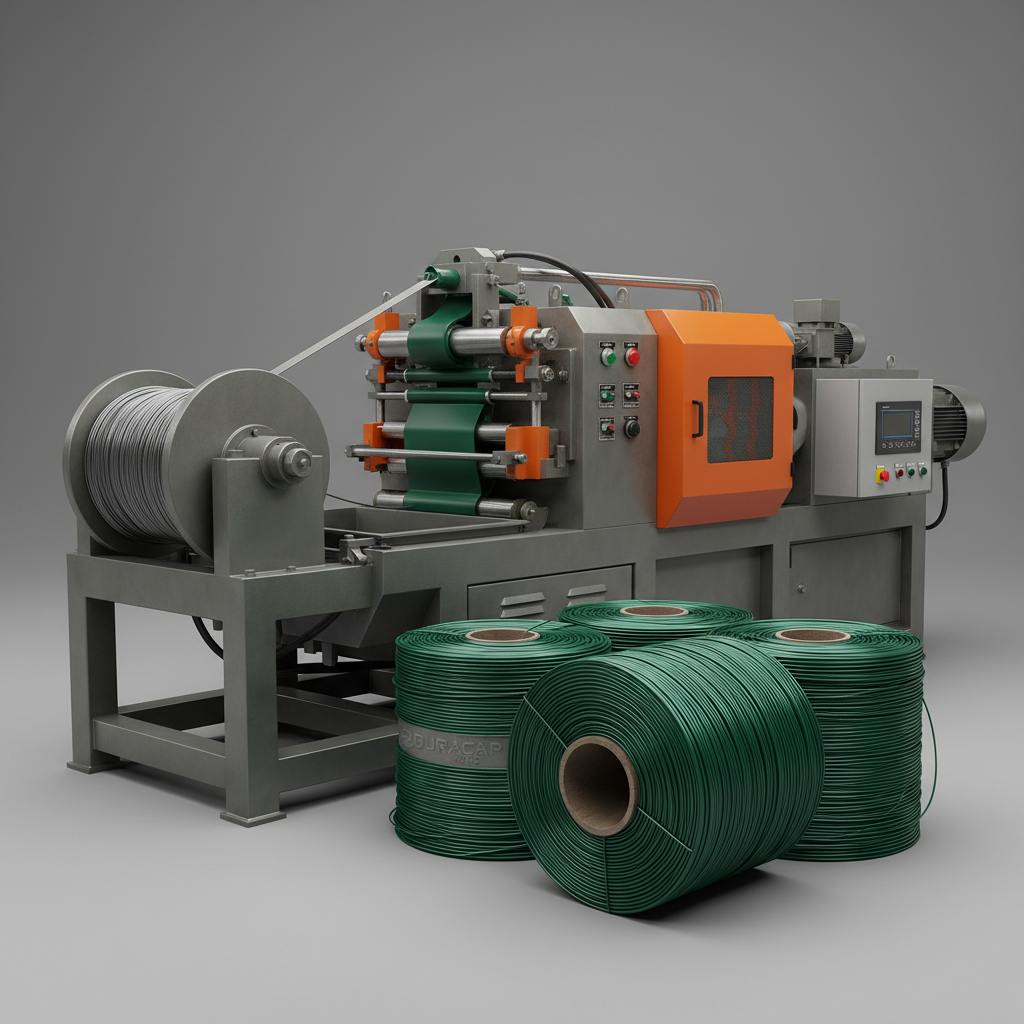
The core material, obviously, is steel. But it’s not just any steel. You need high-carbon steel with a good tensile strength, and the galvanization process is absolutely crucial. A cheap galvanization will flake off in a year or two, leaving the steel exposed to the elements. We spec out a minimum zinc coating thickness, and we do regular salt spray tests to make sure it holds up. Then you've got the PVC coating, which adds another layer of protection and makes it easier to handle. It feels...plasticky, obviously, but it's worth it.
We’ve been looking into stainless steel options, but the cost is prohibitive for most applications. It’s incredibly durable, and it doesn’t need galvanization, but it’s just too expensive for large-scale perimeter security. Plus, even stainless steel can be cut with the right tools. There’s no magic bullet. It's about layering defenses and making it as difficult as possible for someone to get through.
And don’t underestimate the importance of the wire diameter. Thicker wire is more difficult to cut, but it’s also heavier and more expensive. It’s a balancing act. You have to consider the threat level and the budget. For low-security applications, a thinner wire might be sufficient. But for high-security applications, you need to go with something thicker.
Real-World Testing and Performance
Forget the lab tests. Those are useful for baseline data, sure, but they don’t tell you how the wire will perform in the real world. We do field testing – installing sections of wire in exposed locations and letting them sit for months, even years. We check for corrosion, wear and tear, and resistance to cutting. We also bring in guys with bolt cutters and try to break it. Brutal, but necessary.
I once saw a section of concertina wire that had been completely bypassed because the ground was too soft. The wire just sank into the mud, creating a gap underneath. That taught us a valuable lesson about the importance of proper foundation work. You need a solid base to prevent the wire from being compromised.
Concertina Wire Manufacturers Performance Metrics
How Concertina Wire is Actually Used
It's not always what you think. A lot of people picture high-security prisons, and yeah, that's a big market. But we also sell a ton to farmers protecting livestock, businesses securing storage yards, and even homeowners trying to deter burglars. The applications are surprisingly diverse. They don't always want the razor-sharp stuff, either. Some just want the visual deterrent.
I’ve seen some pretty creative uses, too. One guy used it to create a makeshift barrier around his beehives to protect them from bears. Another used it to secure a construction site during the off-season. People are resourceful, that’s for sure.
Advantages, Disadvantages, and Trade-offs
Okay, the advantages are obvious: it’s relatively inexpensive, it’s effective at deterring intruders, and it’s pretty easy to install. But it’s not perfect. It's not a foolproof solution. Determined individuals can still get through it, especially with the right tools. And it’s not exactly aesthetically pleasing. It looks…aggressive. There's a reason some communities have restrictions on its use.
And then there’s the safety issue. It’s dangerous stuff. You have to be careful during installation and maintenance. We always recommend wearing heavy gloves and eye protection. And you definitely don't want it within reach of children.
Anyway, I think the biggest trade-off is between cost and effectiveness. You can spend a fortune on a high-tech security system, but a well-installed concertina wire barrier can often provide a comparable level of protection at a fraction of the cost.
Customization and Specific Applications
We get a lot of requests for customization. Last month, that small boss in Shenzhen who makes smart home devices insisted on changing the interface to – I mean, on the wire itself, creating a clip design compatible with ports. The result was a total mess. It looked ridiculous, and it didn't even work properly. Sometimes, you just have to say no.
More realistically, we do a lot of custom lengths and coil diameters. Sometimes, clients need the wire to conform to a specific shape or fit into a tight space. We also offer different types of coatings, including PVC and polyethylene, to match the surrounding environment. We've even done some work with camouflage patterns for military applications.
One interesting request was for concertina wire with embedded fiber optic cable for intrusion detection. That was a fun project. It added a whole new layer of security, but it also significantly increased the cost.
A Summary of Customization Options for Concertina Wire Manufacturers
| Customization Aspect |
Complexity Level (1-5) |
Cost Impact (Low, Medium, High) |
Typical Application |
| Length Adjustment |
1 |
Low |
Standard perimeter security |
| Coil Diameter Modification |
2 |
Medium |
Conforming to uneven terrain |
| Coating Color/Type |
2 |
Medium |
Aesthetic integration with environment |
| Material Composition (Steel Grade) |
3 |
High |
High-security applications |
| Embedded Sensors/Cabling |
4 |
High |
Advanced intrusion detection systems |
| Custom Clip/Connector Designs |
5 |
High |
Specialized installation requirements |
FAQS
In a coastal environment, the lifespan is significantly reduced due to salt spray corrosion. Even with high-quality galvanization, you’re looking at maybe 5-7 years before significant degradation occurs. Regular inspections and maintenance – cleaning and re-coating – are essential. We recommend a heavier gauge wire and a more robust coating specifically designed for marine environments. It’s also important to ensure proper grounding to prevent galvanic corrosion.
Legal considerations vary widely depending on your location. Many jurisdictions have restrictions on the height, placement, and warning signage required for concertina wire. Some areas may prohibit its use altogether. It’s crucial to check local ordinances and obtain any necessary permits before installing it. You also need to consider liability issues – if someone gets injured on your property, you could be held responsible.
The gauge of the wire directly impacts its resistance to cutting and bending. Thicker gauge wire is harder to cut with standard bolt cutters, but it's also more expensive and heavier to install. A thinner gauge wire is easier to cut but offers a lower level of security. The optimal gauge depends on the specific threat level and budget. Generally, we recommend a minimum of 2.5mm for most applications.
A solid foundation is critical for preventing the wire from being bypassed or collapsing. Concrete footings are the most reliable option, but they can be expensive and time-consuming to install. Alternatively, you can use sturdy metal posts embedded in the ground with concrete. The depth of the posts should be sufficient to withstand wind loads and prevent them from being pulled up.
Concertina wire is a deterrent, but a determined climber can likely overcome it, especially with proper equipment. The effectiveness relies on the height of the barrier, the density of the coils, and the surrounding terrain. Combining concertina wire with other security measures – such as anti-climb paint and surveillance cameras – provides a more comprehensive solution.
Regular maintenance is crucial for ensuring the long-term effectiveness of concertina wire. This includes inspecting the wire for corrosion, damage, and sagging. Any damaged sections should be repaired or replaced immediately. Vegetation growth around the base of the wire should be trimmed to prevent it from being used as a ladder. And, of course, regular cleaning to remove dirt and debris is recommended.
Conclusion
Ultimately, whether this thing works or not, the worker will know the moment he tightens the screw. Concertina wire manufacturers face a constant challenge: balancing security, cost, and usability. It’s not just about making a product; it’s about understanding the real-world conditions where it will be used and adapting to the evolving needs of the market. From material science to installation techniques, every detail matters.
Looking ahead, I think we'll see more innovation in smart security integration, with concertina wire playing a role as a physical layer within a broader system. And, frankly, I wouldn’t be surprised if we start seeing more sustainable materials being used in the manufacturing process. The demand for effective perimeter security isn't going anywhere, so we need to keep pushing the boundaries of what’s possible.