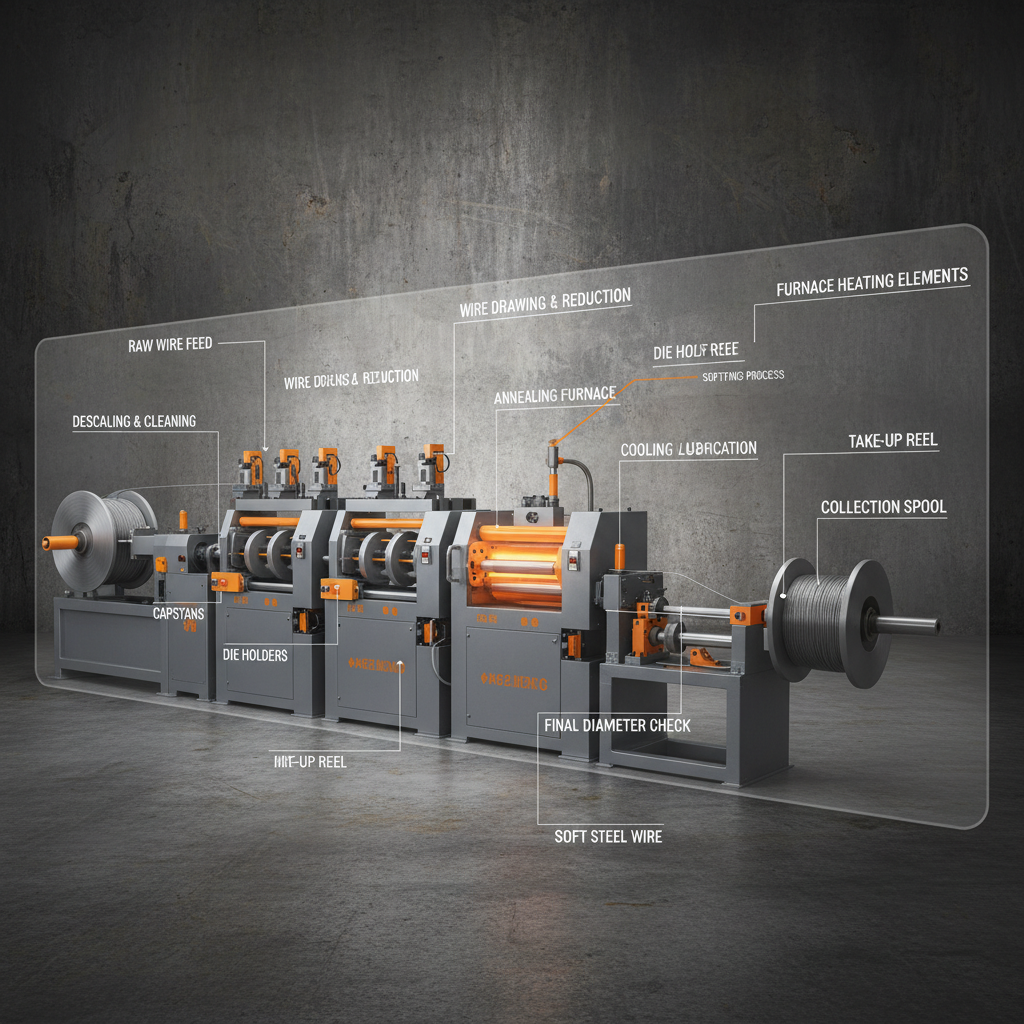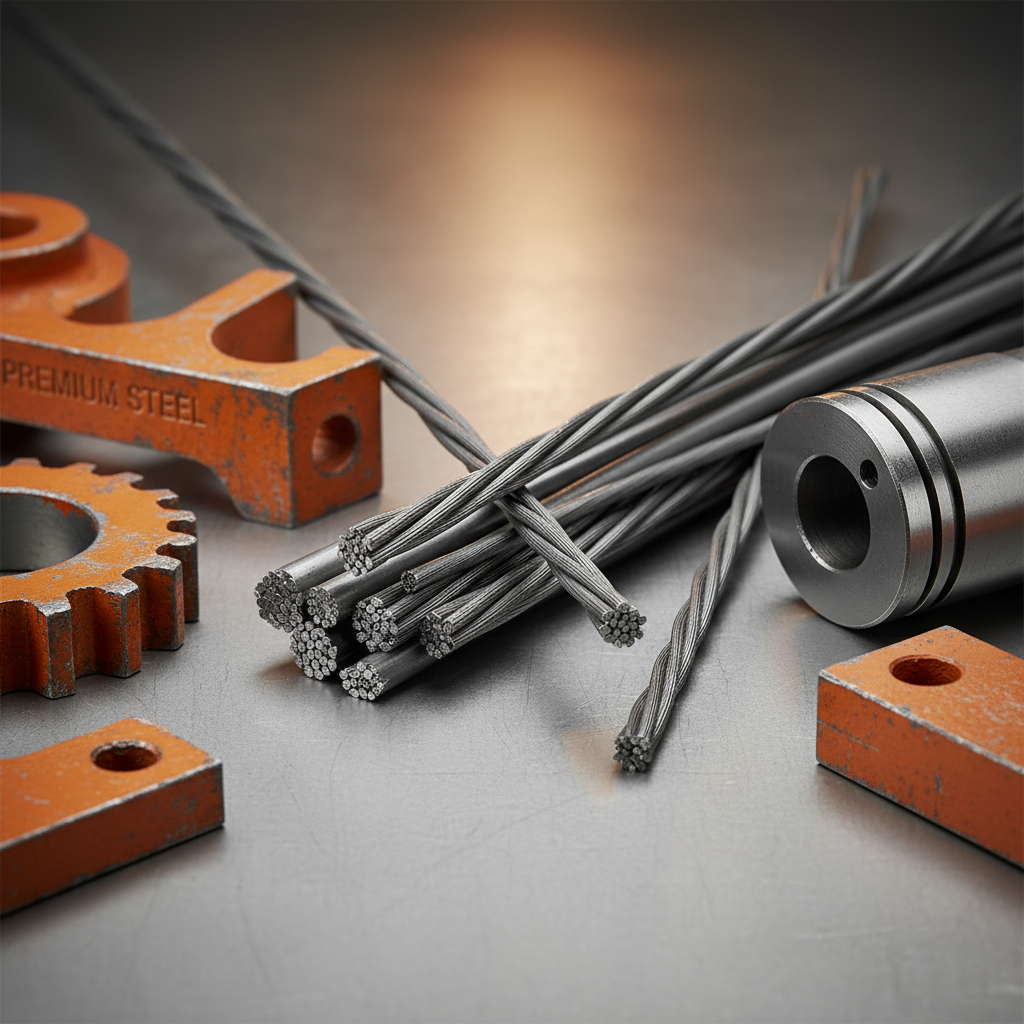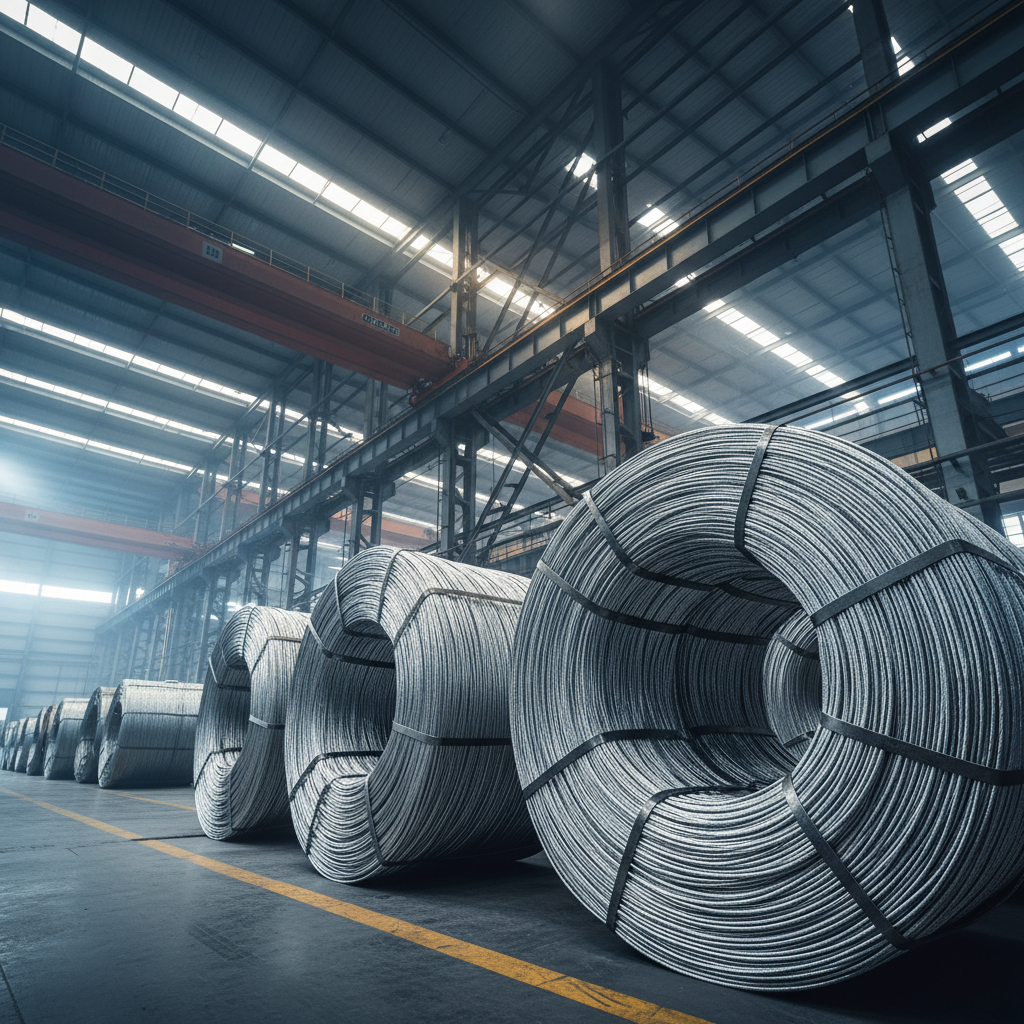
Look, wire nail manufacturers… it’s not glamorous, okay? Been doing this for fifteen years, and honestly, it’s the unsexy backbone of everything. You wouldn't believe how many projects hinge on getting the nails right. It's shifted a lot, though. Used to be all about price, cheapest possible. Now? Everyone’s chasing high strength, corrosion resistance, and… strangely, aesthetics.
Have you noticed how everyone wants galvanized now? Not just for outdoor stuff anymore, but even interior projects. They think it looks better. Go figure. And the demand for specialty nails - ring shank, screw shank, even plastic-coated – it's gone through the roof. It's not just hammering anymore; it's about specific applications and performance.
I tell you, the biggest headache is still convincing people that the cheapest nail isn't always the best. They see a box of nails and think ‘nails are nails.’ They don’t realize the steel quality, the coating thickness, the shank design… it all makes a world of difference. It really does.

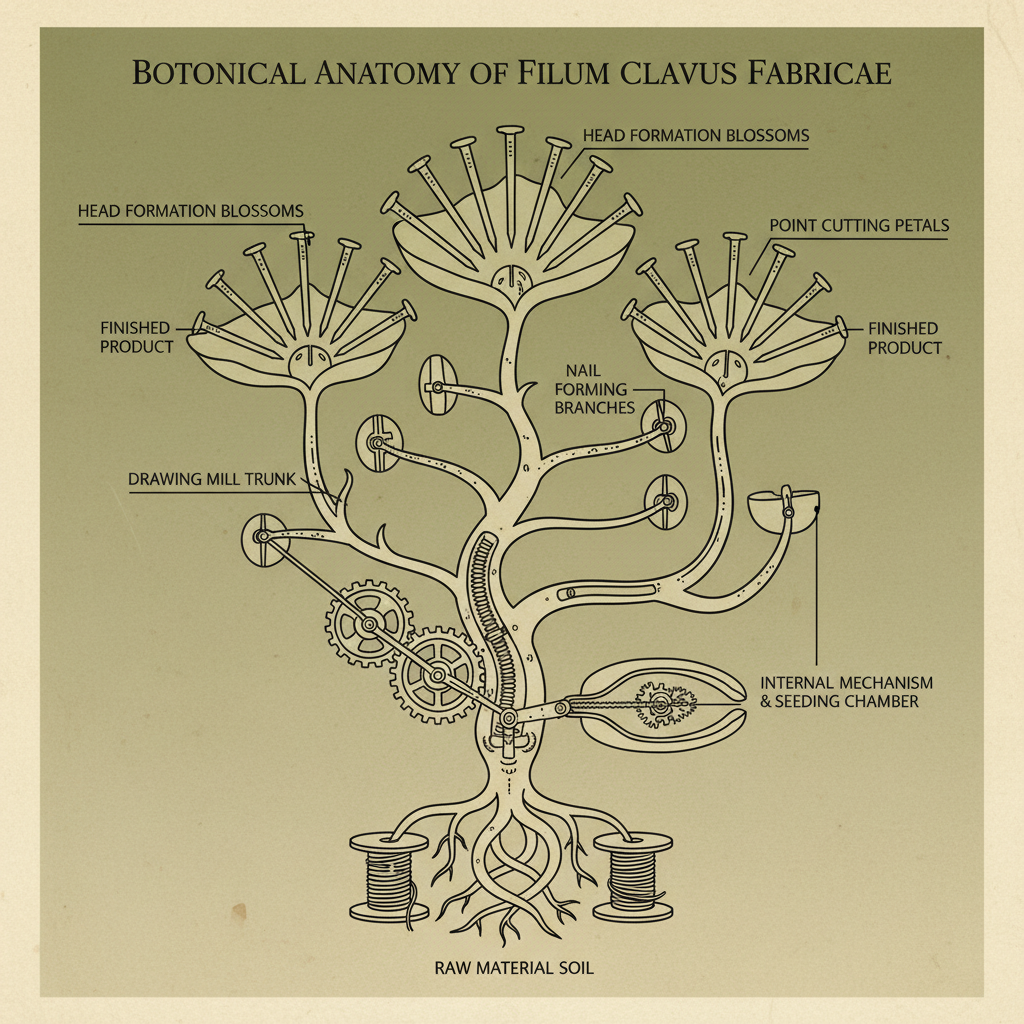
To be honest, the biggest trend I’m seeing is a push for sustainable sourcing. Everyone's talking about recycled steel. It’s good, don’t get me wrong, but it can be tricky. You gotta watch the quality control; recycled steel can have inconsistencies. I encountered this at a factory in Jiangsu Province last time - batch after batch with varying tensile strength. Nightmare.
A common pitfall? People skimping on the coating. Galvanization is expensive, and there’s a temptation to use a thinner layer. That’s a recipe for rust, especially in coastal areas. And don’t even get me started on the cheap imports… you think you’re saving money, but you’re just paying for headaches down the line.
Smooth shank nails are general purpose and easier to drive, but they’re more likely to pull out. Ring shank nails have ridges that grip the wood fibers much better, providing a stronger hold. For most structural applications, ring shank is the way to go, even if it takes a bit more effort to drive them in. They are less prone to loosening over time, making them ideal for framing and projects requiring lasting support.
Hugely important. The gauge dictates the nail's strength and its ability to resist bending and breaking. Thicker nails (lower gauge number) are used for heavier-duty applications like framing, while thinner nails (higher gauge number) are suitable for finish work and trim. Using the wrong gauge can lead to structural failures, so always check building codes and project requirements.
Galvanization is the process of applying a protective zinc coating to steel to prevent rust and corrosion. It's crucial for outdoor projects or any application where the nails will be exposed to moisture. There are different types of galvanization – hot-dip galvanization provides the thickest and most durable coating, whereas electro-galvanization is thinner. Always specify the type of galvanization needed for your project.
Stainless steel nails are significantly more expensive than galvanized nails, but they offer superior corrosion resistance, especially in saltwater environments or when in contact with chemically treated lumber. If you're building a deck, a fence near the ocean, or a structure using cedar or redwood, stainless steel nails are a worthwhile investment to prevent unsightly rust stains and structural weakening.
Nail guns are much faster and more efficient than hammering, especially for large projects. They also require less physical effort, reducing fatigue. However, they can be more expensive to purchase and maintain, and it’s crucial to use the correct nail type and pressure settings to avoid damaging the wood or causing the nail to misfire. Safety is also paramount – always wear safety glasses and follow manufacturer instructions.
The key is to keep them dry. Store nails in a sealed container or bag in a cool, dry place. Avoid storing them in damp basements or sheds where moisture can accumulate. If you notice any rust starting to form, you can try brushing it off and applying a rust-inhibiting spray. Proper storage can significantly extend the lifespan of your nails.
Ultimately, wire nail manufacturers isn't about fancy technology or groundbreaking innovation. It's about delivering a reliable product that does its job quietly and effectively. It’s about getting the materials right, understanding the application, and paying attention to the details. From material selection to real-world testing, every step matters.
And in the end, whether this thing works or not, the worker will know the moment he tightens the screw. That’s the truth of it. It's a simple trade, really. Solid materials, solid construction, and a little bit of common sense. Visit our website at www.lanyewiremesh.com for all your nail needs.

Contact Us Now. 100% Customer Satisfaction Guaranteed
Newsletter