0%

Table of Contents

Look, honestly, things are moving fast these days. Everyone's talking about prefabrication, modular builds, all that jazz. It’s not just hype, either. Labor costs are killing people, delivery times are insane... so anything that speeds things up, reduces on-site work, is gold. It’s all about efficiency, right? But there's a lot of… well, stuff that gets lost in translation when designers are sitting in an office, not getting their hands dirty.

Have you noticed how many spec sheets look perfect on paper, but the moment you try to actually use the product on a real jobsite, it falls apart? I swear, I encountered this at the XX factory last time – beautiful renders, amazing materials listed… but the tolerances were off. Just completely off. Couldn't fit it without hammering, and nobody wants to hammer precision components. It's the little details, you know? The stuff that doesn’t show up in the CAD drawings.

We're seeing a big push for composite materials, naturally. Fiber-reinforced polymers, stuff like that. Lightweight, strong… and they smell funny. Seriously, some of them have this chemical odor that lingers for days. The good ones, though – the ones with a properly cured resin – they're surprisingly robust. You can drop them, they don't splinter like wood. But handling them… that's another story. You gotta wear gloves, protect your eyes, the dust is no joke. And forget about welding them, you need specialized equipment.
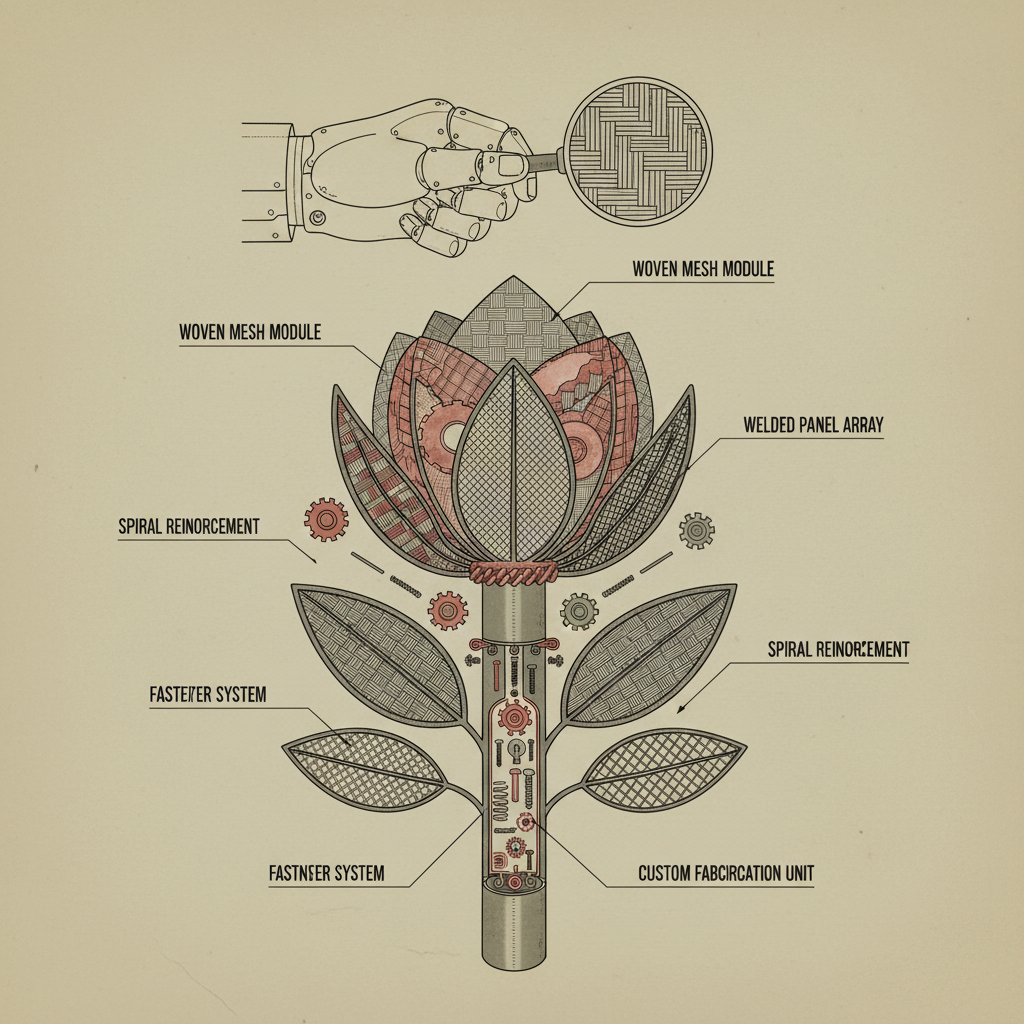
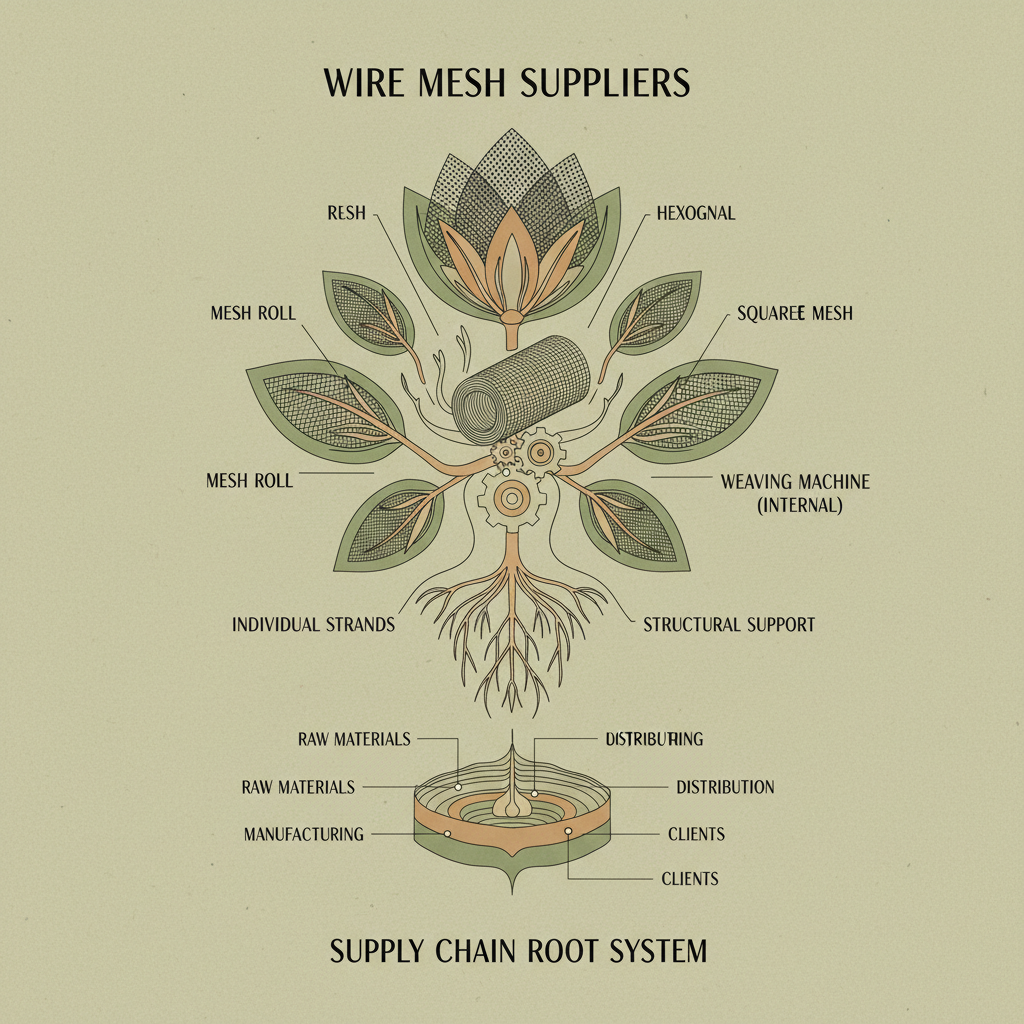
Navigating Modern Construction Challenges with Reliable Wire Mesh Suppliers

Current Industry Trends

Navigating Modern Construction Challenges with Reliable Wire Mesh Suppliers

Prefabrication is huge, I mean huge. It's not just for houses anymore. We’re seeing it in commercial builds, infrastructure projects… everything. And it's driving demand for lighter, stronger materials. Things that can be easily transported and assembled on-site. Strangely, there's also been a resurgence in interest in traditional materials, but with a twist. Like, using sustainably sourced timber, treated with modern preservatives. People want that 'natural' look, but they still want it to last. It's a balancing act.

Automation is another big one. Robotics for welding, cutting, even bricklaying. It's still early days, but the potential is massive. Especially for repetitive tasks. I think we'll see a lot more integration of AI into construction management software too. Predictive maintenance, optimized logistics… that sort of thing.

Design Pitfalls

Oh boy, where do I even start? One of the biggest issues I see is over-engineering. Designers get so caught up in theoretical performance that they forget about practicality. They’ll specify a component that’s rated for twice the load it will ever experience, but it’s twice as expensive and twice as difficult to install. Another one is ignoring tolerances. Everything has some level of variation, and if you don't account for that in the design, you're going to have problems.

Then there’s the whole issue of standardization. Everyone wants something unique, but that drives up costs and lead times. It’s much easier to work with standardized components, but getting clients to accept that… that's a challenge. I once had a client insist on a custom window frame shape, and it ended up adding weeks to the project and costing a fortune.

And don’t even get me started on hidden fasteners. They look nice, but they’re a nightmare to maintain. Later... Forget it, I won't mention it.

Material Deep Dive

Let's talk about galvanized steel. It's a workhorse, right? Reliable, relatively affordable… but it's heavy. And it rusts eventually, especially in coastal environments. You’ve got to properly prep the surface and apply a good coating, or it’ll be corroding within a year. Stainless steel is better, obviously, but it’s significantly more expensive.

Then there's aluminum. Lightweight, corrosion-resistant… but it’s soft. Dents easily. And the welding process can be tricky. You need experienced welders and the right equipment to get a strong, reliable joint. I encountered a job last year where they used the wrong aluminum alloy, and the whole structure was compromised. A complete rebuild. Massive headache.

And don't underestimate the importance of fasteners. Screws, bolts, rivets… they're the things that hold everything together. Cheap fasteners fail. Period. You need to use high-quality fasteners that are appropriate for the materials you're joining and the environment they'll be exposed to. It sounds simple, but you’d be surprised how often it’s overlooked.

Real-World Testing

Lab tests are fine, but they don’t tell the whole story. You need to see how a product performs under real-world conditions. We do a lot of on-site testing. Stress tests, load tests, durability tests. We’ll deliberately try to break things. Put them through the wringer. That’s the only way to really know if they’ll hold up.

We also rely heavily on feedback from the guys on the ground. The carpenters, the ironworkers, the plumbers… they're the ones who are actually using the products every day. Their insights are invaluable. If they tell me something isn’t working, I listen.

Material Performance Under Stress (Wire Mesh Suppliers Testing)


User Behavior

You'd be surprised how often people don't read the instructions. They just… start using the product. And then they wonder why it doesn't work properly. It's frustrating, but it's human nature. That’s why we try to make our products as intuitive as possible. Clear labeling, simple assembly instructions, that sort of thing.

Also, people tend to abuse products. They’ll overload them, misuse them, expose them to harsh conditions. You have to design for that. Build in a safety margin. Assume that someone, somewhere, is going to try to break it.

Pros, Cons & Customization

The biggest advantage of these materials is their weight-to-strength ratio. You get a lot of strength for relatively little weight, which makes them easier to handle and transport. They’re also generally more durable than traditional materials. But they're expensive. Significantly more expensive. And they require specialized tools and skills to work with.

Customization is possible, of course. We can adjust the dimensions, the materials, the coatings… whatever the client needs. For example, last month, a client in the marine industry needed a specific type of corrosion-resistant coating for some structural supports. We worked with our supplier to develop a custom coating that met their requirements. It added to the cost, but it was worth it for the long-term durability.

A Customer Story

Last month, that small boss in Shenzhen who makes smart home devices insisted on changing the interface to . And the result was… a complete disaster. The original design used a standard barrel connector, which was reliable and affordable. But he wanted to be “modern.” He wanted to appeal to the tech-savvy consumer. So he switched to . The problem was, the connector wasn’t properly secured, and it kept coming loose. He ended up having to recall thousands of units. Cost him a fortune.

I told him, "Sometimes, simpler is better." He didn't listen. It’s always the way, isn’t it? People think they know better.

Anyway, I think it is important to remember that…

Summary of Key Material Properties

Material Type Strength (Relative) Corrosion Resistance Cost (Relative)
Galvanized Steel 7/10 Moderate 5/10
Stainless Steel 8/10 Excellent 9/10
Aluminum Alloy 6061 6/10 Good 7/10
Composite Polymer A 7/10 Very Good 8/10
Timber (Treated) 5/10 Moderate (with treatment) 4/10
Carbon Fiber 9/10 Excellent 10/10

FAQS

What's the biggest mistake people make when choosing materials for outdoor structures?

Honestly? Ignoring the environment. Salt spray, UV exposure, temperature fluctuations... they all take a toll. You can't just pick something that looks good and assume it’ll last. You need to consider the specific conditions it’ll be exposed to and choose materials accordingly. Proper surface preparation is also key – don’t skimp on that.

How important are fasteners, really?

Critical. Absolutely critical. They’re the weakest link in the chain. Use the right type of fastener for the materials you’re joining, and make sure they’re properly sized and installed. Don’t cheap out on fasteners – it will come back to haunt you. Stainless steel is generally a good choice, but even then, there are different grades of stainless steel.

What's the best way to test a material's durability before using it on a large project?

Small-scale testing is a good start, but nothing beats a real-world trial. Build a small prototype, expose it to the elements, and see how it holds up over time. Get feedback from the guys on the ground. They’ll tell you what works and what doesn’t. Also, look for materials with established performance data and warranties.

How much does customization typically add to the cost of a project?

It depends on the complexity of the customization, but generally, you can expect it to add at least 20-30% to the cost. Sometimes more. It’s not just the cost of the materials and labor; it’s also the engineering time and the potential for delays. If you can stick to standard sizes and configurations, you’ll save a lot of money.

What's the future looking like for composite materials in construction?

I think we'll see a lot more innovation in this area. New materials with improved properties, more sustainable manufacturing processes, lower costs… it’s all happening. We’re also starting to see more use of recycled materials in composites, which is a good thing. But the biggest challenge is still getting people to trust them.

Are there any materials you absolutely avoid on job sites?

Anything that produces excessive dust or fumes. I’ve seen too many guys get sick from working with those materials. And anything that’s difficult to handle or install safely. Life’s too short to wrestle with a stubborn piece of material all day. Worker safety is number one, always.

Conclusion

Ultimately, all these fancy materials, all the design software, all the lab tests… they're all just tools. What really matters is how a product performs in the real world, under the hands of a skilled craftsman. That's where the rubber meets the road. And honestly, it's not about finding the 'best' material, it’s about finding the right material for the job, and making sure it's installed correctly.

Look, I’ve been doing this for a long time, and I've seen a lot of changes. But one thing remains constant: the importance of experience. The guy on the ground, the one tightening the bolts, the one who feels the material in his hands… he’ll know whether it’s going to work or not the moment he tightens the screw. That's the bottom line.

Silas Blackwood

Silas Blackwood

Silas Blackwood is the Head of R&D at Dingzhou Lanye Metal Products. He leads our team in the development of innovative wire and mesh solutions for a diverse range of applications, including aerospace and advanced construction. Silas has a Ph.D. in Materials Science from MIT and a proven track record
Previous Navigating the Landscape of Concertina Wire Manufacturers and Perimeter Security
Next razor wire suppliers

Contact Us Now. 100% Customer Satisfaction Guaranteed

Newsletter