0%

Table of Contents

Look, I've been running around construction sites for fifteen years, and frankly, the biggest trend I've seen lately is everyone chasing higher strength, lighter weight, and…well, cheaper. It's always cheaper, isn't it? Everyone wants steel that's stronger than anything else but costs less than chicken feed. It’s a constant push and pull. You wouldn't believe the arguments I've had with suppliers over a few cents per ton. And don't even get me started on the demand for eco-friendly options...

To be honest, a lot of folks in design offices get caught up in theory. They draw something beautiful on a computer, but haven’t spent a day actually handling the material. I’ve seen designs that looked perfect on paper, completely fall apart when a worker tried to actually bend the wire. It's like they forget gravity exists.

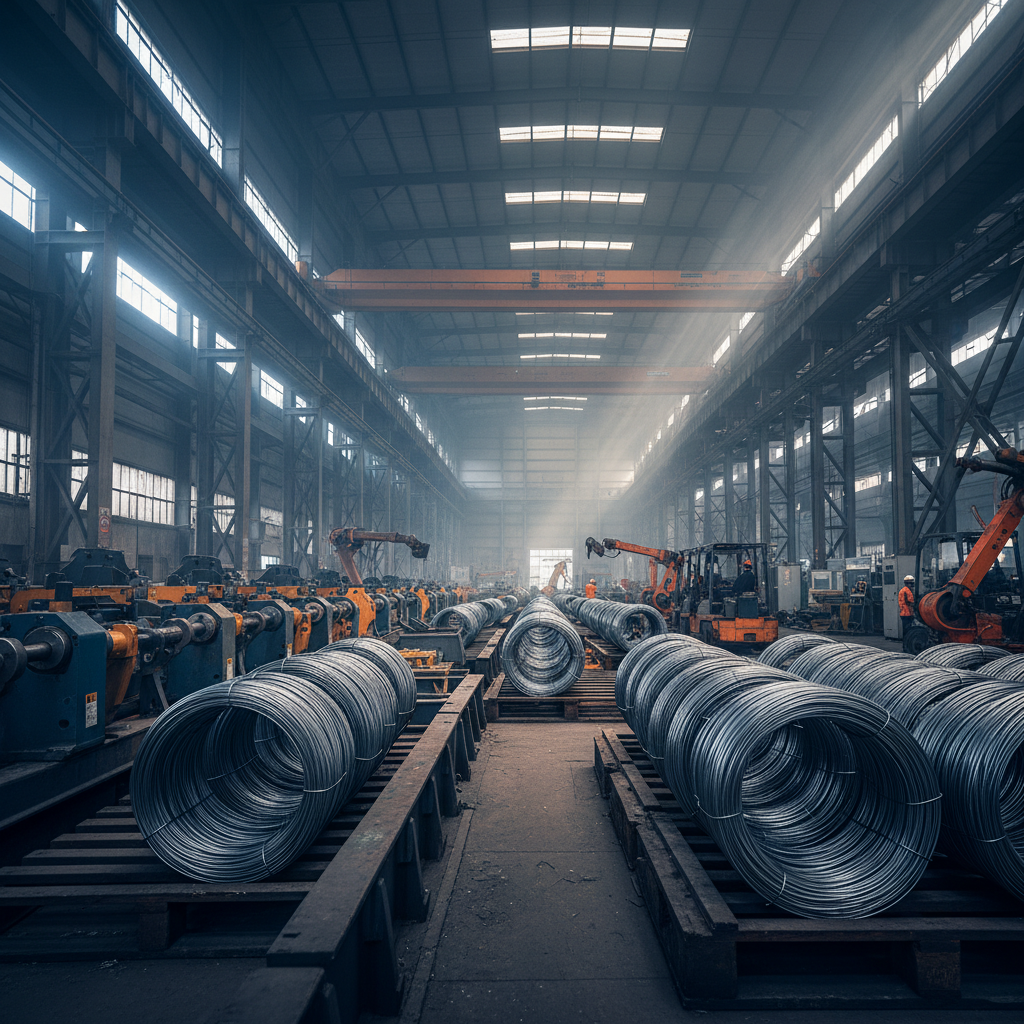
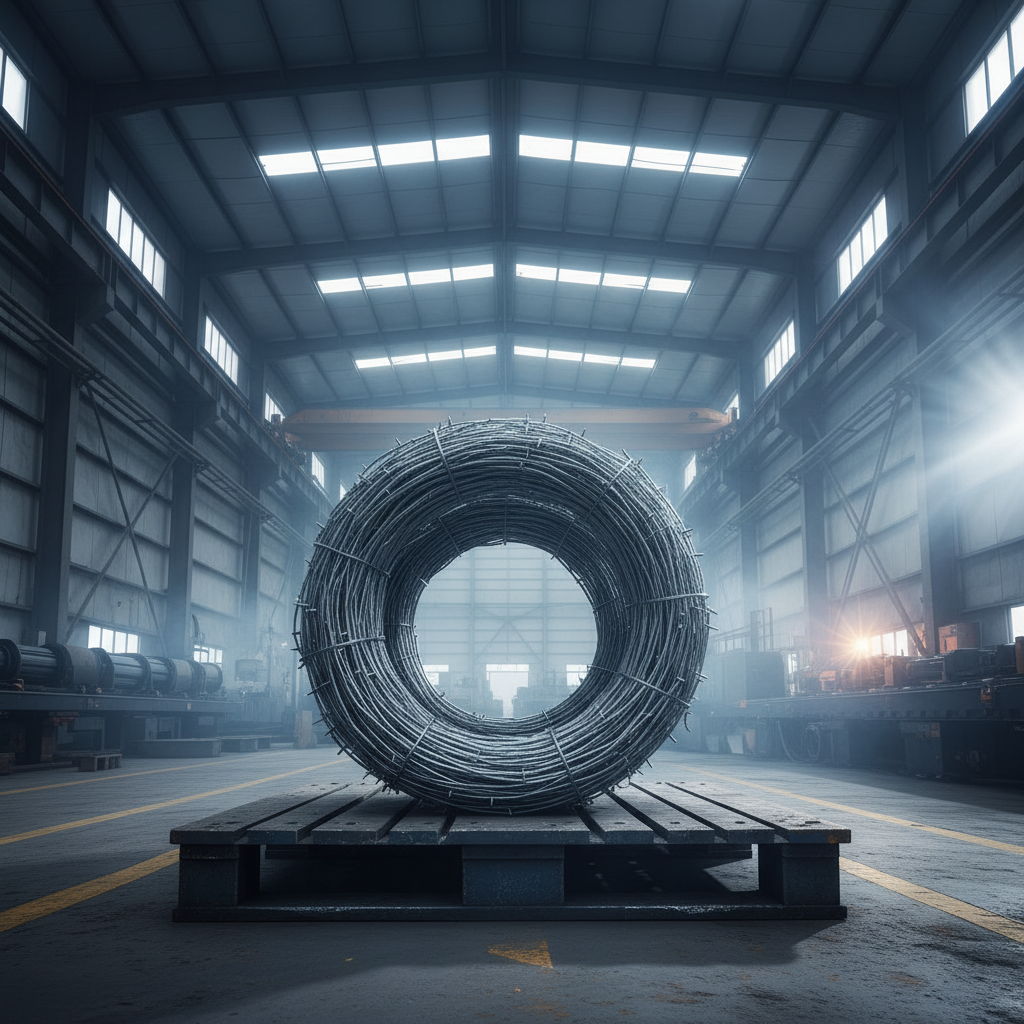
We’re primarily dealing with high-carbon steel, of course, for the barbed wire for sale. That stuff smells like…well, metal and oil, mostly. It’s got a cold, hard feel. You can tell a good batch by the way it bends – not snapping immediately, but yielding a little. The zinc coating is key, though. If it’s too thin, rust starts creeping in before you even get it installed. I encountered this at a factory in Hebei province last time, the zinc smelled kinda off... it ended up needing a second coating.
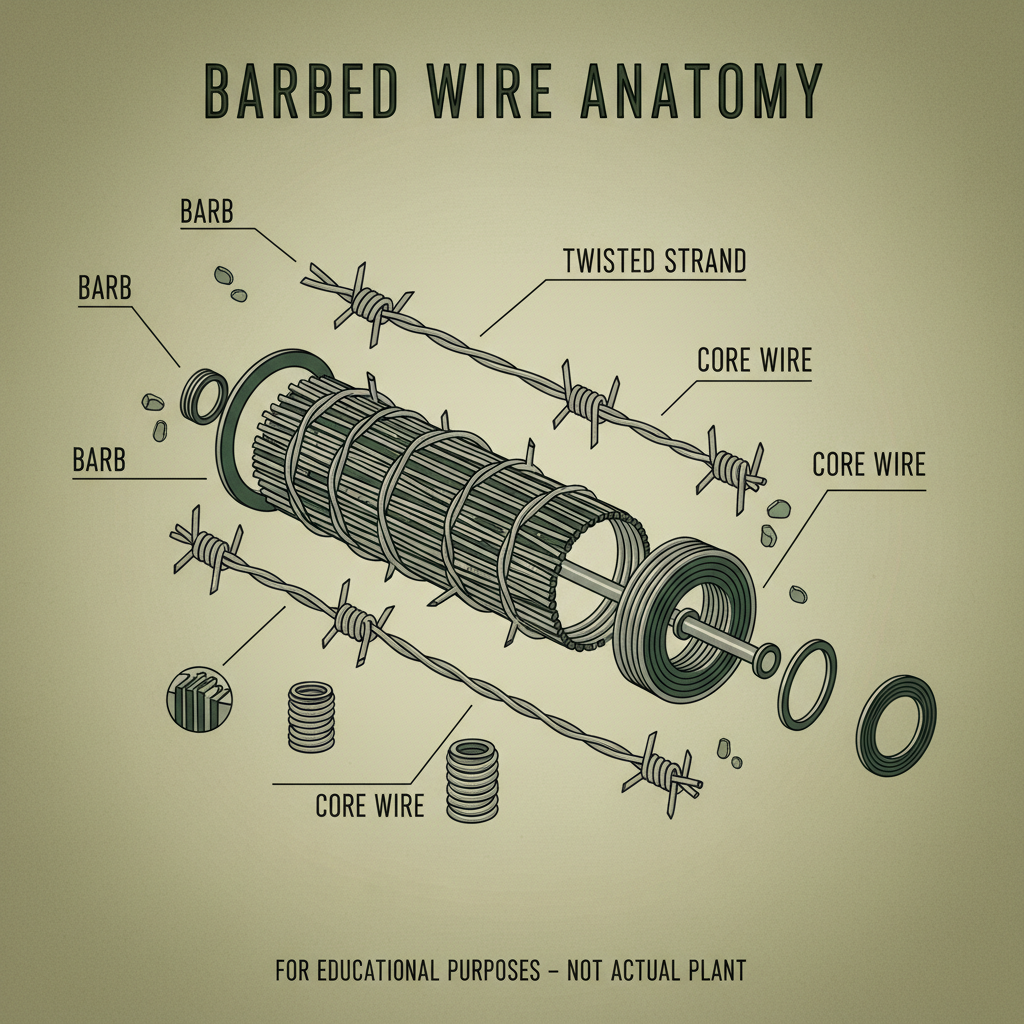
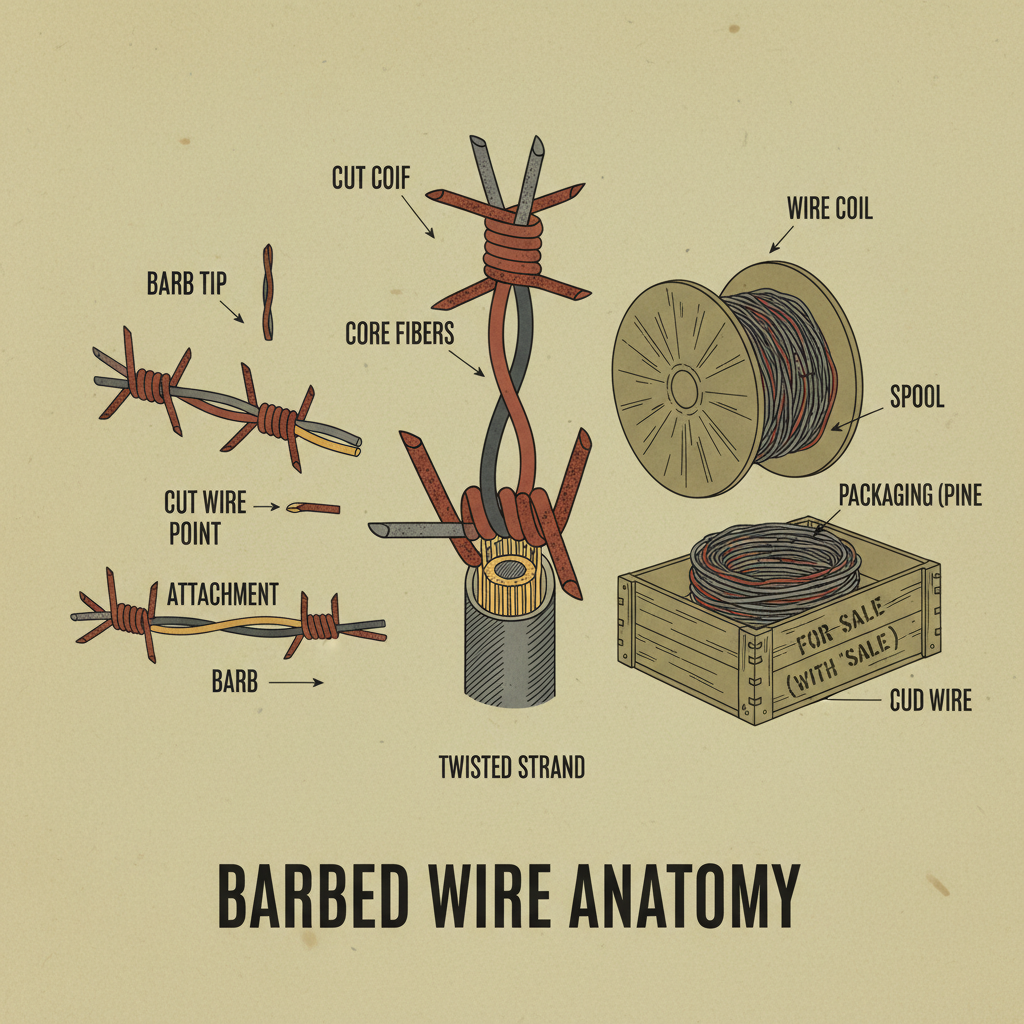
Exploring Barbed Wire for Sale Strength Durability and Real World Applications

Industry Trends and Design Pitfalls

Exploring Barbed Wire for Sale Strength Durability and Real World Applications

Have you noticed how everyone’s talking about “smart” fencing now? With sensors and alarms and everything. It's…a lot. Frankly, a good, solid run of barbed wire for sale still does the job in most cases, and it doesn’t need a software update. The biggest issue, though, is corrosion resistance. That's where a lot of designs fall apart. People skimp on the galvanizing, or they use a steel that’s not suited for the environment. I’ve seen stuff rust solid in a matter of months in coastal areas.

Strangely, some clients think thicker wire always equals better security. It's not always true. The spacing of the barbs, the wire diameter, and the overall construction all play a part. Thicker isn't always better, it's just more expensive.

Material Deep Dive: Steel, Zinc, and Beyond

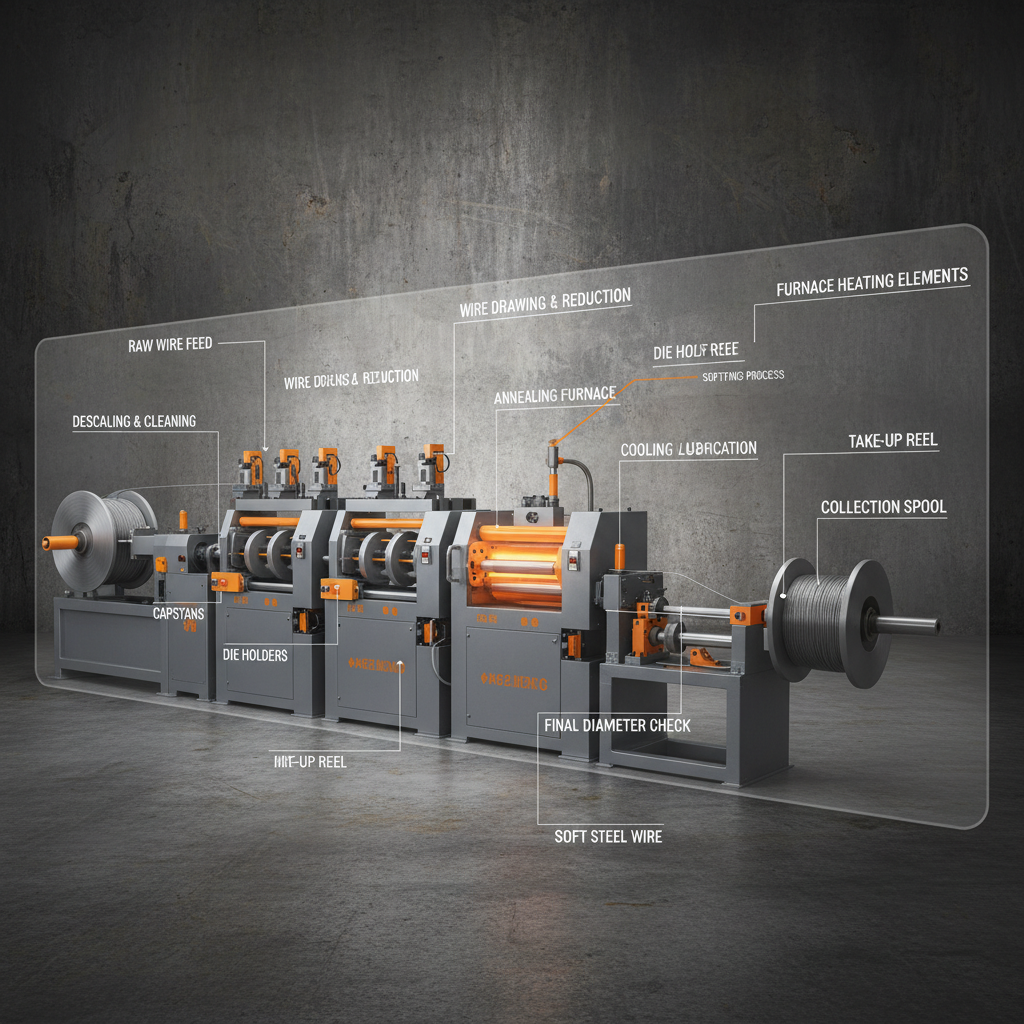
Okay, so the core is high-carbon steel. We’re talking about something with a tensile strength of at least 800 MPa, usually higher. You want that give, that ability to stretch without snapping. Then you’ve got the zinc coating. Hot-dip galvanizing is the standard, but there are different grades. A good coating should be at least 60 microns thick. Anything less is asking for trouble. We’ve started experimenting with aluminum-zinc alloy coatings too – they offer better corrosion resistance, especially in acidic environments. It's pricey, though. And then there are PVC coatings. They look nice, but they're prone to cracking in extreme temperatures.

The wire itself... it’s surprisingly tactile. A good batch feels smooth and consistent. You can almost tell the quality just by running your hand along it. Cheap stuff feels rough, almost grainy. And the smell! New steel has a distinct smell, a mix of oil and metal.

Anyway, I think understanding the steel grade and the galvanizing process is 90% of the battle. The rest is just clever engineering.

Real-World Testing: Beyond the Lab

Lab tests are fine, but they don't tell the whole story. You need to see how this barbed wire for sale performs in the real world. We do pull tests, of course, but we also do bend tests, corrosion tests (salt spray chamber, immersion in different soils), and even UV exposure tests. But the best test is just installing it on a challenging site and leaving it for a year.

I remember one time, we were supplying wire for a perimeter fence around a mining operation in Chile. They were dealing with incredibly corrosive soil. The lab tests looked good, but within six months, the standard galvanized wire was a mess. We had to switch to the aluminum-zinc alloy, and that held up beautifully.

Later… forget it, I won't mention it – the story about the engineer who tried to bribe the inspector is too long. The point is, you can’t trust the numbers alone. You need real-world data.

How Barbed Wire for Sale is Actually Used

People think barbed wire for sale is just about keeping people out. And it is, mostly. But it's also used for erosion control on hillsides, for reinforcing concrete structures, and even for training plants to grow in a certain direction. Farmers use it for livestock containment, obviously. I’ve seen it used to secure cargo on trucks, though I wouldn’t recommend that – it's a bit overkill.

And it’s not always strung neatly along a fence line. Sometimes it’s wrapped around pipes, woven into nets, or even used as a component in more complex security systems. I've also seen it used... well, let's just say in ways I'm not supposed to talk about.

What surprises me is how often people underestimate the amount of tension it needs to be effective. If it’s too loose, it’s easily climbed over. Too tight, and it can snap. It’s a balancing act.

Barbed Wire for Sale Performance Metrics


Advantages, Disadvantages, and Customization

Barbed wire for sale is cheap, effective, and relatively easy to install. It’s a tried-and-true solution. But it’s also…well, it’s barbed wire. It’s not pretty. It can cause injury. And it’s not always the most aesthetically pleasing option. Some municipalities have restrictions on its use. And the environmental impact of manufacturing it is not negligible.

We can customize it, though. Different barb spacing, different wire gauges, different coatings. We had a client last year, a vineyard owner in Napa Valley, who wanted black-coated wire with wider barb spacing to protect his vines from deer without damaging the grapes. It was a surprisingly tricky project, getting the coating right and ensuring the barbs didn’t puncture the fruit.

A Customer Story from Shenzhen

Last month, that small boss in Shenzhen who makes smart home devices insisted on changing the interface to for a new security system utilizing barbed wire for sale. He said it was "more modern." I tried to tell him, “Look, the standard connectors are reliable, readily available, and the workers are familiar with them.” He wouldn't listen. He wanted . He ended up having to source specialized connectors from Germany, and the whole project was delayed by three weeks. The cost went up, too. And you know what? The connectors failed faster in our testing. He eventually admitted he’d made a mistake, but by then it was too late.

I tell you what, sometimes the simplest solution is the best.

It’s the same with barbed wire. Don't overcomplicate things.

Key Performance Indicators of Barbed Wire for Sale

Coating Type Corrosion Resistance (1-10) Tensile Strength (MPa) Cost per Meter ($)
Standard Galvanized 6 900 0.25
High-Zinc Galvanized 8 950 0.35
Aluminum-Zinc Alloy 9 1000 0.50
PVC Coated 4 850 0.40
Stainless Steel 10 1100 1.50
Galvanized & Black Coated 7 920 0.45

FAQS

What’s the best type of barbed wire for coastal areas?

For coastal areas, corrosion is the biggest concern. I always recommend either aluminum-zinc alloy coated wire or high-grade stainless steel. The initial cost is higher, but it’ll save you a fortune in replacements down the line. The salt air will eat through standard galvanized wire in a matter of months. Don’t even bother. A good coating needs to be thick, and it needs to be the right alloy. We’ve seen some cheaper aluminum-zinc options that just don’t hold up.

How often should barbed wire fences be inspected?

At least twice a year, in my experience. Look for broken wires, loose posts, and signs of corrosion. Pay close attention to areas where the wire comes into contact with metal supports or concrete. Those are common failure points. Also, check for vegetation growing up around the fence – it can hide damage and provide a climbing aid. It’s a pain, but regular maintenance is key to a long-lasting fence.

What's the difference between single-strand and multi-strand barbed wire?

Single-strand is cheaper and easier to install, but it’s less secure. Multi-strand provides a more substantial barrier, making it harder to climb over. The number of strands you need depends on the level of security you require. For livestock, two or three strands are usually sufficient. For security applications, five or more strands are common. You also need to consider the height of the fence.

Can barbed wire be recycled?

Yes, absolutely. The steel can be melted down and reused. The zinc coating can also be recovered. It’s not always easy to find recycling facilities that accept barbed wire, but it’s becoming more common. It's a good practice to minimize waste and reduce your environmental impact, plus you might get a few bucks back for the scrap metal.

Is there a standard spacing for the barbs?

There isn’t one standard, but the most common spacing is around 12-15 cm (5-6 inches). This provides a good balance between security and ease of installation. Closer spacing makes it harder to climb, but it also increases the cost and complexity. Wider spacing is easier to install, but it’s less effective as a deterrent. It depends on what you're trying to keep in or keep out.

What tools are essential for installing barbed wire for sale?

You'll need a wire stretcher, wire cutters, gloves (seriously, wear gloves!), pliers, and a post driver. A good pair of wire cutters is essential – cheap ones will just bend the wire. And don’t skimp on the gloves – barbed wire is not forgiving. A come-along is also handy for tightening the wire. And always, always wear safety glasses. You don’t want a barb in your eye.

Conclusion

Ultimately, barbed wire for sale is a surprisingly complex product. It’s not just about sharp metal; it’s about material science, corrosion resistance, and real-world performance. Choosing the right wire for the job requires understanding the environment, the application, and the long-term costs.

And, in the end, whether this thing works or not, the worker will know the moment he tightens the screw. If it feels solid, if it holds tension, if it looks like it'll last... then you've got a good fence. If it doesn't... well, you've got a problem.

Owen Lancaster

Owen Lancaster

Owen Lancaster is the Quality Control Supervisor at Dingzhou Lanye Metal Products. He’s responsible for upholding our commitment to product quality through rigorous inspection and testing procedures. Owen leads a dedicated team that meticulously examines every batch of galvanized steel wire, barbed wire, and hexagonal wire mesh to ensure it
Previous Exploring Diverse Steel Wire Types and Their Industrial Applications
Next The Importance of Quality Steel Wire Wholesale in Modern Prefabrication

Contact Us Now. 100% Customer Satisfaction Guaranteed

Newsletter