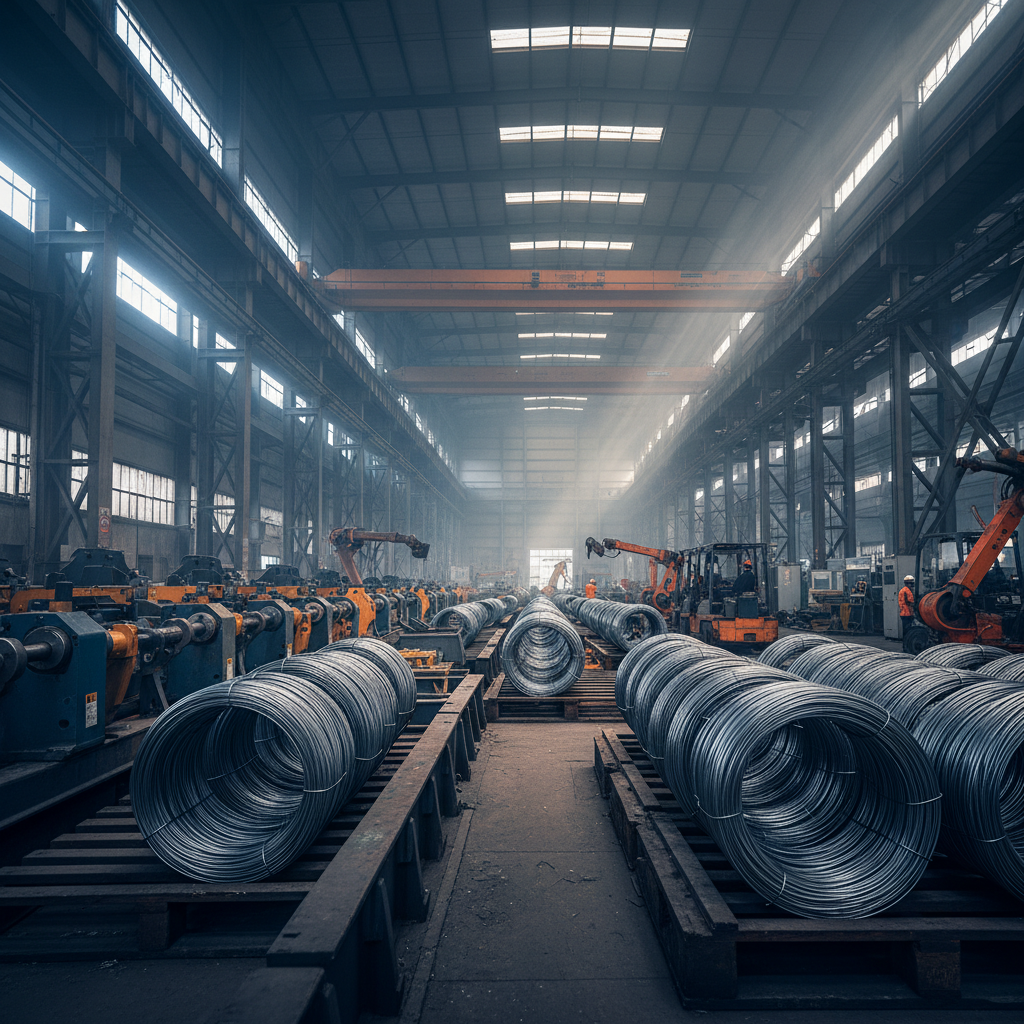
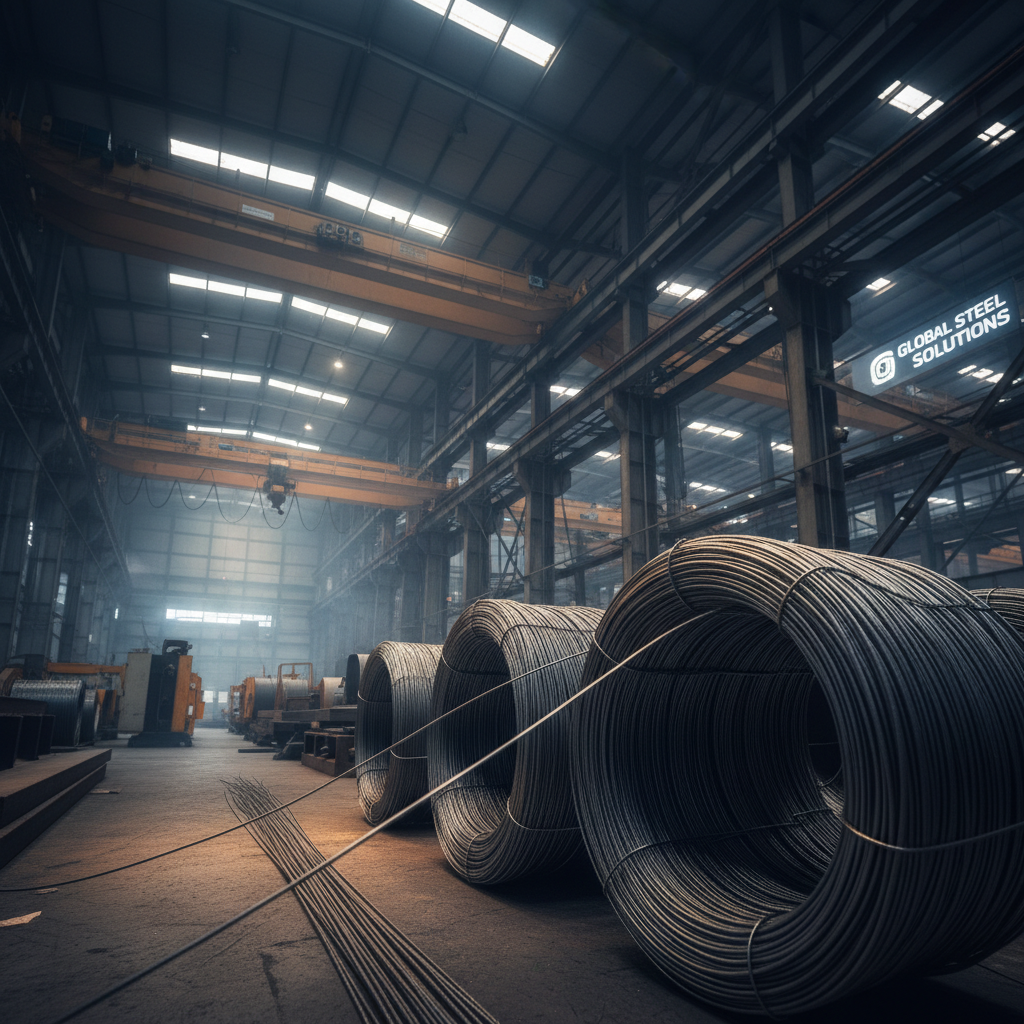
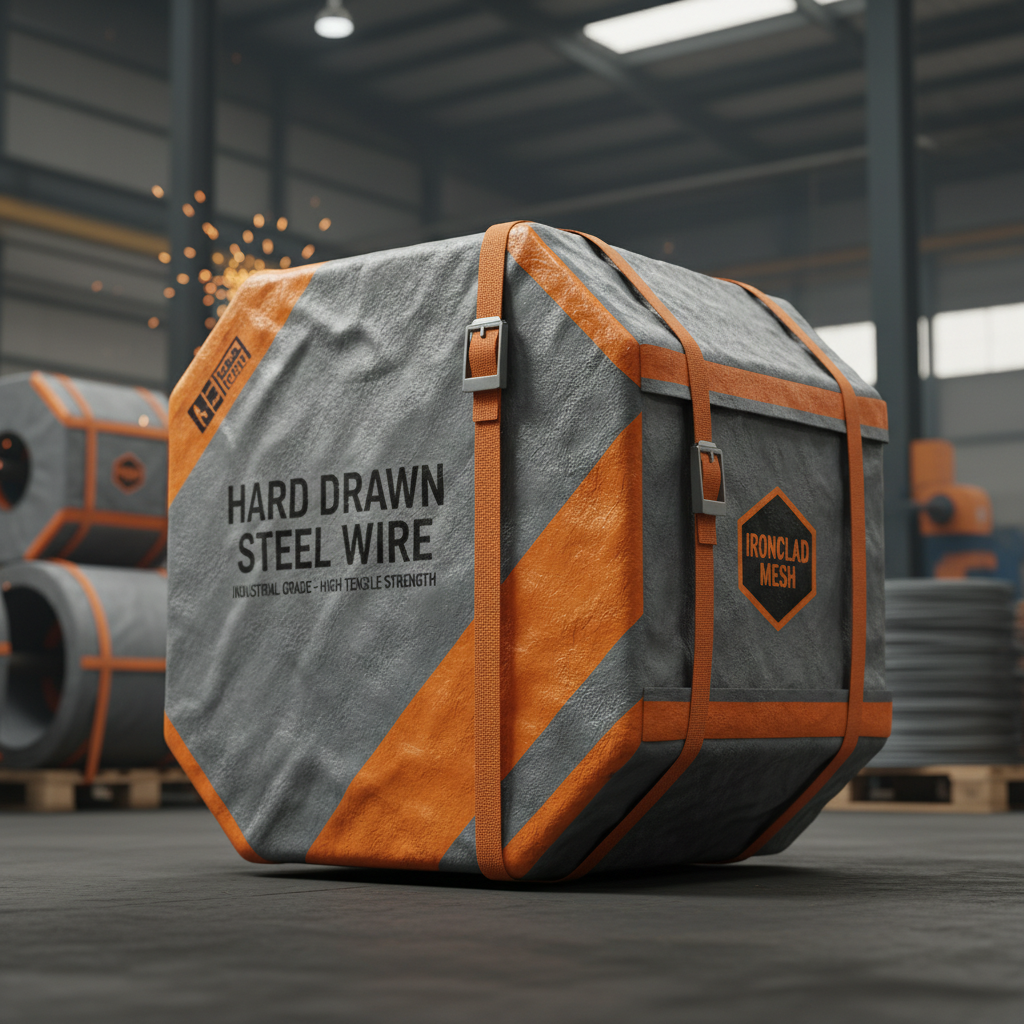
Rebar tie wire, a seemingly simple component, plays a critical role in modern construction, ensuring the structural integrity of reinforced concrete frameworks globally. This unassuming wire is essential for binding rebar together, creating a robust cage that withstands immense stress. Understanding the properties, applications, and future trends of rebar tie wire is paramount for engineers, construction workers, and anyone involved in infrastructure development. It’s a cornerstone of safe and durable building practices, influencing everything from residential homes to massive infrastructure projects.
The global demand for rebar tie wire is directly tied to the growth of the construction industry, particularly in rapidly developing nations. According to the World Bank, infrastructure investment in developing countries is projected to reach trillions of dollars in the coming decades, driving up demand for construction materials like rebar and, consequently, rebar tie wire. The quality and reliability of this wire are vital, as failures can lead to catastrophic structural collapses. Therefore, adherence to international standards like those set by ISO is crucial for ensuring safety and longevity.
Beyond its structural function, the efficient and cost-effective use of rebar tie wire contributes to project timelines and overall construction costs. Innovations in wire materials and automated tying tools are continuously improving efficiency and reducing labor requirements. It’s a small component with a big impact, directly influencing the success and sustainability of construction projects worldwide.
The Essential Role of Rebar Tie Wire
Rebar tie wire is often the unsung hero of concrete construction, quietly performing the vital function of securing rebar cages before concrete pouring. The integrity of these cages directly impacts the strength and durability of the final structure. Using high-quality rebar tie wire minimizes the risk of shifting or separation during the concrete setting process, ensuring the rebar effectively resists tensile forces.
Choosing the appropriate rebar tie wire involves considering factors like wire gauge, tensile strength, and corrosion resistance. Different construction projects require different wire specifications depending on the size and complexity of the rebar framework, and the environmental conditions the structure will face.
Defining Rebar Tie Wire and its Importance
Rebar tie wire is a soft, low-carbon steel wire specifically designed for securely fastening reinforcing bars (rebar) together. It's typically annealed to enhance its ductility, allowing it to be easily bent and twisted without breaking. Unlike rebar itself, tie wire is not meant to contribute to the structural strength of the concrete; its sole purpose is temporary – to hold the rebar in the correct position during concrete placement and until the concrete hardens.
Its importance lies in its ability to create a stable rebar framework. Without proper tying, rebar can shift during the concrete pouring process, compromising the structural integrity of the final product. This can lead to cracks, reduced load-bearing capacity, and even catastrophic failures. Thus, rebar tie wire is a fundamental element of safe and reliable construction.
The use of rebar tie wire is integral to modern construction practices globally, impacting everything from residential buildings and bridges to dams and tunnels. It is a low-cost, effective method of ensuring the structural integrity of reinforced concrete, a material that forms the backbone of modern infrastructure.
Key Factors Influencing Rebar Tie Wire Quality
Several key factors determine the quality and performance of rebar tie wire. Tensile strength is paramount – the wire must be strong enough to withstand the stresses of handling and tying without snapping. Ductility, the ability to be bent and twisted without breaking, is equally crucial for ease of use and secure tying.
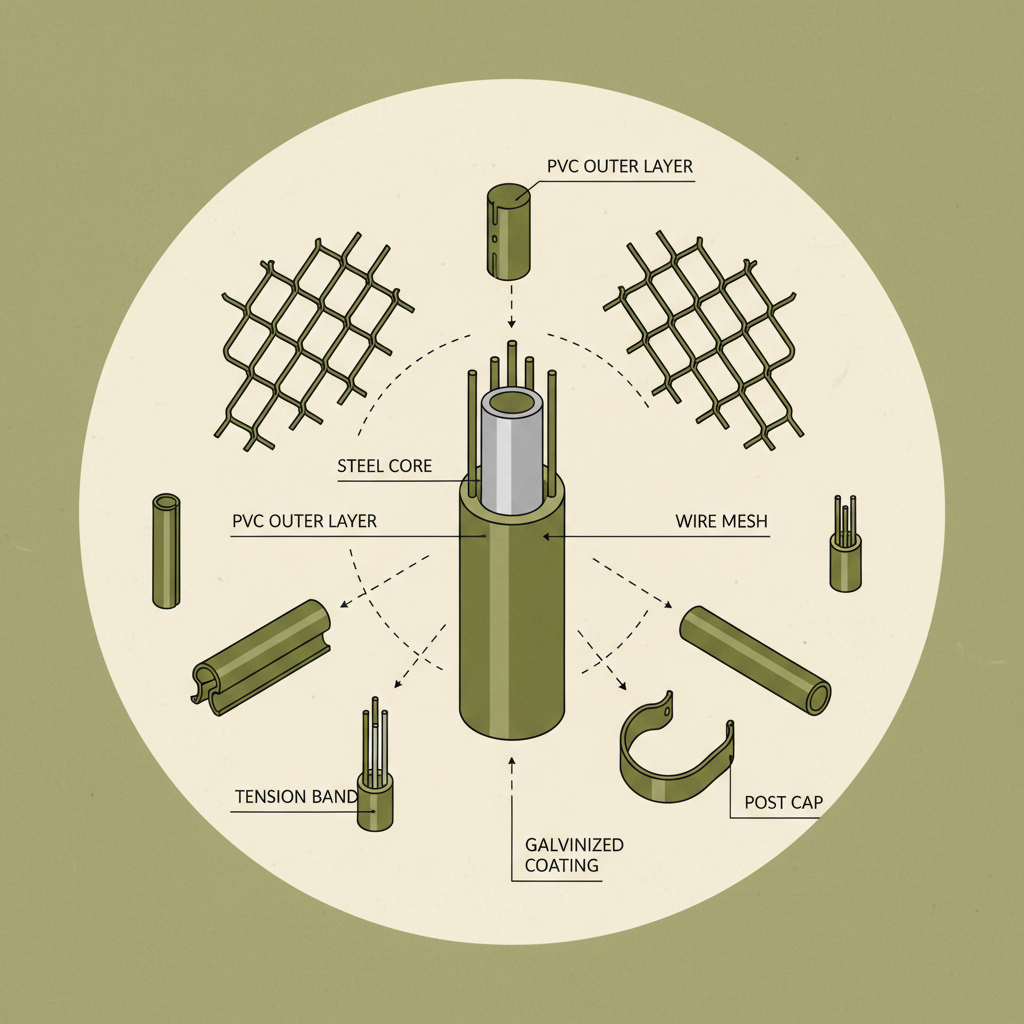
Corrosion resistance is another critical attribute, especially in environments exposed to moisture, chlorides, or other corrosive agents. Coated rebar tie wire, such as galvanized or epoxy-coated options, provides enhanced protection against corrosion, extending the life of the structure. Finally, consistent wire diameter is important for ensuring uniform tying strength and preventing issues during concrete placement.
Wire gauge (thickness) also plays a significant role. Thicker gauges provide greater strength but can be harder to work with. The appropriate gauge depends on the size and spacing of the rebar being tied and the specific requirements of the project. Selecting the right wire specifications is essential for achieving optimal performance and minimizing the risk of failure.
Practical Applications of Rebar Tie Wire
The primary application of rebar tie wire remains the securement of rebar cages in concrete construction. This includes foundations, columns, beams, slabs, walls, and bridge decks. The wire is used to create a grid-like structure of rebar, providing the necessary tensile strength to resist cracking and failure under load.
Beyond basic structural elements, rebar tie wire is also essential in specialized applications such as tunnel linings, retaining walls, and precast concrete components. In these cases, precise rebar placement is even more critical, making the reliable tying provided by quality wire even more important.
Rebar Tie Wire Performance Comparison
Global Applications and Use Cases
Rebar tie wire is utilized in construction projects across the globe, with significant demand in countries undergoing rapid urbanization and infrastructure development, such as China, India, and Southeast Asian nations. These regions are experiencing massive investments in housing, transportation, and public works, driving up the need for robust and reliable rebar tying solutions.
In disaster-prone areas, the quality of rebar tying is critical for constructing structures that can withstand earthquakes, hurricanes, and other natural calamities. Properly tied rebar cages enhance the resilience of buildings and infrastructure, minimizing damage and protecting lives. Furthermore, in remote industrial zones, where access to skilled labor may be limited, the ease of use and reliability of rebar tie wire are especially valuable.
Advantages and Long-Term Value
The advantages of using high-quality rebar tie wire extend far beyond simply holding rebar in place. The primary benefit is enhanced structural integrity, leading to safer and more durable buildings and infrastructure. This translates to reduced maintenance costs, extended lifespan, and increased safety for occupants.
From a cost perspective, rebar tie wire is a relatively inexpensive component of overall construction costs. However, the potential cost savings associated with preventing structural failures far outweigh the initial investment. Furthermore, using corrosion-resistant wire contributes to the sustainability of projects by reducing the need for repairs and replacements.
Future Trends and Innovations in Rebar Tying
The future of rebar tying is likely to be shaped by several key trends, including the increasing adoption of automated tying tools, the development of new wire materials with improved performance characteristics, and a growing focus on sustainability. Automated tying tools, such as electric and pneumatic rebar tiers, are gaining popularity for their speed, efficiency, and reduced labor costs.
Research is also underway to develop rebar tie wire made from recycled materials or biodegradable polymers, reducing the environmental impact of construction. Furthermore, the integration of digital technologies, such as Building Information Modeling (BIM), will enable more precise rebar placement and tying, optimizing structural performance and minimizing waste.
Challenges and Solutions
Despite its simplicity, challenges remain in the effective use of rebar tie wire. One common issue is improper tying techniques, leading to loose or insecure connections. This can be addressed through improved training and certification programs for construction workers. Another challenge is corrosion, particularly in harsh environments. This can be mitigated by using corrosion-resistant wire and applying protective coatings.
Furthermore, ensuring consistent wire quality and adherence to industry standards is crucial. Regular inspection and testing of rebar tie wire can help identify substandard products and prevent failures. Utilizing durable and reliable rebar tie wire, combined with best practices in installation, remains the most effective solution.
Finally, the rising cost of materials and labor necessitates a continuous search for more efficient and cost-effective tying methods, driving innovation in automated tools and materials.
Summary of Rebar Tie Wire Challenges and Solutions
| Challenge |
Impact on Structure |
Solution |
Implementation Cost (1-10) |
| Improper Tying Technique |
Reduced structural integrity, potential for cracking. |
Enhanced worker training & certification. |
3 |
| Corrosion in Harsh Environments |
Weakened rebar cage, premature failure. |
Use of galvanized or epoxy-coated wire. |
6 |
| Substandard Wire Quality |
Reduced tensile strength, potential for breakage. |
Regular wire inspection & quality control. |
4 |
| Labor Intensive Process |
Increased project timelines & costs. |
Adoption of automated tying tools. |
7 |
| Inconsistent Wire Diameter |
Uneven tying strength, potential for shifting. |
Strict adherence to wire specifications. |
2 |
| Material Sustainability Concerns |
Environmental impact, resource depletion. |
Explore recycled or biodegradable wire options. |
5 |
FAQS
The most commonly used gauge for general construction purposes is 16 gauge rebar tie wire. However, the ideal gauge can vary based on the diameter and spacing of the rebar being tied, as well as project-specific requirements. For larger rebar or more demanding applications, a thicker gauge, such as 14 gauge, might be necessary to ensure a secure connection. It's always best to consult engineering specifications or local building codes.
Galvanized rebar tie wire is coated with a layer of zinc, providing enhanced corrosion resistance. Standard steel tie wire, while more economical, is susceptible to rust and corrosion, particularly in environments with high moisture or exposure to chlorides. Galvanized wire is recommended for projects in coastal areas, exposed environments, or where long-term durability is critical. The zinc coating acts as a sacrificial layer, protecting the underlying steel from corrosion.
Automated rebar tying tools significantly increase efficiency and reduce labor costs compared to manual tying methods. They offer consistent tying pressure, resulting in more reliable connections. They also reduce worker fatigue and strain, improving safety on the job site. Furthermore, automated tools can speed up the construction process, helping projects stay on schedule and within budget.
Prioritize purchasing rebar tie wire from reputable suppliers with established quality control procedures. Check for certifications and compliance with industry standards such as ASTM or ISO. Inspect the wire for any signs of damage, corrosion, or inconsistencies in diameter. A reliable supplier will provide documentation verifying the wire's tensile strength and other key properties.
Traditional rebar tie wire is made from steel, a resource-intensive material. Consider sourcing wire made from recycled steel to reduce the environmental impact. Some manufacturers are exploring biodegradable or bio-based alternatives, though these are not yet widely available. Proper disposal of wire scraps is also important; recycling should be prioritized over landfill disposal.
Improper rebar tying, such as loose or insecure connections, can compromise the structural integrity of concrete elements. This can lead to cracking, reduced load-bearing capacity, and increased susceptibility to corrosion. Over time, these issues can result in costly repairs or even structural failure. Therefore, ensuring proper tying techniques and using quality rebar tie wire are crucial for the longevity and safety of concrete structures.
Conclusion
In conclusion, rebar tie wire, though a seemingly minor component, is fundamentally important for the structural integrity, safety, and longevity of concrete constructions worldwide. Its appropriate selection and application, guided by industry standards and best practices, directly impact project success and minimize long-term risks. Understanding the nuances of wire gauge, corrosion resistance, and tying techniques is paramount for engineers, contractors, and construction professionals.
Looking ahead, innovation in materials, automated tools, and sustainable practices will continue to shape the future of rebar tying. By embracing these advancements and prioritizing quality, the construction industry can build more resilient, durable, and environmentally responsible infrastructure. For reliable rebar tie wire solutions, visit our website: www.lanyewiremesh.com.