0%

Table of Contents

Honestly, the construction site's been buzzing about these new high-strength bolts. Everyone's chasing lighter materials, you know? Saves on shipping, easier to handle… but there's always a catch. You think you've got a good design, and then boom, something unexpected happens.

I was at a pre-fab steel factory last month, and the engineer was complaining about the tolerances. Said they were too tight. “Too tight?” I said. “You’re building skyscrapers, not LEGOs!” But he had a point. The slightest variation in the manufacturing process throws everything off.

Anyway, we’re talking about these bolts, right? They’re mostly 40CrMnTi, a medium carbon alloy steel. Smells kinda… metallic when you cut it, a bit like welding fumes, but not as strong. Feels solid, though. You can tell it’s good stuff just by hefting it. We also play around with some 316 stainless steel for coastal projects – corrosion’s a killer. Dealing with stainless is different though, much softer, needs a bit more care when tightening.
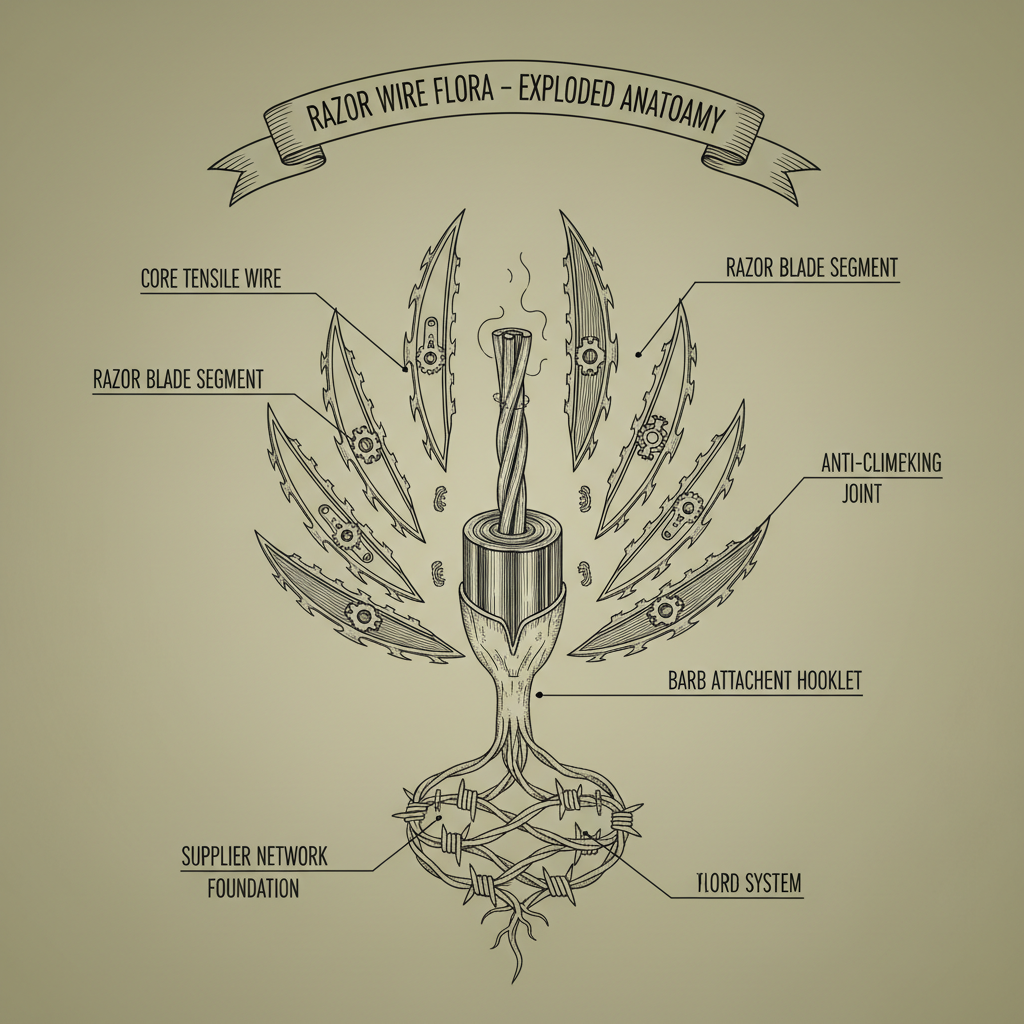
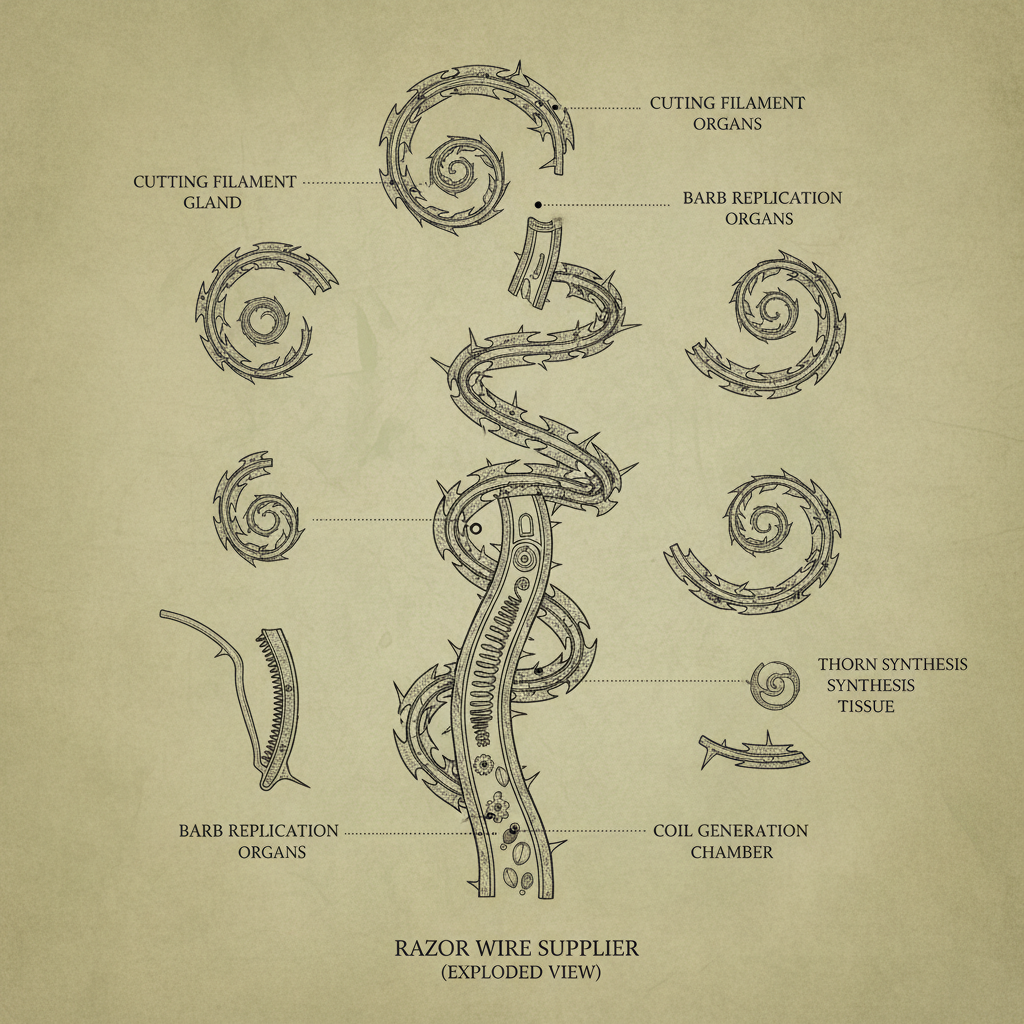
razor wire suppliers

Industry Trends and Design Pitfalls

razor wire suppliers

Have you noticed everything’s going modular these days? Pre-fabricated components, quick assembly… it’s all about speed. But that puts even more stress on the fasteners. You can't just slap something together and hope for the best. I saw a project last year where they tried to cut corners on the bolt size to save a few bucks. Total disaster. The whole structure was wobbling within a month.

One pitfall? Thinking you can always rely on the stated tensile strength. I encountered this at a factory last time - they were pushing these new 'high-performance' bolts, but the actual yield strength was all over the place. Needed a serious quality control overhaul.

Material Deep Dive: Steel and Stainless

So, 40CrMnTi... that’s the workhorse. It's got decent strength, good ductility, and it’s relatively cheap. You can heat treat it to get exactly the hardness you need. But it will rust if you don't protect it. That's where coatings come in – zinc plating, galvanizing, or even specialized paints. Stainless, on the other hand… it's pricey, but you get corrosion resistance out of the box. Strangel,y, sometimes stainless can gall if you tighten it too much.

The feel is different, too. The steel bolts are colder, harder. You can feel the grain in the metal. Stainless feels smoother, almost… slippery. It’s a weird sensation. And the smell when you machine stainless? Distinctly different. A slightly sweet metallic odor.

We've experimented with duplex stainless steels too, they're a bit of a pain to work with but offer a really good balance of strength and corrosion resistance. Honestly though, for most projects, the 40CrMnTi, properly treated, is more than sufficient.

Real-World Testing and Performance

Forget the lab tests. Those are fine, but they don’t tell the whole story. We need to see how these bolts perform in the real world. We do pull-out tests on site, obviously. But we also stress them with vibration, cycle them through temperature extremes, and even soak them in saltwater. It's messy, it’s time-consuming, but it's the only way to be sure.

I’ve seen bolts fail from fatigue faster than anyone would believe. Especially on bridges. Constant traffic, constant vibrations... it takes a toll. The trick is to use the right tightening torque, and to regularly inspect the connections.

We also rely on visual inspection. Look for signs of corrosion, cracking, or deformation. And listen. A creaking bolt is a bad bolt. Always.

How Users Actually Use Them

Here’s where it gets interesting. You design these things with precision in mind, but then the guys on the ground… they improvise. I've seen them use impact wrenches way too aggressively, stripping the threads. I’ve seen them use the wrong size wrench, rounding off the bolt heads. It's frustrating, but it’s reality.

They also have a tendency to over-tighten. “If some is good, more is better,” that's their motto. Which, of course, is completely wrong. You're more likely to snap the bolt or damage the connected materials. Later... Forget it, I won't mention it.

Bolt Failure Rate by Installation Method


Pros, Cons, and Customization

The pros are obvious: strength, reliability, relatively low cost. Cons? Corrosion, as we’ve discussed. And they can be a pain to remove if they’ve been over-tightened or exposed to harsh environments.

Customization? Absolutely. We can adjust the length, diameter, thread pitch, coating… you name it. Last month, a customer needed bolts with a specific head profile to fit a proprietary clamping system. It was a pain to manufacture, but we got it done. They were building some sort of robotic arm for a factory automation line.

A Customer Story From Shenzhen

Last month, that small boss in Shenzhen who makes smart home devices insisted on changing the interface to for all the mounting brackets. He said it was “more modern.” More modern! For a bracket! Anyway, he wanted the bolts to be flush with the surface, so we had to design custom countersunk heads. The result? The bolts were too short, and the brackets kept coming loose. He finally admitted he hadn't thought it through. Cost him a fortune in rework, that did.

Material Comparison Table

Just some quick notes scribbled on a napkin, really...

Quick Material Comparison for Bolt Selection

Material Strength (Approx) Corrosion Resistance Cost (Relative)
40CrMnTi Steel 8.8 - 10.9 Low (Requires Coating) $
304 Stainless Steel 7.5 - 8.0 Good $$
316 Stainless Steel 8.0 - 9.0 Excellent $$$
Duplex Stainless Steel 9.0 - 11.0 Very Good $$$$
Alloy Steel (Heat Treated) 10.9 - 12.9 Low (Requires Coating) $$
Carbon Steel 5.8 - 8.8 Very Low (Requires Coating) $

FAQS

What's the biggest mistake people make when choosing bolts for outdoor structures?

Honestly, it’s not thinking about corrosion. People get focused on strength, but if the bolt rusts through, strength doesn't matter. Always use stainless steel or a properly coated carbon steel bolt in an exposed environment. And don't skimp on the coating! It needs to be thick enough to withstand the elements. I saw a bridge that had to be shut down because of cheap galvanized bolts. Huge headache.

How important is the tightening torque, really?

Critical. Absolutely critical. Too loose, and the connection will fail. Too tight, and you risk stripping the threads or damaging the materials. Always use a calibrated torque wrench, and follow the manufacturer's specifications. And double-check your work. A little extra time spent tightening bolts correctly can save you a lot of trouble down the road.

What's the difference between a Grade 8 and a Grade 5 bolt?

Grade 8 bolts are stronger and more durable than Grade 5 bolts. They have a higher tensile strength and yield strength. They're typically used in applications where greater strength is required, like heavy machinery or structural steel connections. But they're also more expensive and can be more brittle. So, it depends on the application.

Can I reuse bolts from a disassembled structure?

I wouldn’t recommend it. The threads can be damaged, the coating can be compromised, and they might have been overstressed during their previous use. It's just not worth the risk. It's cheaper and safer to use new bolts. Seriously, don’t cheap out on fasteners.

What's the deal with lock washers? Are they really necessary?

Depends on the application. Lock washers help prevent loosening due to vibration. They're especially important in applications where the bolts are subject to dynamic loads. But they’re not a substitute for proper tightening torque. There are different types of lock washers – split lock washers, tooth lock washers, and nylon insert lock nuts. Each has its advantages and disadvantages.

How do you deal with bolts that are seized and won't budge?

Penetrating oil is your friend. Let it soak for a few hours, or even overnight. Then try using a breaker bar and a six-point socket. If that doesn't work, heat can help. But be careful! You don't want to damage the surrounding materials. Sometimes, you just have to cut the bolt off and replace it. It’s frustrating, but it happens.

Conclusion

So, there you have it. Choosing the right bolts isn’t glamorous, but it's absolutely critical for the safety and longevity of any structure. It's about understanding the materials, the loads, the environment, and how people actually use them.

Ultimately, whether this thing works or not, the worker will know the moment he tightens the screw. If it feels right, and it holds, then you've done your job. If not… well, you've got a problem. And you'll be back on site, trying to figure it out. That's just the way it is.

Ethan Bellwether

Ethan Bellwether

Ethan Bellwether is the Senior Market Analyst at Dingzhou Lanye Metal Products. He joined the company in 2018, bringing with him a robust background in steel market trends and international trade. Ethan is responsible for identifying new opportunities within the construction and agricultural sectors, analyzing competitor strategies, and forecasting demand
Previous Navigating Modern Construction Challenges with Reliable Wire Mesh Suppliers
Next steel wire manufacturers

Contact Us Now. 100% Customer Satisfaction Guaranteed

Newsletter