galvanized steel wire – it's the backbone of so much of what we build, and frankly, what holds a lot of things together. I've spent the last fifteen years tracking materials on job sites, from tiny residential builds to massive infrastructure projects, and you quickly realize how crucial reliable, corrosion-resistant materials are. It's not glamorous, but a failure in something seemingly small like wire can bring a whole project to a standstill – not to mention the safety implications. We're talking about everything from securing rebar in concrete to fencing, cable stays, and even the mesh in precast panels. Getting it right from the start saves time, money, and a whole lot of headaches.
The global demand for galvanized steel wire is huge, and it’s only going up. The UN projects continued growth in infrastructure spending, especially in developing nations. Think about the sheer scale of urbanization happening in Asia and Africa – they need robust, affordable building materials, and galvanized steel wire fits the bill. The World Bank consistently highlights the need for corrosion-resistant infrastructure to reduce long-term maintenance costs, especially in coastal environments. The problem? Maintaining consistent quality, navigating fluctuating zinc prices, and finding reliable suppliers who can deliver on time are constant challenges.
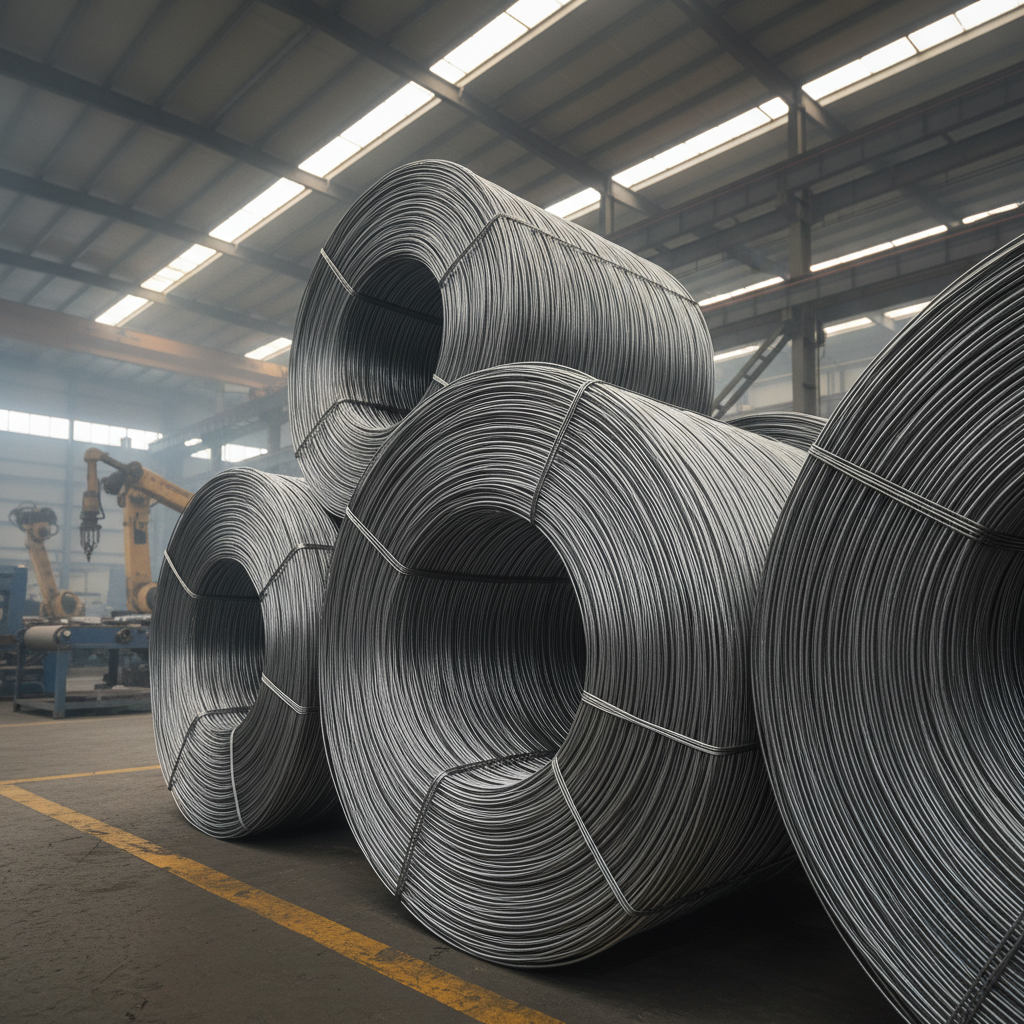
Simply put, galvanized steel wire is carbon steel that's been coated with zinc. This zinc coating is what gives it that signature silvery look and, more importantly, protects it from rusting. It’s not just about aesthetics; it's about longevity. We’re talking decades of reliable performance, even in harsh environments. This makes it essential for everything from critical infrastructure projects to more everyday applications. It’s a relatively low-tech process – hot-dip galvanizing is the most common – but the impact on modern construction and industries like agriculture, telecommunications, and energy is massive.
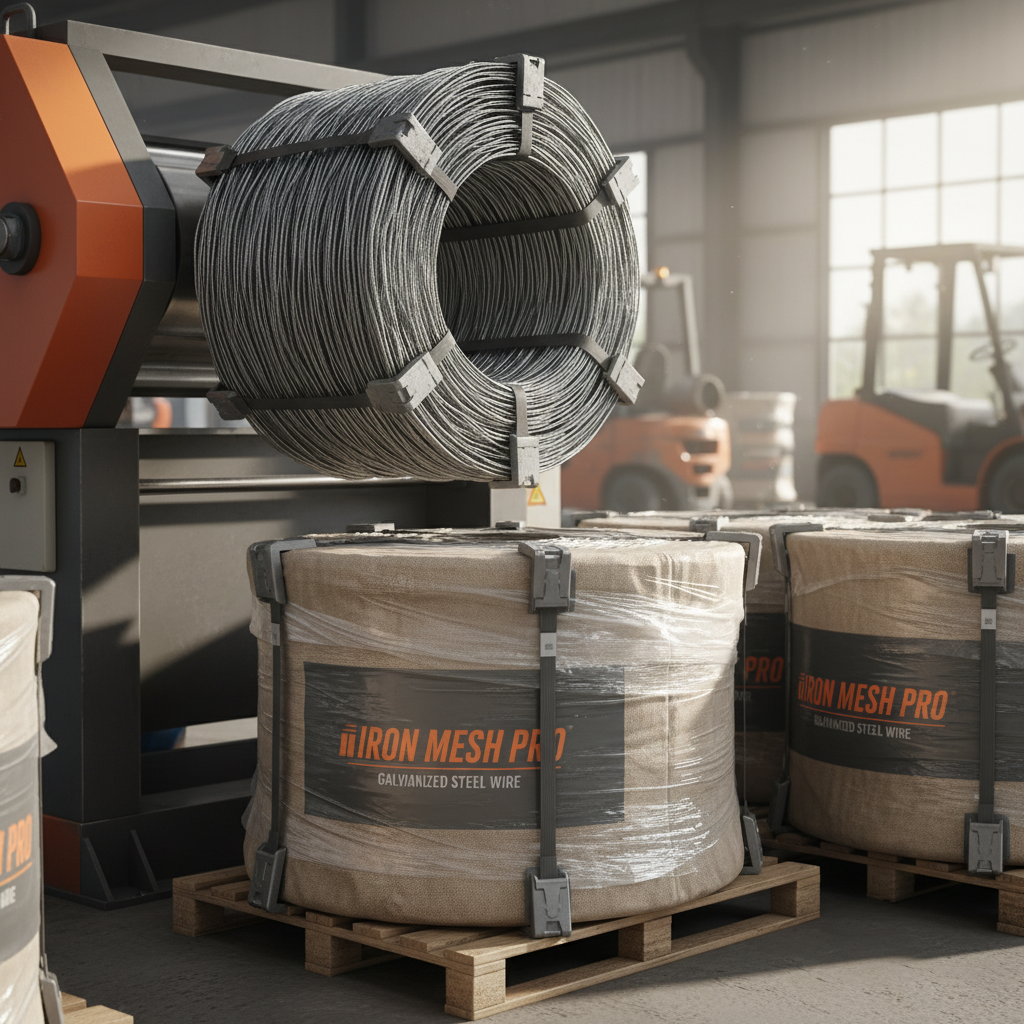
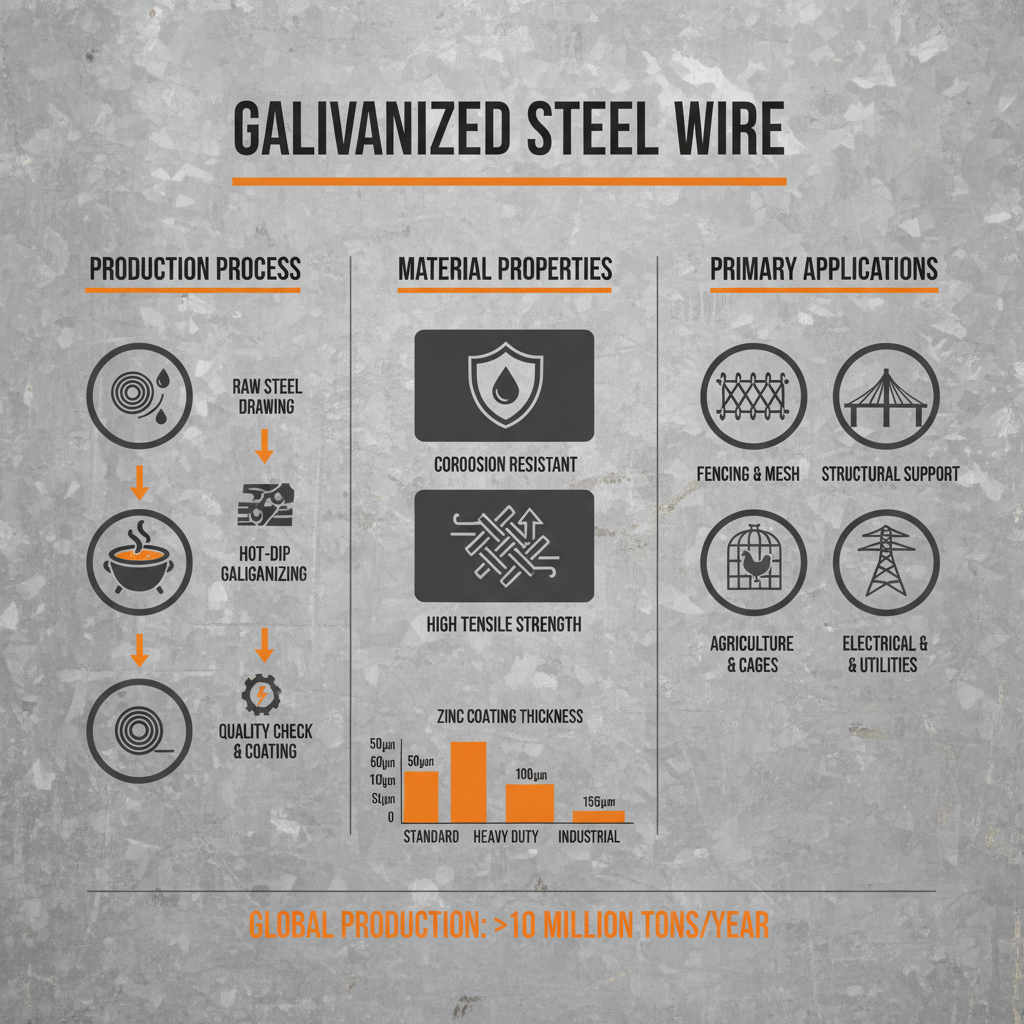
I’ve seen projects delayed, even halted, because the wire they used wasn't up to spec. The initial cost savings of going with a cheaper alternative vanish quickly when you factor in the cost of rework, potential safety hazards, and shortened lifespan of the structure. What’s often overlooked is how much effort goes into ensuring the galvanized coating is uniform and free of defects. We often do spot checks on site; it's not just about trusting the mill certificate. galvanized steel wire is a critical component that underpins much of our built world.
Think about bridge cables, high-tension power lines, or even the simple wire fencing around a construction site. They all rely on the protective qualities of galvanization. It’s about preventing catastrophic failure and ensuring public safety, and that’s something you can’t put a price on.
Hot-dip galvanizing results in a thicker coating and better corrosion resistance due to the thicker zinc layer. Electro-galvanizing offers a smoother, more consistent finish and is better suited for applications where precision is critical, but it generally provides less corrosion protection. The cost also differs significantly, with hot-dip often being more economical for large-scale projects. Ultimately, the best choice depends on the specific application and performance requirements.
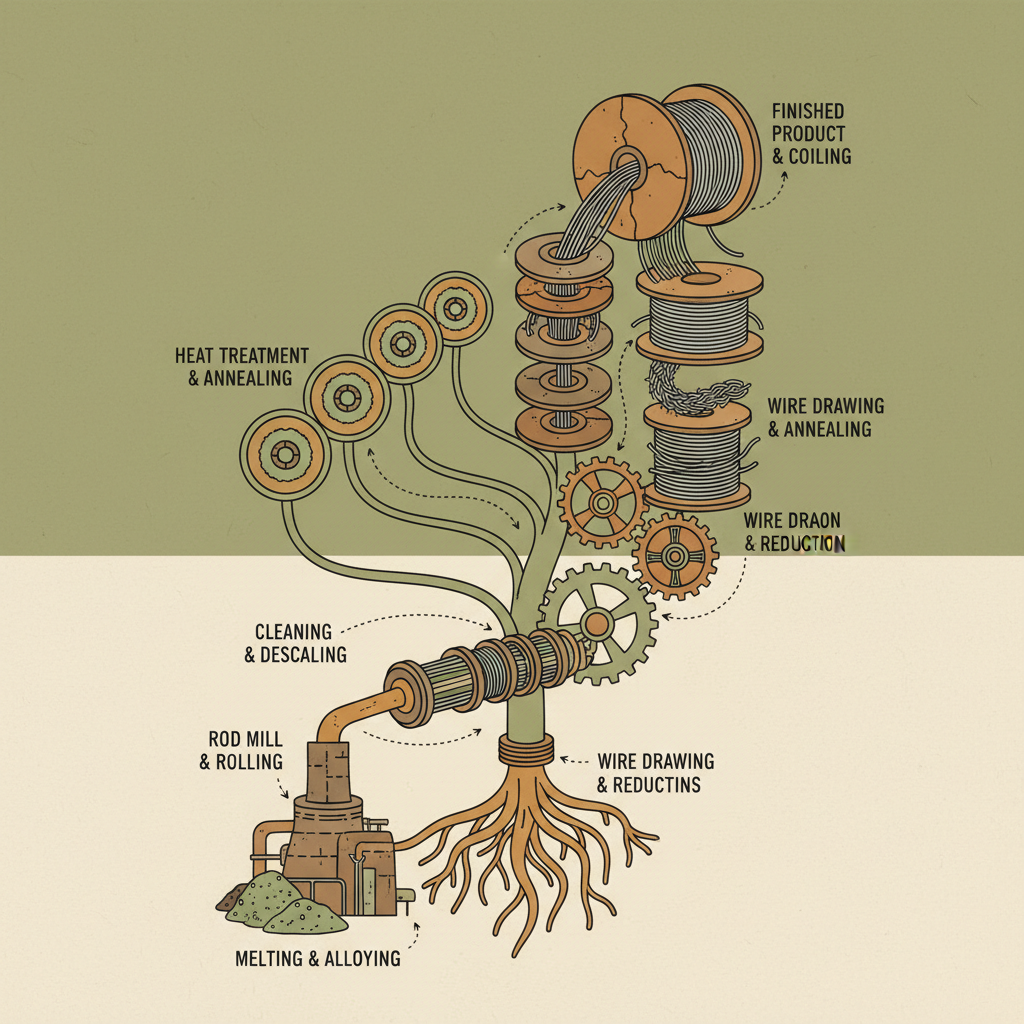
The quality of the steel is paramount. Surface contaminants like mill scale, rust, and oil must be thoroughly removed before galvanizing. Otherwise, the zinc coating won't adhere properly, leading to premature corrosion. Steel composition also plays a role; certain alloys are more challenging to galvanize than others. Proper surface preparation is not just a best practice, it’s fundamental to achieving a durable, long-lasting galvanized coating.
The galvanizing process can generate wastewater containing zinc and other metals. Responsible manufacturers invest in wastewater treatment systems to minimize environmental impact. There's also a growing focus on using recycled zinc and reducing energy consumption during the process. Life cycle assessments demonstrate that galvanized steel's longevity and recyclability contribute to its overall sustainability.
The appropriate zinc coating thickness depends on the severity of the exposure environment. Coastal areas, industrial zones with high levels of pollution, and applications involving frequent contact with moisture require thicker coatings. Standards like ASTM A123 provide guidance on selecting the appropriate coating thickness based on expected service life and exposure conditions. Consulting with a corrosion specialist is always recommended for critical applications.
Common defects include uneven coating thickness, bare spots, blisters, and white rust (zinc oxide). Look for a uniform, silvery finish without any visible imperfections. Use a magnetic coating thickness gauge to verify the coating thickness meets specifications. Any defects should be flagged and addressed with the supplier before using the wire in construction.
Yes, galvanized steel wire is commonly used in concrete reinforcement. The zinc coating provides protection against corrosion caused by the alkaline environment of concrete. However, it's important to ensure the wire is properly galvanized and meets relevant standards for concrete reinforcement applications. Some specialized coatings, like epoxy coatings, offer even greater corrosion protection in highly corrosive environments.
galvanized steel wire is a deceptively simple material that plays a vital role in modern infrastructure. Its durability, cost-effectiveness, and versatility make it an essential component in countless applications. From protecting bridges and power lines to securing fences and reinforcing concrete, it quietly underpins much of the built world around us. Understanding its properties, applications, and emerging trends is critical for anyone involved in construction, engineering, or materials science.
Looking ahead, continued innovation in coating technologies, a greater emphasis on sustainability, and the integration of digital monitoring systems will further enhance the performance and lifespan of galvanized steel wire. If you’re looking for a reliable, long-lasting material for your next project, galvanized steel wire is a smart choice. Visit our website at www.lanyewiremesh.com to learn more about our products and services.

Contact Us Now. 100% Customer Satisfaction Guaranteed
Newsletter