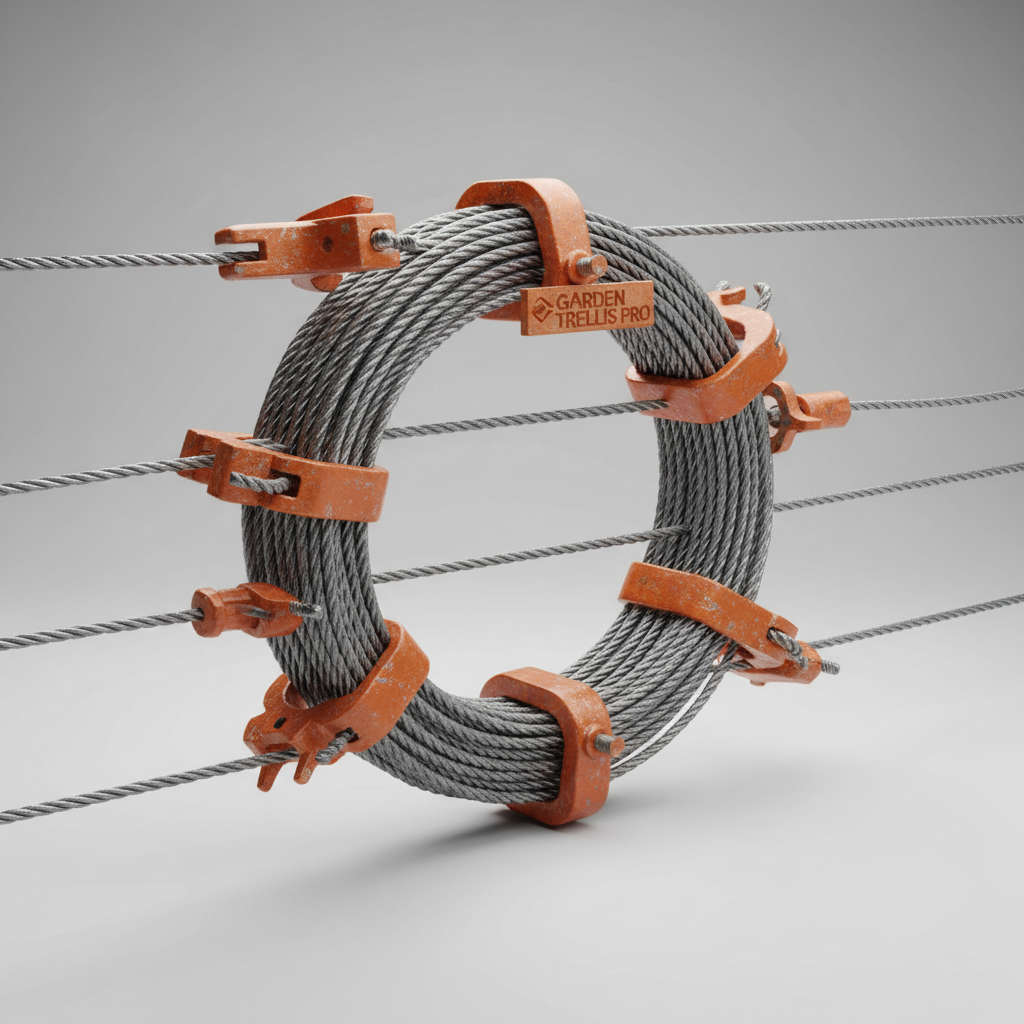
Garden training wire, a seemingly simple agricultural tool, plays a vital role in modern horticulture and beyond. Its applications range from supporting climbing plants in domestic gardens to enabling large-scale agricultural production and even contributing to innovative construction techniques. Understanding the properties and applications of garden training wire is crucial for maximizing yields, promoting sustainable agricultural practices, and exploring new possibilities in material science and engineering. garden training wire isn’t just about holding plants up; it’s about shaping growth and maximizing potential.
Globally, the demand for efficient and sustainable agricultural practices is steadily increasing, driven by a growing population and the need to address food security concerns. The United Nations Food and Agriculture Organization (FAO) estimates that agricultural production needs to increase by 70% by 2050 to feed a projected 9.7 billion people. This necessitates innovative solutions, and efficient plant support systems, utilizing materials like garden training wire, are critical components. Furthermore, the rise of urban farming and vertical agriculture is creating new demands for specialized support structures.
The core benefit lies in optimizing space, enhancing plant health, and boosting yields. By providing structural support, garden training wire allows plants to maximize sunlight exposure, improve air circulation, and reduce disease incidence. This translates to healthier plants, increased fruit production, and ultimately, a more sustainable and efficient agricultural system. Proper use of garden training wire is a cost-effective way to significantly improve agricultural output.
The Importance of Garden Training Wire
Garden training wire is more than just a supporting element; it’s a foundational component of many successful horticultural practices. From delicate grapevines to robust tomato plants, this versatile material provides the necessary structure for optimal growth and yield. Its importance stems from the ability to manipulate plant growth, maximize sunlight exposure, and ultimately, increase agricultural productivity. garden training wire is a fundamental investment for gardeners and farmers alike.
The benefits extend beyond simply supporting plants. Utilizing garden training wire correctly can improve air circulation around foliage, reducing the risk of fungal diseases. It also allows for easier harvesting and maintenance, ultimately reducing labor costs and improving overall efficiency. Selecting the right type of garden training wire is crucial for ensuring its effectiveness and longevity.
Defining Garden Training Wire
Garden training wire is a flexible, typically galvanized steel or plastic-coated metal wire, specifically designed to provide support for climbing or spreading plants. It’s used to guide plant growth, create structured shapes, and maximize space utilization in gardens, vineyards, and orchards. Unlike heavier, more rigid supports, garden training wire offers a balance of strength and flexibility, allowing plants to grow naturally while remaining securely supported. garden training wire is tailored to the demands of diverse plant types.
Its connection to modern industry lies in the demand for efficient and sustainable agricultural practices. As the global population continues to grow, the need for increased food production necessitates the use of materials and techniques that maximize yields while minimizing environmental impact. Garden training wire contributes to this goal by optimizing plant growth and reducing the need for pesticides and herbicides.
Furthermore, the production of garden training wire itself is often subject to strict quality control standards, ensuring its durability and resistance to corrosion, making it a reliable and long-lasting investment for growers. This adherence to quality standards connects the product to broader industrial practices focused on longevity and sustainability.
Key Properties of Garden Training Wire
Several key properties define the quality and effectiveness of garden training wire. These include its tensile strength, which determines its ability to withstand weight and stress; its corrosion resistance, crucial for long-term outdoor use; and its flexibility, allowing for easy manipulation and shaping. The gauge (thickness) of the wire also plays a significant role, with thicker wires providing greater support for heavier plants. garden training wire's properties directly impact its performance.
Another important consideration is the wire's coating. Galvanized steel wire offers excellent corrosion resistance, while plastic coatings provide additional protection and can also help to prevent damage to delicate plant stems. The type of coating also affects the wire’s aesthetic appeal, allowing gardeners to choose a material that blends seamlessly with their garden design. The choice between galvanized and coated wire depends on specific environmental conditions and plant requirements.
Finally, the wire’s elongation properties are important. A wire with some degree of elongation will be more resistant to breakage under stress, allowing it to bend and flex rather than snap. This is particularly important in areas prone to strong winds or heavy snowfall. Choosing a wire with the appropriate combination of these properties ensures optimal performance and longevity.
Durability and Longevity
The durability of garden training wire is paramount to its long-term value. Exposure to the elements – rain, sun, and fluctuating temperatures – can significantly impact the wire’s integrity. Galvanized steel wire, with its protective zinc coating, offers superior corrosion resistance, making it a preferred choice for outdoor applications. Regular inspection for signs of rust or damage is still recommended to ensure continued performance.
The lifespan of garden training wire can vary depending on the material, coating, and environmental conditions. However, high-quality galvanized steel wire can easily last 10-20 years or more with proper maintenance. Plastic-coated wire offers similar longevity, with the added benefit of preventing damage to plant stems. Selecting a durable material is a cost-effective investment that reduces the need for frequent replacements.
Durability Ratings of Different Garden Training Wire Types
Global Applications of Garden Training Wire
The applications of garden training wire extend far beyond home gardens. In vineyards across France, Italy, and California, it’s used to support grapevines, maximizing fruit yield and quality. In orchards in Washington State and Chile, it provides structural support for fruit trees, enabling efficient harvesting and preventing damage from wind and weather. garden training wire is essential in large-scale agriculture.
In Asia, particularly in countries with intensive agricultural practices like China and Japan, garden training wire is widely used in the cultivation of a diverse range of crops, including tea, persimmons, and kiwi fruit. These applications highlight the versatility and adaptability of this simple yet effective material, addressing the unique needs of different growing environments and crop types.
Advantages and Long-Term Value
The advantages of using garden training wire are multifaceted. Cost-effectively, it presents a low-investment solution compared to more elaborate support structures. From a sustainability perspective, galvanized steel is recyclable, reducing its environmental footprint. The increased yields achieved through proper plant support contribute to food security and reduce the need for land expansion, further enhancing sustainability.
Socially, using garden training wire empowers growers to increase their productivity and income, improving their livelihoods. The improved safety resulting from stable plant structures also contributes to a more positive working environment. Finally, the consistent performance and reliability of quality garden training wire foster trust and confidence among users, establishing it as a valuable tool for both amateur and professional growers.
The emotional benefit of seeing a flourishing, well-supported garden adds to the value, creating a sense of accomplishment and connection to nature. This combination of practical, social, and emotional benefits makes garden training wire a truly worthwhile investment.
Future Trends and Innovations
Future trends in garden training wire focus on developing more sustainable and eco-friendly materials. Research into biodegradable polymers and alternative metal alloys is underway, aiming to reduce the environmental impact of wire production and disposal. The integration of smart technology, such as sensors embedded within the wire, is also being explored to monitor plant health and growth patterns.
Digital transformation is playing a role, with the development of software tools to optimize wire placement and support systems based on plant species and growing conditions. Automation in the installation of garden training wire is another area of innovation, potentially reducing labor costs and improving efficiency. These advancements promise to further enhance the value and versatility of this essential agricultural tool.
Furthermore, there’s growing interest in utilizing recycled materials in the production of garden training wire, promoting a circular economy and reducing reliance on virgin resources. These innovations align with broader sustainability goals and demonstrate a commitment to responsible agricultural practices.
Briefly summarize the core of "Theme Seven"
| Wire Type |
Corrosion Resistance (1-10) |
Tensile Strength (MPa) |
Cost per Meter ($) |
| Galvanized Steel |
9 |
300 |
0.50 |
| Plastic Coated Steel |
8 |
280 |
0.65 |
| Stainless Steel |
10 |
500 |
1.20 |
| Black Annealed Wire |
4 |
200 |
0.30 |
| High Tensile Wire |
7 |
400 |
0.75 |
| Biodegradable Polymer Wire |
5 |
150 |
0.90 |
FAQS
For tomatoes, galvanized steel wire or plastic-coated steel wire is generally recommended. Galvanized steel provides excellent strength and durability, while the plastic coating prevents damage to the plant stems. A gauge of 12-14 is suitable for most tomato varieties. It’s crucial to select a wire that can withstand the weight of the mature fruit and foliage. garden training wire is well suited for this application.
Regular inspection, at least twice a year (spring and fall), is essential. Look for signs of rust, corrosion, or breakage, particularly in areas exposed to harsh weather conditions. Replace any damaged wire immediately to prevent plant damage or collapse. Consistent inspection prolongs the lifespan and effectiveness of the wire.
Yes, absolutely! Garden training wire is an ideal material for espaliering, a technique of training fruit trees to grow flat against a wall or fence. The wire provides the necessary support for branches and encourages the desired shape. Using multiple horizontal wires spaced appropriately is key to successful espaliering.
Plastic-coated wire is generally preferred for delicate plants as it minimizes the risk of stem damage. The coating provides a protective barrier, preventing the wire from cutting into the plant tissue. However, ensure the plastic coating is durable and doesn't degrade quickly in sunlight. Galvanized steel can be used with padding or ties to protect delicate stems.
Use appropriate fasteners such as staples, screws, or wire ties designed for outdoor use. Ensure the fasteners are corrosion-resistant to prevent rust and maintain a secure connection. Avoid over-tightening the wire, as this can damage the plant or the supporting structure. Regularly check the fasteners for looseness and tighten as needed.
The environmental impact varies depending on the material. Galvanized steel is recyclable, which is a positive aspect. However, the production of steel can be energy-intensive. Plastic-coated wire introduces plastic into the environment, although it can prolong the wire's lifespan. New biodegradable polymer wire options are emerging as a more sustainable alternative, reducing the overall environmental footprint.
Conclusion
Garden training wire, in its various forms, is a cornerstone of modern horticultural practices. From ensuring optimal plant growth and maximizing yields to promoting sustainable agriculture and inspiring innovative construction techniques, its benefits are far-reaching and significant. Understanding its key properties, applications, and future trends is crucial for anyone involved in gardening, farming, or related fields. garden training wire truly empowers growers and contributes to a more sustainable food system.
Looking ahead, continued innovation in materials and technology will undoubtedly enhance the versatility and sustainability of garden training wire. The development of biodegradable options, smart wire systems, and automated installation methods promise to further revolutionize the agricultural landscape. Investing in high-quality garden training wire is not merely a purchase; it’s an investment in the future of sustainable food production and a commitment to a thriving, greener world.