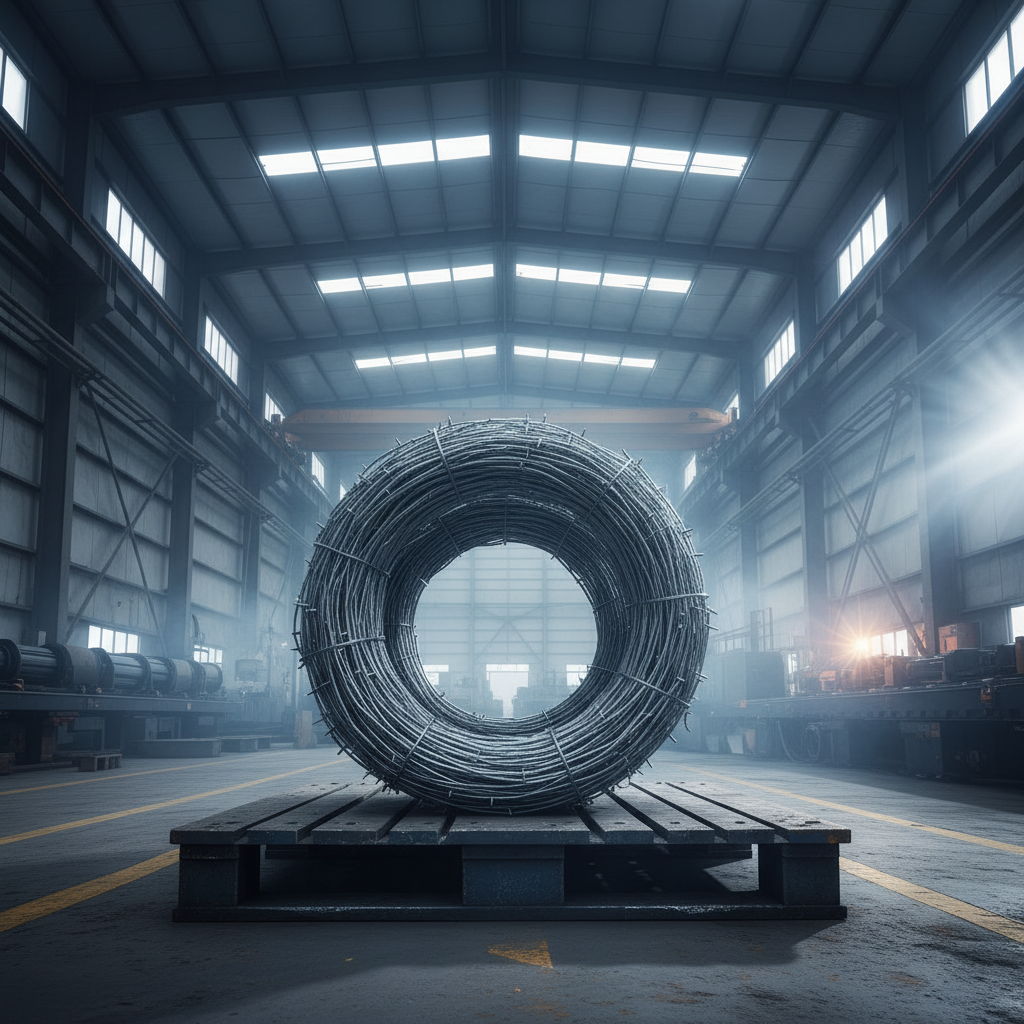
Tie wire, a seemingly simple component, plays a crucial role in a surprisingly vast array of applications globally. From securing rebar in concrete structures to bundling products for shipping, its strength, flexibility, and cost-effectiveness make it indispensable across numerous industries. Understanding its properties and applications is vital for engineers, construction workers, manufacturers, and even those involved in disaster relief efforts.
The global demand for tie wire is closely linked to infrastructure development, construction activity, and manufacturing output. With the United Nations projecting a global population of nearly 10 billion by 2050, and a corresponding increase in urbanization, the demand for robust building materials – and the tools to assemble them – will continue to rise. This increase brings with it a need for sustainable and efficient solutions, creating opportunities for innovation in tie wire production and application.
The versatility of tie wire makes it a critical tool for addressing several key global challenges, from building affordable housing to rapidly deploying temporary structures in emergency situations. Its ability to provide a secure, reliable connection quickly and efficiently sets it apart, offering a practical solution where speed and strength are paramount.
Understanding the Fundamentals of tie wire
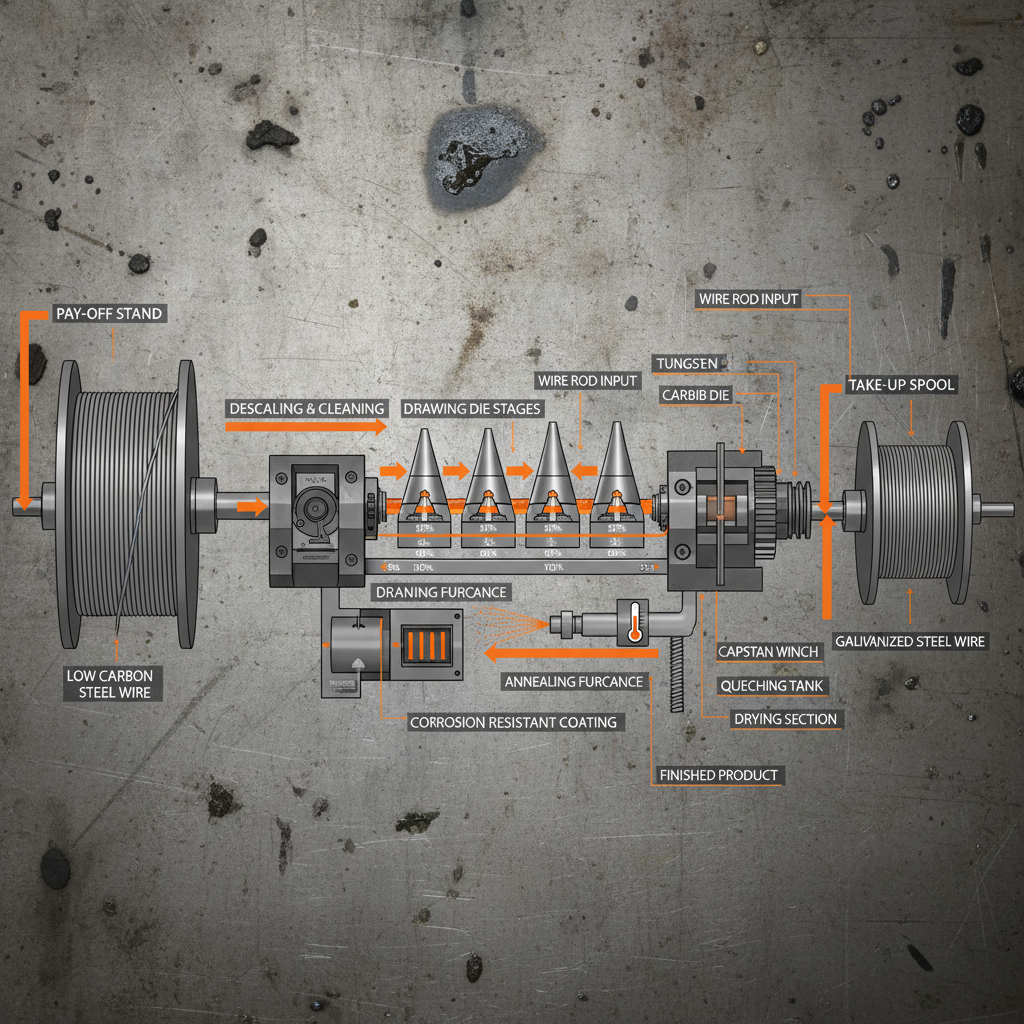
At its core, tie wire is a soft, pliable steel wire used for fastening or bundling. It’s characterized by its low tensile strength, making it easy to twist and cut, yet still strong enough to provide a secure temporary hold. The most common material is low-carbon steel, chosen for its ductility and cost-effectiveness, but other alloys are used for specialized applications.
The effectiveness of tie wire hinges on its ability to conform to irregular shapes and create a reliable connection without damaging the materials being bound. Its versatility extends beyond construction; it's vital in horticulture for supporting plants, packaging for securing goods, and even in artistic applications where a malleable, strong wire is needed.
The Definition and Significance of tie wire
Tie wire is defined as a flexible wire, typically made of low-carbon steel, designed to temporarily bind materials together. Unlike welding or permanent fasteners, tie wire provides a non-destructive method of joining, allowing for easy disassembly and readjustment. Its primary function isn’t long-term structural support, but rather temporary stability during assembly, transport, or storage.
The significance of tie wire extends far beyond its simplicity. In modern industry, it streamlines processes, reduces labor costs, and minimizes material waste. It’s a critical component in construction projects, enabling the rapid assembly of rebar cages before concrete pouring, ensuring structural integrity.
Furthermore, tie wire plays a role in humanitarian efforts. In disaster relief scenarios, it can be used to quickly construct temporary shelters, secure damaged structures, or bundle essential supplies for distribution. Its accessibility and ease of use make it a vital resource in emergency situations.
Key Characteristics Defining tie wire Quality
Durability is paramount. Although tie wire is designed for temporary use, its resistance to corrosion and breakage is crucial. High-quality tie wire can withstand handling, transportation, and exposure to various environmental conditions without losing its integrity.
Flexibility is another key characteristic. The wire must be pliable enough to bend and twist easily around objects without snapping or distorting. This ensures a secure and uniform connection, even with irregularly shaped items. The gauge, or thickness, directly impacts flexibility – thinner gauges are more flexible but offer less strength.
Consistent tensile strength is vital for reliability. Variations in strength can lead to failures, particularly in applications where the wire is subjected to stress. Manufacturers employ strict quality control measures to ensure that each coil meets specified strength requirements. Proper annealing processes also contribute to consistent performance.
Diverse Applications of tie wire Globally
Tie wire finds extensive use in the construction industry, primarily for securing rebar (reinforcing steel) within concrete forms. This ensures proper placement and prevents movement during the pouring and curing process. This is essential for the structural integrity of buildings, bridges, and other infrastructure projects.
In agriculture, tie wire is employed for supporting plants, training vines, and constructing trellises. Its flexibility allows it to gently guide plant growth without causing damage, improving yields and aesthetics. It's particularly common in vineyards and orchards.
Tie Wire Application Comparison by Industry
Advantages and Long-Term Value of tie wire
One of the most significant advantages of tie wire is its cost-effectiveness. Compared to other fastening methods like welding or using clips, tie wire represents a substantially lower initial investment, especially for large-scale projects. This is particularly important in developing countries with limited budgets.
Beyond cost, tie wire's ease of use contributes to labor savings. It requires minimal training and can be quickly applied by hand, reducing the time needed for assembly and increasing overall productivity. This efficiency translates to reduced project timelines and lower labor costs.
Future Trends in tie wire Technology
Research is ongoing to develop more sustainable tie wire options. Exploring bio-degradable coatings and utilizing recycled steel content are gaining traction as environmentally conscious alternatives. This addresses growing concerns about waste and resource depletion.
Automated tying tools are also becoming increasingly prevalent. These tools, often battery-powered, significantly increase speed and reduce worker fatigue, especially in repetitive tasks. Integration with robotics is a potential future development, further streamlining construction and manufacturing processes.
The development of smart tie wire, incorporating sensors to monitor stress and strain, is another emerging trend. This could provide valuable data for structural health monitoring and early detection of potential failures.
Challenges and Innovative Solutions in tie wire Use
A primary challenge with tie wire is its susceptibility to corrosion, especially in harsh environments. This can compromise its integrity and lead to premature failure. Galvanized or coated tie wire offers improved corrosion resistance, but adds to the cost.
Another challenge is the potential for worker injury due to sharp wire ends. Manufacturers are addressing this by developing tie wire with pre-cut, rounded ends or offering specialized tools for safe cutting and handling. Proper training on safe work practices is also essential.
Finally, ensuring consistent wire tension during tying can be difficult, leading to unevenly secured bundles. Automated tying tools with adjustable tension settings provide a solution to this problem, ensuring a consistent and reliable connection.
Summary of Challenges and Solutions in Tie Wire Application
| Challenge |
Impact Area |
Solution |
Effectiveness Rating (1-10) |
| Corrosion |
Structural Integrity |
Galvanized/Coated Wire |
8 |
| Worker Injury (Sharp Ends) |
Workplace Safety |
Rounded End Wire/Safe Tools |
9 |
| Inconsistent Tension |
Bundle Security |
Automated Tying Tools |
7 |
| Material Waste |
Sustainability |
Recycled Steel Content |
6 |
| Manual Labor Intensity |
Productivity |
Robotic Integration |
5 |
| Lack of Real-time Monitoring |
Structural Health |
Smart Tie Wire (Sensor Integration) |
4 |
FAQS
The optimal gauge for rebar tying generally falls between 16 and 18 gauge. 16 gauge provides greater strength for heavier rebar applications, while 18 gauge offers better flexibility for tighter spaces. The specific choice depends on the rebar size and the project requirements. Always consult local building codes and engineering specifications for guidance.
Rust prevention can be achieved through several methods. Using galvanized tie wire, which has a zinc coating, significantly increases corrosion resistance. Alternatively, applying a rust-inhibiting coating after tying can provide protection. Proper storage in a dry environment is also crucial. For long-term exposure, stainless steel tie wire offers the highest level of corrosion resistance, although at a higher cost.
While tie wire might seem harmless, it can pose a risk of cuts and scratches due to its sharp ends. It’s highly recommended to wear gloves when handling tie wire to protect your hands. Additionally, use appropriate tools for cutting the wire to avoid injury. Always prioritize safety when working with any wire product.
Tie wire production, primarily using steel, has environmental impacts related to energy consumption, carbon emissions, and resource extraction. Choosing tie wire made from recycled steel can significantly reduce these impacts. Manufacturers are also exploring more sustainable production processes and bio-degradable coating options to minimize their environmental footprint.
Alternatives to tie wire include plastic zip ties, baling twine, and metal clips. However, these options often lack the strength and durability of tie wire for many applications, particularly in construction. Welding is also an alternative for permanent connections, but it requires specialized skills and equipment. The best alternative depends on the specific application requirements.
Proper storage is key to preventing tangling. Store tie wire on its original spool or reel whenever possible. If the spool is damaged, carefully wind the wire into a neat coil and secure it with tape or another tie. Avoid storing tie wire in damp or humid environments, as this can lead to corrosion and make it more prone to tangling.
Conclusion
In conclusion, tie wire remains a surprisingly versatile and essential material across a broad spectrum of industries. Its cost-effectiveness, ease of use, and adaptability make it a valuable tool for everything from construction and agriculture to packaging and emergency response. Understanding its properties and limitations, and embracing innovative solutions like recycled content and automated tools, is crucial for maximizing its benefits and minimizing its environmental impact.
Looking ahead, the future of tie wire lies in sustainable materials, smart technologies, and optimized application methods. Further research and development will undoubtedly lead to even more efficient and environmentally friendly solutions, solidifying tie wire’s role as a critical component in building and maintaining our world. For all your tie wire needs, visit our website: www.lanyewiremesh.com