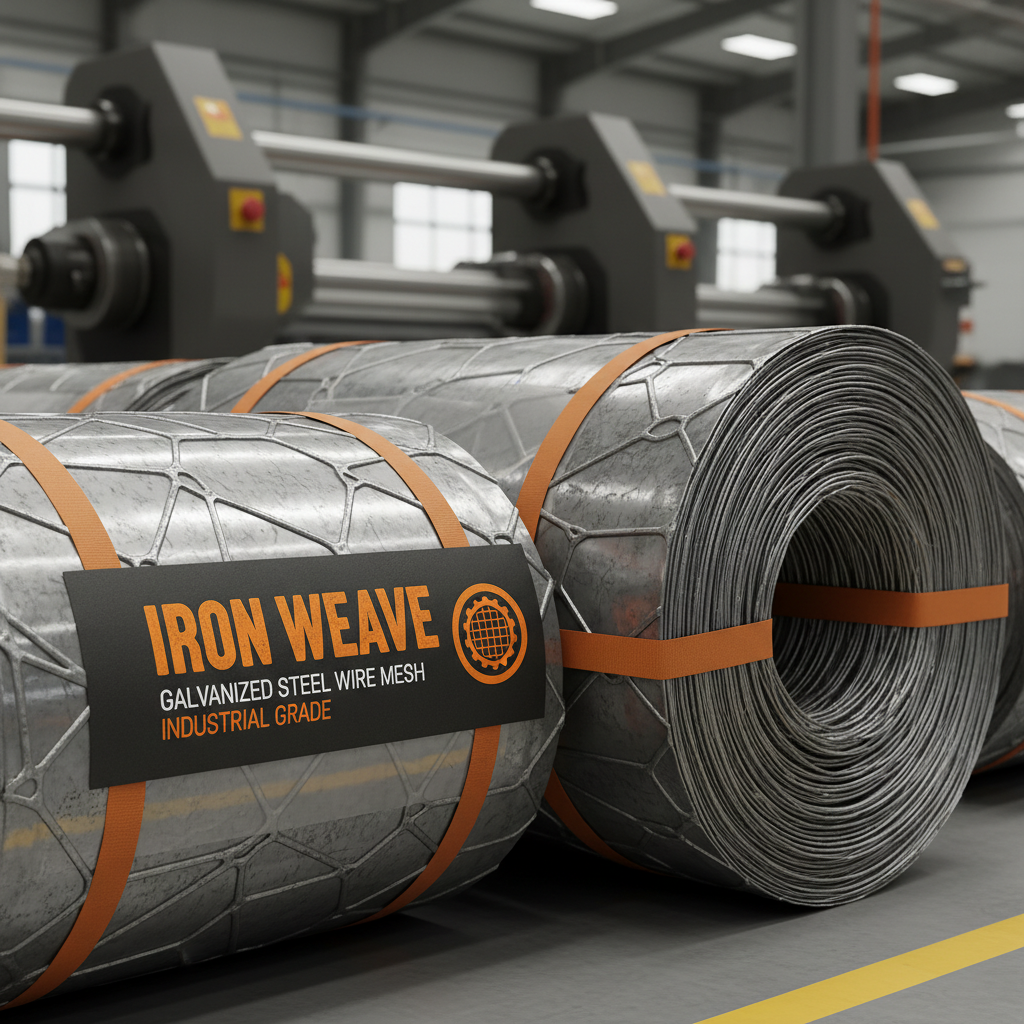
galvanised steel wire mesh. It’s not just a material; it’s the backbone of countless projects I’ve seen rise from the ground. I've spent years on sites, getting my hands dirty, seeing what works and – crucially – what doesn’t. And let me tell you, a good quality mesh can make or break a schedule, a budget, and ultimately, the safety of everyone involved. The demand is huge. According to the World Bank, infrastructure spending in developing nations is projected to reach trillions in the coming decade, and a significant portion of that relies on robust, reliable materials like galvanised steel wire mesh. The challenge isn't just having the mesh, it’s having the right type, delivered on time, and consistently meeting specifications.
I’ve seen projects delayed for weeks, waiting on substandard mesh that buckles under load or corrodes before it’s even fully installed. That's where understanding the nuances of galvanisation – the coating process – comes in. It’s not a one-size-fits-all. Different environments demand different levels of protection. Coastal areas need thicker coatings, industrial sites need resistance to specific chemicals, and so on. Proper specification is key.
From reinforcing concrete to creating protective barriers and even erosion control, this stuff is everywhere. We’re talking about everything from large-scale infrastructure projects to smaller, more localized construction efforts. It's the unglamorous hero of modern construction.
The Importance of galvanised steel wire mesh in Construction
Look, I've seen projects brought to a standstill because the galvanised steel wire mesh wasn't up to snuff. It's not a component you can afford to cut corners on. It’s fundamental to structural integrity, especially in applications like concrete reinforcement. We're talking about the difference between a building standing for decades and needing costly repairs after just a few years.
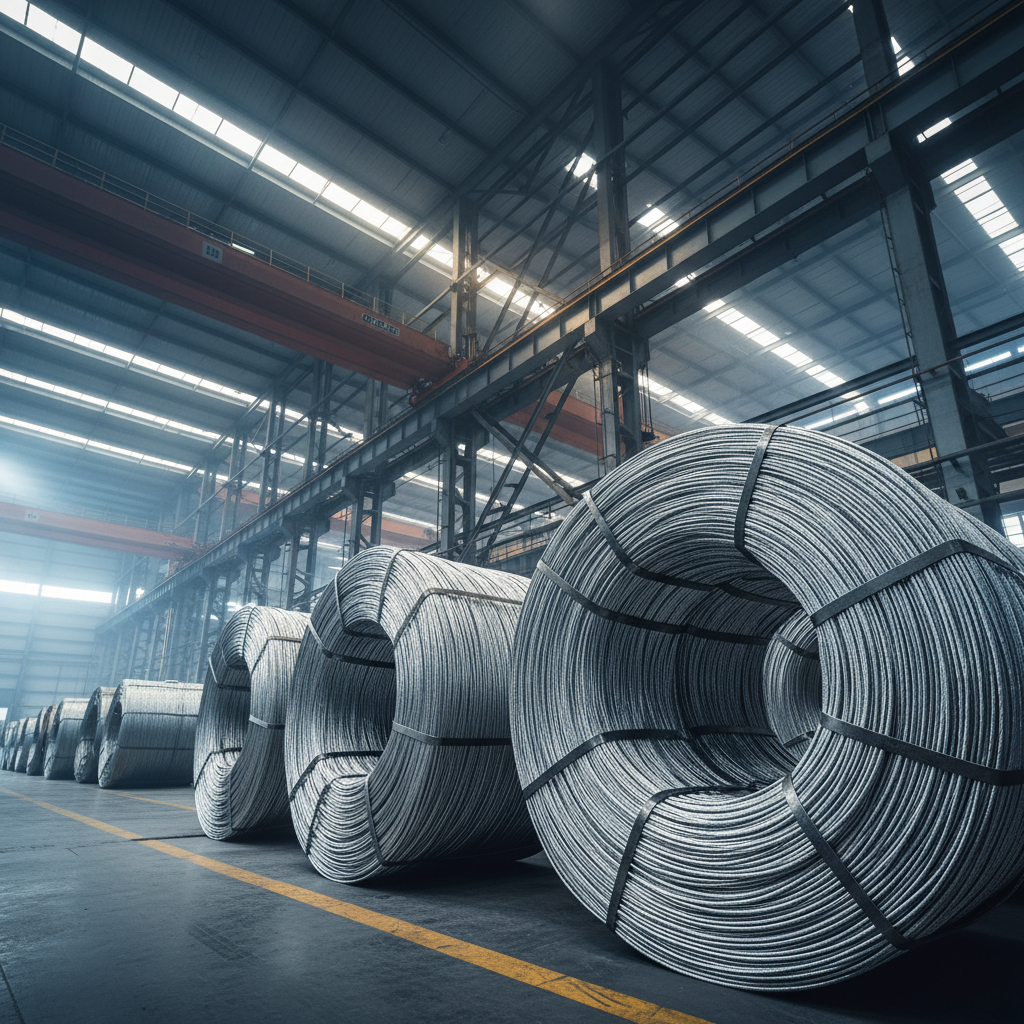
The sheer volume used globally is staggering. The ISO standards for construction materials are constantly evolving, placing ever-greater demands on material performance. Meeting those demands requires a consistent, high-quality supply of mesh, and that’s where a lot of projects run into trouble. It’s about proactive sourcing, not reactive firefighting.
Defining galvanised steel wire mesh: A Practical View
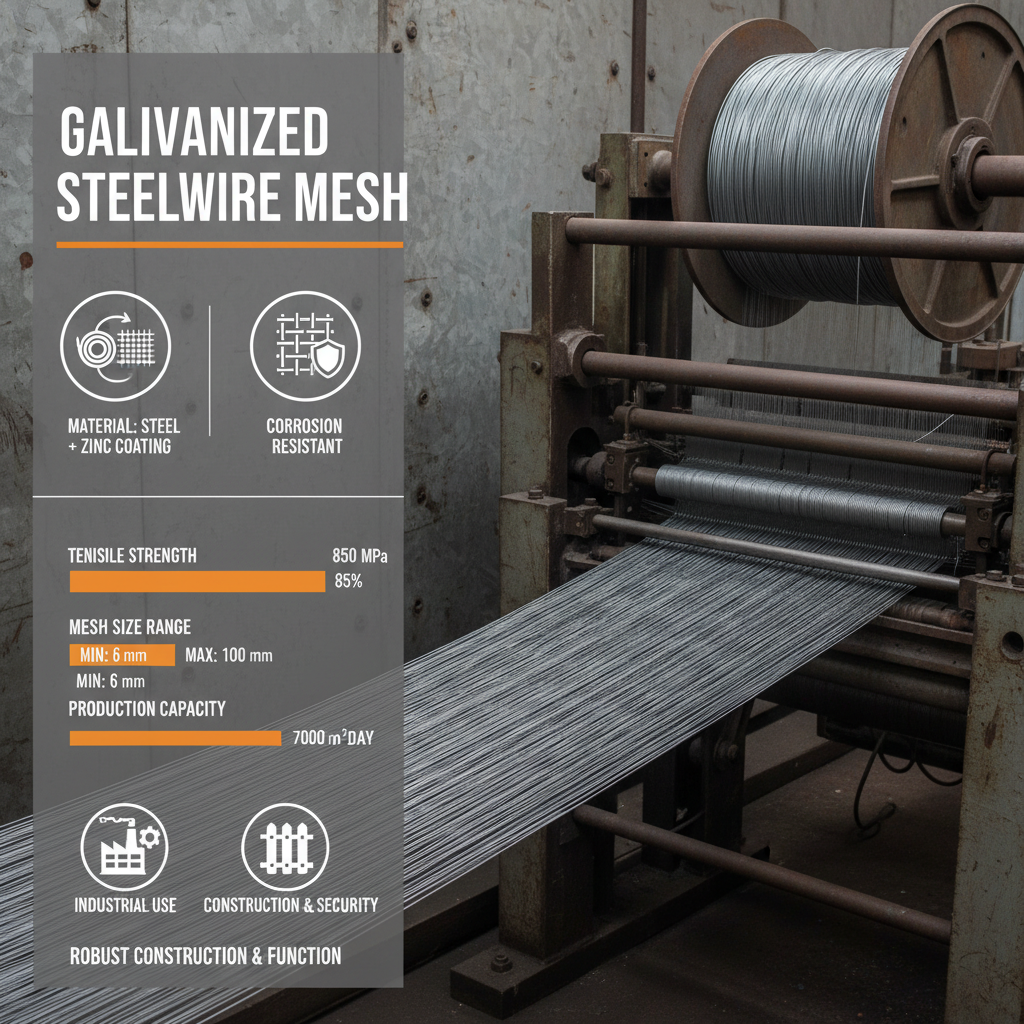
Simply put, galvanised steel wire mesh is steel wire woven into a grid, then coated with zinc to prevent corrosion. But it's not just any zinc coating. There are different methods – hot-dip galvanising, electro-galvanising, and others – each with its own advantages and disadvantages. Hot-dip generally offers a thicker, more durable coating, which is what you want in harsh environments. That's the stuff I push for.
It’s a crucial material in modern construction and infrastructure, especially in areas prone to weather, erosion, or chemical exposure. Think about remote areas where maintenance is difficult and costly – you need materials that are built to last. It's about long-term reliability and minimizing life-cycle costs.
It's also increasingly important in humanitarian applications. Rapid-deployment shelters, emergency infrastructure – these often rely on lightweight, durable, and readily available materials like galvanised steel wire mesh. It’s a practical solution when time is of the essence.
Core Characteristics of High-Quality Mesh
Durability is the big one, obviously. But it’s not just about the galvanisation. Wire gauge – the thickness of the wire – is critical. You need a gauge appropriate for the intended load and application. Too thin, and it’ll deflect and fail. Too thick, and you're wasting money and adding unnecessary weight. Aperture size – the size of the openings in the mesh – is another key factor. It dictates what can pass through it and how well it will retain materials.
Scalability is also important. Can the manufacturer consistently deliver the quantities you need, on schedule? I’ve been burned before by suppliers who promised the world and then couldn’t deliver. Having a reliable supply chain is paramount. It's about building long-term relationships with suppliers you can trust.
Cost-efficiency is important but should never come at the expense of quality. A cheaper mesh might save you money upfront, but it could cost you dearly in the long run through premature failure and costly repairs. I always advocate for investing in quality materials, even if it means a slightly higher initial cost.
Real-World Applications of galvanised steel wire mesh
You see it everywhere. In concrete structures, it's providing tensile strength and preventing cracking. On slopes, it’s acting as erosion control, holding the soil in place. In fencing, it's creating secure perimeters. I've even seen it used in landscaping for retaining walls and garden structures.
In post-disaster relief operations, galvanised steel wire mesh is invaluable for creating temporary shelters, repairing damaged infrastructure, and establishing secure zones. In remote industrial zones, it's used for reinforcing pipelines, protecting equipment, and constructing temporary access roads.
Application Ratings of galvanised steel wire mesh
Advantages and Long-Term Value Proposition
The tangible benefits are clear: reduced maintenance costs, increased structural lifespan, and improved safety. But there's also a less quantifiable benefit – peace of mind. Knowing you've used a reliable material gives you confidence in the long-term integrity of your project.
From a sustainability standpoint, galvanisation extends the life of steel structures, reducing the need for replacement and conserving resources. That’s a big win in my book. It's a durable and long lasting material.
Future Trends and Technological Advancements
We’re seeing a push towards more sustainable galvanisation processes, reducing environmental impact. There’s also research into new alloy coatings that offer even greater corrosion resistance. Digital integration is also playing a role – using sensors and data analytics to monitor the condition of mesh in real-time.
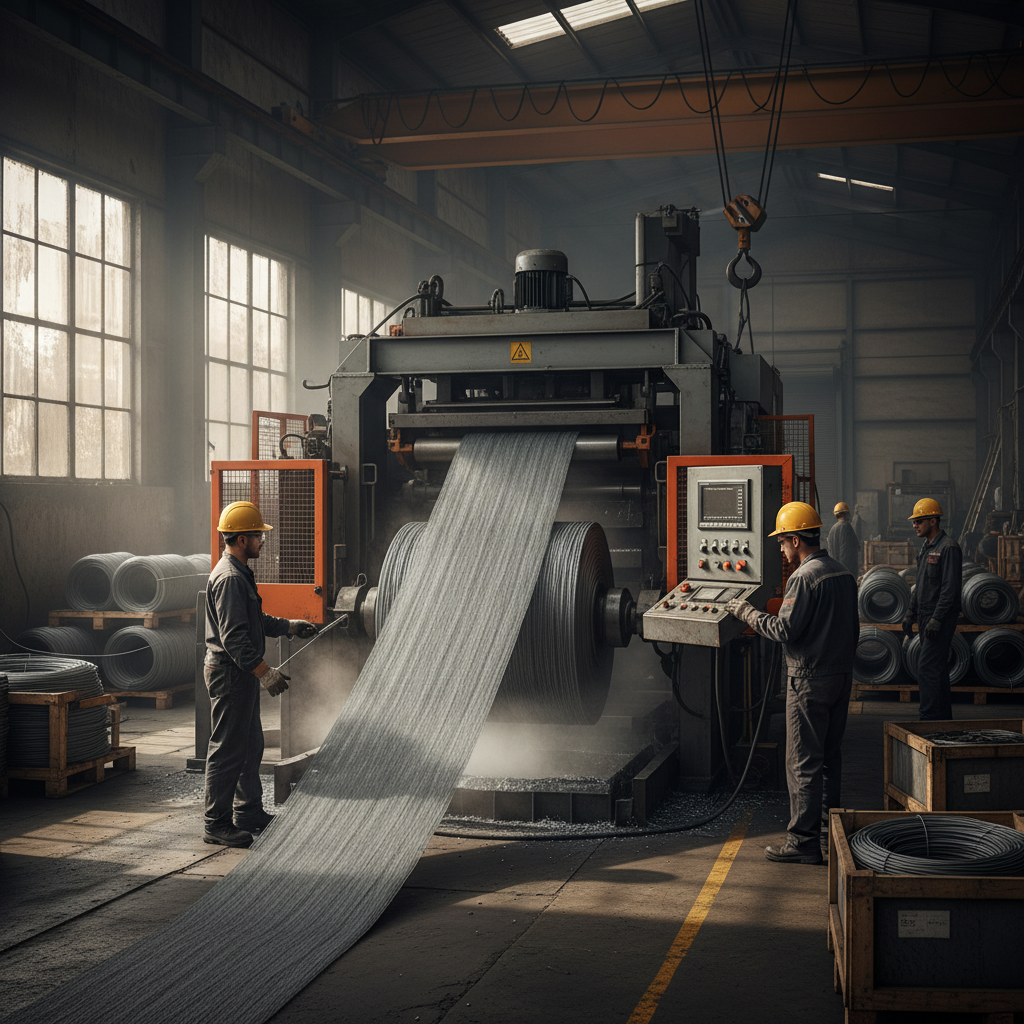
Automation in mesh manufacturing is increasing efficiency and reducing costs. And the demand for specialized mesh – tailored to specific applications – is growing. It’s about moving beyond generic solutions and offering customized products that meet the unique needs of each project.
I also expect to see increased use of galvanised steel wire mesh in green infrastructure projects, like living walls and green roofs. It’s a versatile material that can contribute to a more sustainable built environment.
Common Challenges and Innovative Solutions
One of the biggest challenges is ensuring consistent quality control throughout the manufacturing process. Variations in zinc coating thickness can significantly impact corrosion resistance. That's why rigorous testing and inspection are essential.
Another challenge is transportation and handling. Mesh can be damaged during shipping or on-site if not properly protected. Improved packaging and handling procedures are crucial.
We’re also seeing innovative solutions like using drones to inspect mesh installations and identify potential corrosion hotspots before they become major problems. It’s about leveraging technology to improve efficiency and ensure long-term performance.
Summary of Galvanised Steel Wire Mesh Challenges and Solutions
| Challenge |
Impact on Project |
Potential Solution |
Implementation Cost (1-10) |
| Inconsistent Coating Thickness |
Reduced Corrosion Resistance |
Improved Quality Control Measures |
5 |
| Damage During Transportation |
Increased Material Waste |
Protective Packaging & Handling Protocols |
3 |
| Supply Chain Disruptions |
Project Delays |
Diversified Supplier Network |
6 |
| Incorrect Mesh Specification |
Structural Weakness |
Detailed Engineering Analysis |
7 |
| Corrosion in Harsh Environments |
Reduced Lifespan of Structure |
Specialized Alloy Coatings |
8 |
| Lack of On-Site Inspection |
Undetected Installation Errors |
Drone-Based Visual Inspections |
4 |
FAQS
Hot-dip galvanising involves submerging the steel in molten zinc, creating a thick, durable coating that offers superior corrosion resistance. Electro-galvanising uses an electrical current to deposit a thinner layer of zinc. While cheaper, it’s not as robust and is better suited for less demanding applications. On most sites, I’m pushing for hot-dip. The extra cost is worth the long-term reliability.
That depends entirely on the load it needs to bear and the application. Thicker wire gauges provide greater strength, but also add weight and cost. Consult with a structural engineer to determine the appropriate gauge based on your specific project requirements. Don't guess – it's not worth the risk.
Check for any damage to the coating, like scratches or dents. Ensure the mesh is properly bundled and protected during transit. Verify the dimensions and wire gauge against your specifications. And most importantly, request a certificate of compliance to confirm the galvanisation process met industry standards.
Yes, but you'll need a thicker galvanisation coating or consider using a specialized alloy coating for enhanced corrosion resistance. Saltwater is incredibly corrosive, so it’s crucial to choose a material that can withstand the harsh conditions. Hot-dip galvanisation is generally a good starting point, but it might not be enough in extremely aggressive environments.
The lifespan varies greatly depending on the environment, the quality of the galvanisation, and the application. In a relatively mild environment, a properly galvanised mesh can last for decades. But in harsh environments, like coastal areas or industrial zones, it may need to be replaced sooner. Regular inspection and maintenance can help extend its lifespan.
Absolutely. Steel is one of the most recyclable materials on the planet. At the end of its life, galvanised steel wire mesh can be scrapped and the steel and zinc recovered for reuse. That makes it a relatively sustainable material choice, particularly when you consider its durability and long lifespan.
Conclusion
galvanised steel wire mesh isn't just a product; it's a foundational element of countless construction and infrastructure projects. Its durability, versatility, and cost-effectiveness make it an indispensable material for builders and engineers worldwide. Understanding its nuances – the different galvanisation processes, the importance of wire gauge, and the impact of environmental factors – is crucial for ensuring project success.
Looking ahead, expect to see continued innovation in materials science, manufacturing techniques, and digital integration. Embracing these advancements will allow us to build more resilient, sustainable, and efficient structures. If you’re looking for a reliable supply of high-quality galvanised steel wire mesh, visit our website today.