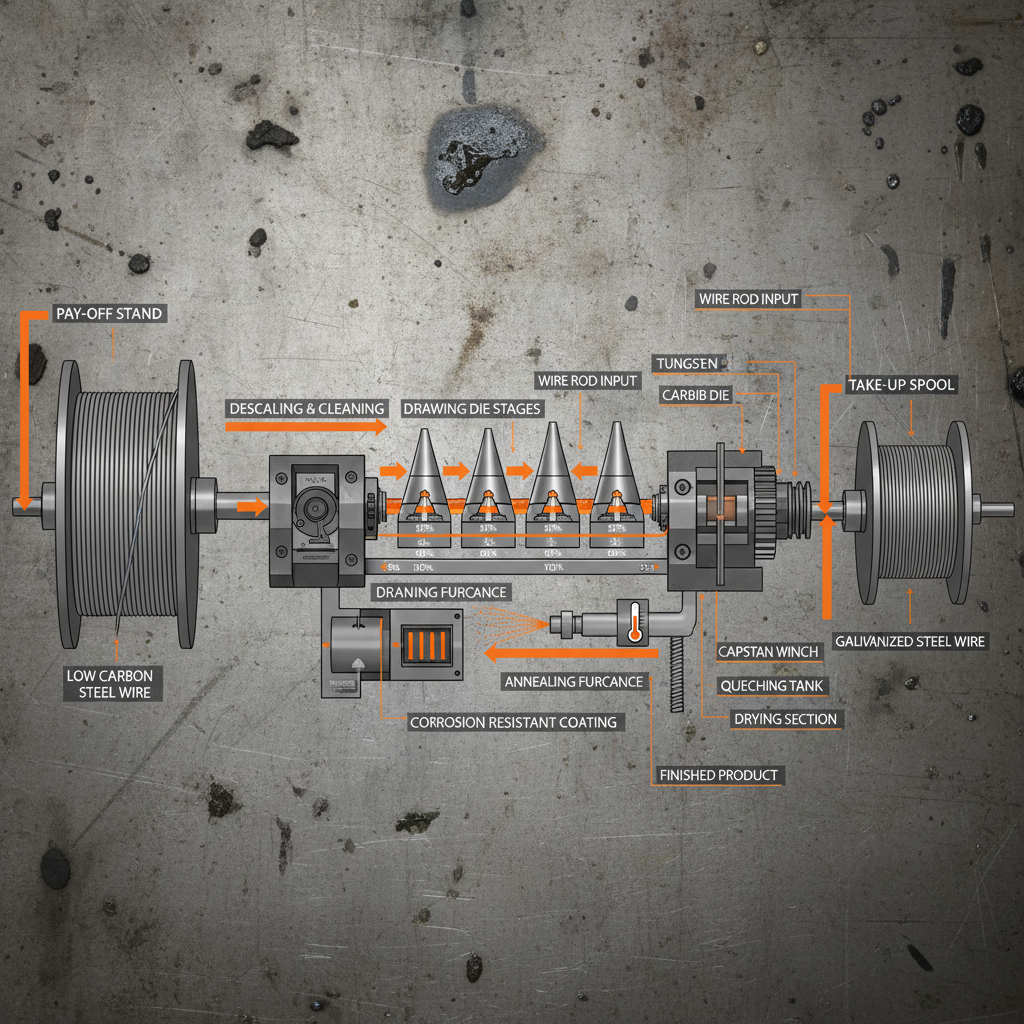
To be honest, these days everyone’s talking about prefabrication. It’s all the rage, right? Seems like every project manager is pushing for modular builds. And it’s not just hype, it's genuinely making things faster, cleaner on site. Less waste too, which the sustainability guys love. But… and there’s always a but… people forget about the details. They see the glossy brochures and the perfect renders, but they don’t realize how much hinges on getting the steel wire wholesale right. Because if that foundation isn’t solid, the whole thing wobbles.
I’ve seen too many projects where they scrimped on the wire, thinking it wasn’t a critical component. Have you noticed? They go for the cheapest quote, and then you get corrosion issues, stress fractures… it's a headache. We're not building toys here; these structures need to last. It’s like building with LEGOs – if the bricks are flimsy, the castle falls down. Simple as that.
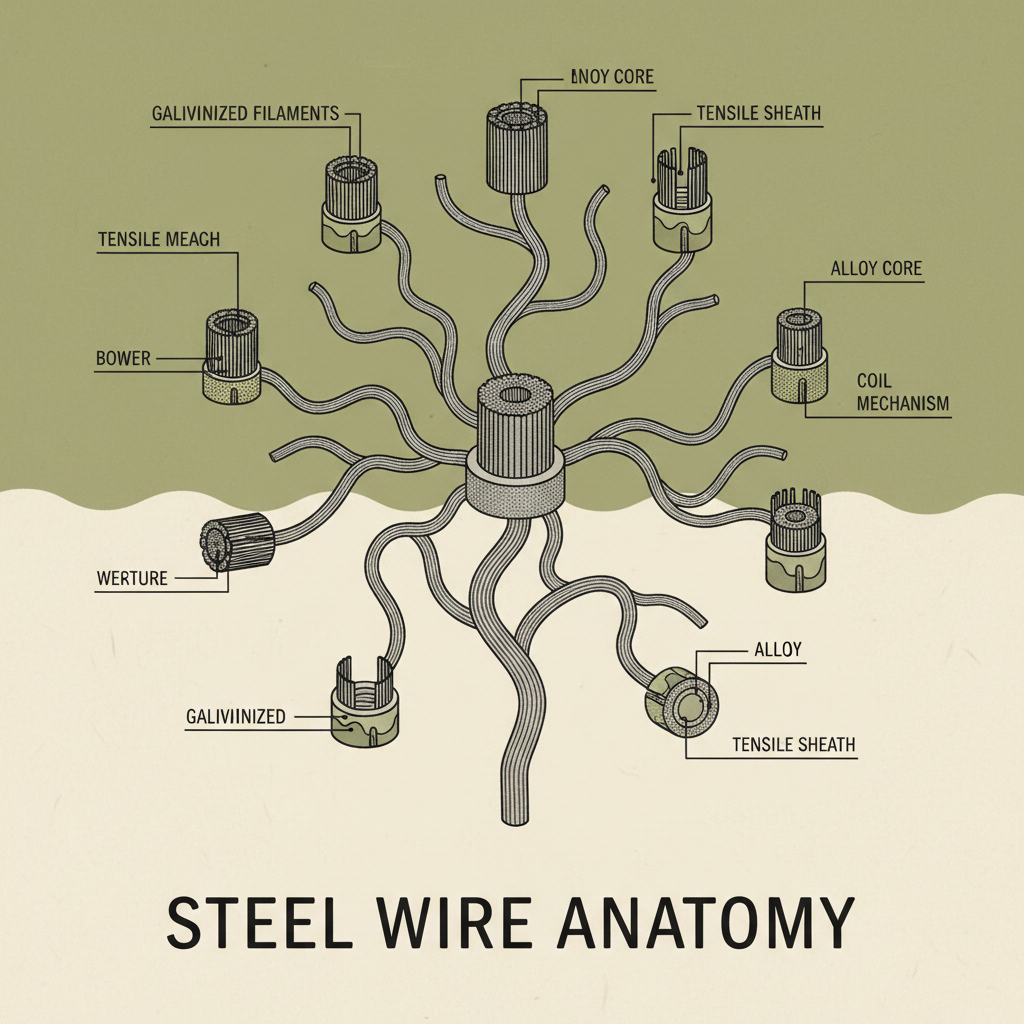
Anyway, I think the whole point is getting back to basics, and understanding materials. The stuff we use for reinforcement—the high-tensile steel wire wholesale—it’s not just ‘steel’. It’s got different grades, different coatings. There’s galvanized, epoxy coated, even stainless steel for really harsh environments. You can smell the difference on site, honestly. Galvanized has that metallic tang, epoxy coated… well, it smells like epoxy. Sounds silly, but you get used to it. And the feel – the high carbon stuff is much harder to bend, naturally.
The Rising Tide of Prefabrication & Steel Wire Wholesale
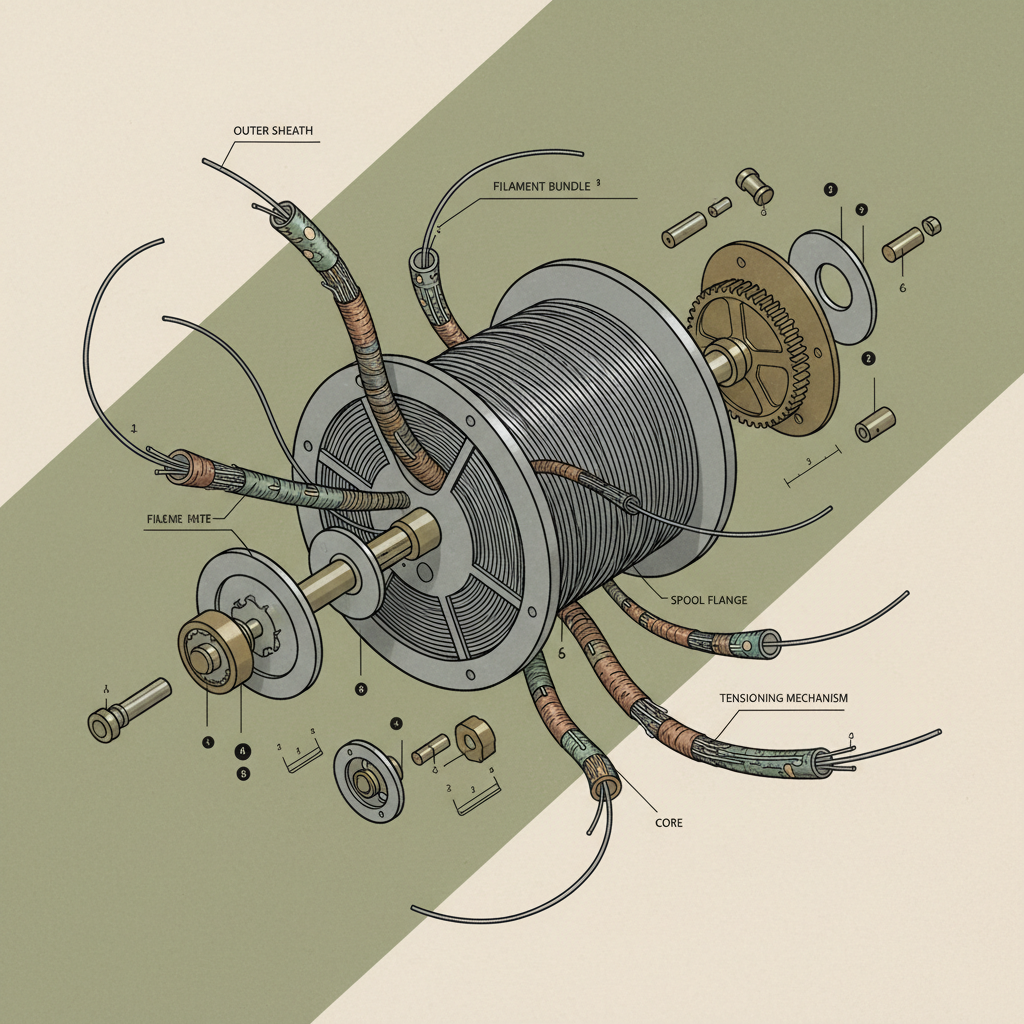
Look, prefabrication isn’t new, but the scale of it now is different. It’s driven by labor shortages, the need for speed, and this push for sustainable building practices. And at the heart of a lot of these prefabricated components? Steel wire wholesale. Reinforcing concrete, creating structural cages, holding everything together. It’s the unsung hero.
Strangely, a lot of engineers still treat it like an afterthought. They'll spend hours tweaking the concrete mix, but just spec out the cheapest steel wire wholesale they can find. It drives me crazy. I encountered this at a factory in Tianjin last time. They were building precast concrete walls for a high-rise, and the steel reinforcement was… well, let’s just say it looked like it came off a scrap heap. Later… forget it, I won’t mention it. It ended badly.
Design Pitfalls and Material Selection
One of the biggest traps I see is underestimating the load. People design these structures based on theoretical calculations, but they don’t factor in real-world stresses—wind loads, seismic activity, even just the weight of the occupants and furniture. And then they specify a steel wire wholesale that’s just not up to the task. Another common mistake is ignoring corrosion. Coastal areas, industrial sites… moisture and chemicals eat away at steel. You need to use the right coatings, and you need to inspect them regularly.
Then you get into the details of the wire itself. Different tensile strengths, different ductility levels. You want something strong enough to resist breaking, but also flexible enough to bend without snapping. It’s a balancing act. And don’t even get me started on the different types of weldable wire. Some wires are a nightmare to weld, and a bad weld is just asking for trouble.
Choosing the right material isn’t just about price, it's about understanding the environment it’s going to be in and the loads it’s going to bear. You need to consider the long term. A slightly more expensive wire now can save you a fortune in repairs later.
Hands-On with Steel Wire Wholesale: Feel, Smell & Handling
You wouldn't believe how much you learn just by handling the stuff. I’ve spent years on construction sites, and you develop a feel for what’s good quality and what isn't. Like I said before, the smell tells you a lot. That metallic tang from galvanized steel is distinct. Epoxy coated wire smells… well, chemical-y. And the weight. High tensile steel is denser, heavier. It feels solid in your hand.
The way it bends is also crucial. Cheap steel wire wholesale feels brittle, like it’s going to snap if you look at it wrong. Good quality steel bends smoothly, with a little bit of spring. And you can tell a lot by looking at the surface. It should be smooth, free of rust, and evenly coated. Don't be afraid to get your hands dirty. It’s a physical job, and you need to be able to assess the materials yourself. I once saw a shipment of wire that looked perfect on paper, but when we unrolled it, it was covered in tiny hairline cracks. The paperwork said it passed all the tests, but my gut told me something was wrong.
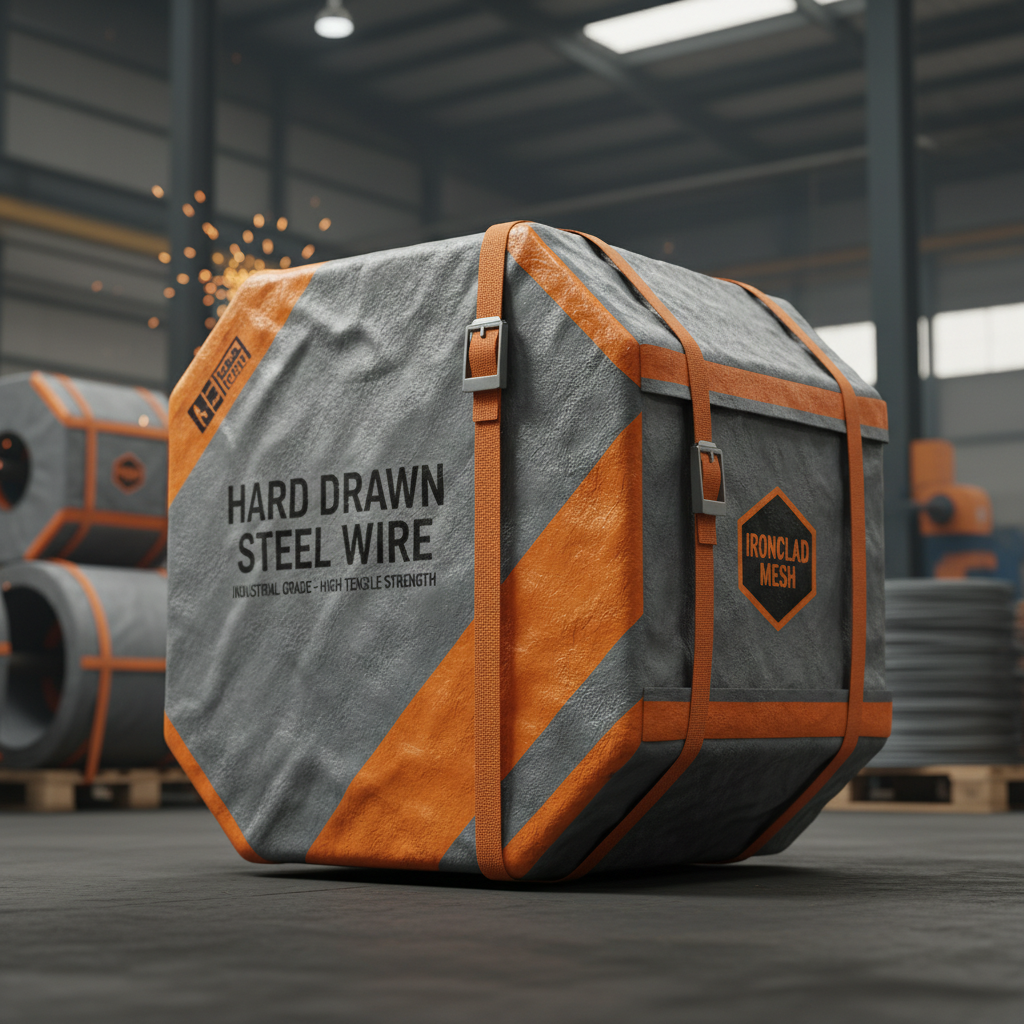
And don’t underestimate the importance of proper storage. Leaving steel wire wholesale exposed to the elements is a recipe for disaster. Rust sets in, the coating gets damaged, and the strength of the material is compromised. Keep it dry, covered, and off the ground.
Real-World Testing Beyond the Lab
Laboratory tests are important, sure. Tensile strength, yield strength, corrosion resistance – all that stuff. But those tests are conducted in controlled environments. They don’t replicate the chaos of a construction site. We do our own testing, on-site. Bend tests, pull tests, even just visual inspections. We’ll take a sample of the wire and try to bend it with our hands. If it snaps easily, we know it’s no good.
I’ve also seen guys use a cutting torch to make a quick weld and then try to break it. It’s not scientific, but it gives you a good indication of the weld’s strength. We also look for signs of corrosion after a few weeks on site, exposed to the elements.
Steel Wire Wholesale Quality Assessment – On-Site Testing
User Applications: It’s Not Always What You Expect
You think you know how people are going to use this stuff, right? Reinforce concrete, build cages, that’s it. But you’d be surprised. I saw a guy last year using it to secure a shipping container to a truck bed. He’d wrapped it around the container’s corner castings and then tied it to the truck’s anchor points. It wasn't ideal, but it worked. People get creative.
Another time, I saw a farmer using it to build a trellis for his tomato plants. Said it was stronger and more durable than the plastic netting he used to use. It's like, you design this stuff for one purpose, and then someone finds a completely different use for it. That's the beauty of it, I guess.
The Pros and Cons – A Pragmatic View
Look, steel wire wholesale is strong, durable, and relatively inexpensive. That’s why it’s been used for so long. But it's not perfect. It corrodes, it’s heavy, and it can be difficult to handle. And the quality varies wildly. You really have to know what you're buying.
One thing I've noticed is that the pre-cut and bent wire cages are convenient, but they often have sharp edges. It’s a safety hazard. Workers cut themselves on them all the time. So you need to be careful.
The advantage is definitely speed and consistency, but don't cut corners.
Customization & A Customer Story from Shenzhen
Customization is key. Sometimes you need a specific wire gauge, a particular coating, or a specific length. Most suppliers are happy to accommodate, but it can add to the cost and lead time.
Last month, that small boss in Shenzhen who makes smart home devices insisted on changing the interface to instead of the standard barrel connector on the steel wire wholesale he used for mounting his sensors. And the result was… a complete disaster. He ended up with a batch of sensors that wouldn't fit into his enclosures, and he had to scrap the whole lot.
He learned a valuable lesson that day: sometimes, sticking with the standard is the best option. I mean, you can customize anything, but you need to ask yourself if it’s worth customizing.
Summary of Key Considerations for Steel Wire Wholesale Selection
| Application |
Corrosion Risk |
Required Strength |
Cost Considerations |
| Concrete Reinforcement |
Moderate to High |
High |
Balance Cost & Durability |
| Precast Panels |
Low to Moderate |
Moderate to High |
Focus on Production Efficiency |
| Coastal Structures |
Very High |
High |
Prioritize Corrosion Resistance |
| Temporary Support |
Low |
Moderate |
Minimize Cost |
| High-Seismic Zones |
Moderate |
Very High |
Invest in High-Tensile Wire |
| Artistic Installations |
Variable |
Low to Moderate |
Aesthetics & Flexibility |
FAQS
Honestly, it’s underestimating the load. They look at the calculations and think, “Yeah, that looks right,” but they don't account for real-world stresses. Wind, seismic activity, even just the weight of furniture. And then they end up with cracks and failures. You’ve got to over-engineer it a bit, always. A little extra strength never hurt anyone.
Critical. Absolutely critical. Especially in coastal areas or industrial environments. Corrosion is a killer. Galvanized is good, epoxy coated is better, and stainless steel is best, but it’s also the most expensive. The coating protects the steel from rust and extends its lifespan. Don't skimp on the coating; it’ll cost you more in the long run.
High-tensile steel is stronger, obviously. It can withstand more force before it breaks. But it’s also more brittle. Regular steel is more ductile, meaning it can bend more without snapping. You need to choose the right one for the application. If you need something that can handle a lot of stress, go with high-tensile. If you need something that can bend and flex, go with regular steel.
No way. Some wires are specifically designed for welding, and others aren’t. If you try to weld a wire that isn’t weldable, you’ll end up with a weak, brittle weld that’s likely to fail. Make sure you use the right welding rod and the right technique. And always practice on a scrap piece first.
Keep it dry, covered, and off the ground. Exposure to the elements will cause it to rust and corrode. Store it under a tarp or in a sheltered area. And don’t just leave it lying around in the mud! Protect your investment.
Look for rust, kinks, bends, and any signs of damage to the coating. Run your hand along the wire to feel for any irregularities. If you see anything suspicious, reject the shipment. It's better to be safe than sorry. Trust your gut; if it looks bad, it probably is bad.
Conclusion
Ultimately, understanding steel wire wholesale isn’t about memorizing technical specs. It's about knowing the materials, understanding the environment, and being able to assess the quality with your own two hands. It’s about recognizing that a seemingly small component can make or break an entire project. It's understanding how the choices you make today impact the safety and durability of the structure for years to come.
And you know what? Ultimately, whether this thing works or not, the worker will know the moment he tightens the screw. If it feels right, if it looks right, then you’re on the right track. If it doesn’t, well, you better start asking questions.