You know, been running around construction sites all year, dust in my teeth, smell of concrete in my nostrils… lately, everyone’s talking about these PVC coated fences. Not new, exactly, but the demand’s skyrocketed. Seems like everyone wants ‘em. Honestly, I think it’s because people finally realized spending a little more upfront saves a ton on maintenance down the line.
To be honest, I've seen so many projects cut corners on fencing, thinking it's not a critical component. Big mistake. Especially with the weather getting more… unpredictable, shall we say. A flimsy fence is the first thing to go in a strong wind, and then you're dealing with security breaches, flying debris… it’s a headache.
And it's not just about the fence itself anymore. It’s about getting the right coating, the right gauge wire, the right everything. There's a lot of… let’s call it “creative interpretation” of standards out there. You gotta be vigilant. pvc coated fence supplier are popping up everywhere these days, so you really need to know who you’re dealing with.
The Rise of PVC Coated Fencing
Have you noticed how much more construction there is these days? Especially around industrial parks and security-sensitive areas. They need fencing, and they need it to last. And that's where PVC coated chain link really shines. It’s not just about keeping people out, it’s about corrosion resistance, longevity, and frankly, making the site look a little less… derelict.
Strangely, a lot of folks still underestimate the impact of UV exposure on PVC. Cheap coatings get brittle and flake after a few years. But a good quality coating, with the right UV stabilizers…that’ll hold up for a decade, easy. And finding a reliable pvc coated fence supplier is the first step.
Design Pitfalls: What To Avoid
I encountered this at a factory in Jiangsu last time – they were using incredibly thin wire for the mesh, relying heavily on the PVC coating to provide strength. Disaster waiting to happen. The coating will eventually fail, and you're left with a flimsy, easily breached fence. You need a substantial core wire gauge, period.
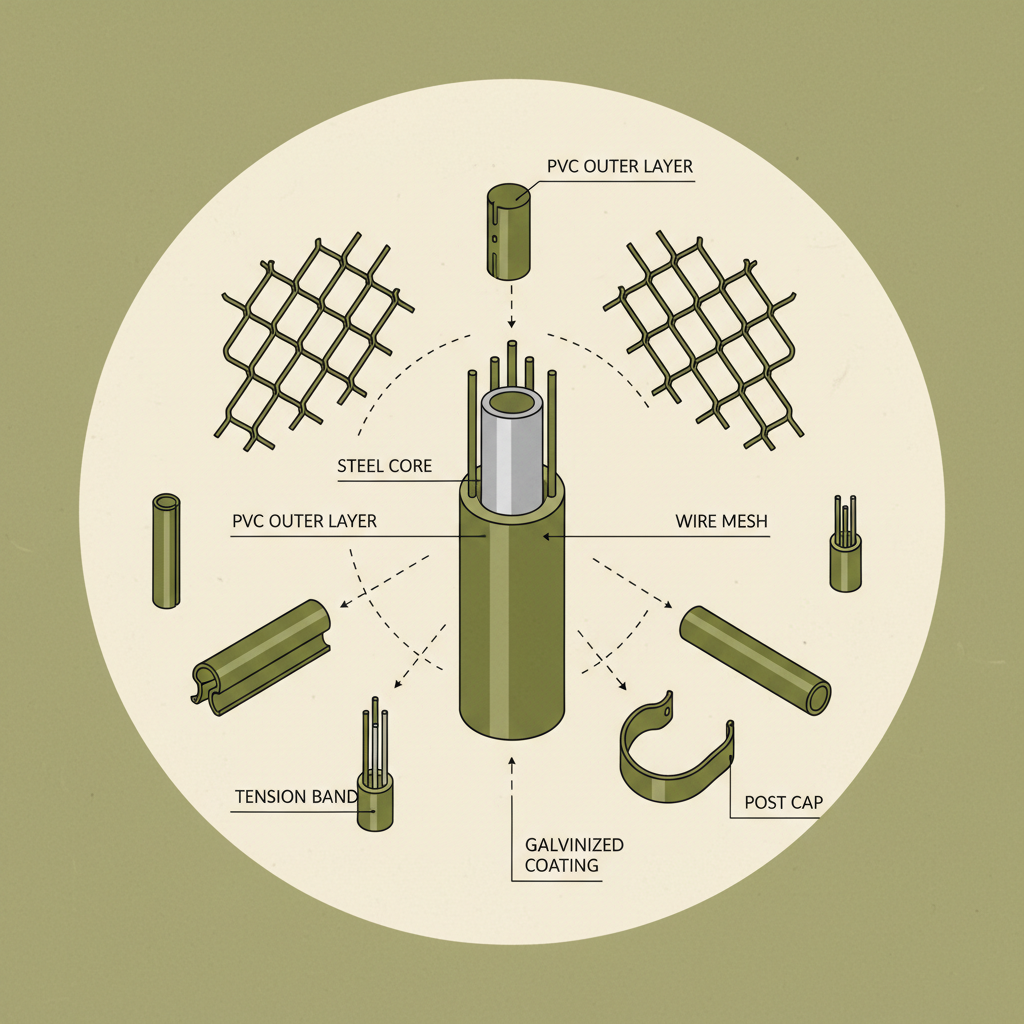
Another thing? Post spacing. Too wide, and the fence sags. Too narrow, and you’re wasting money on materials. It seems simple, but I’ve seen engineers mess it up more times than I care to remember. And don't even get me started on using the wrong type of fittings. Galvanized steel is a must. Anything else is just asking for corrosion issues.
Proper tensioning is crucial, too. A loose fence is an invitation to trouble. You'd think people would understand that, but... well, you'd be surprised.
Materials and Handling – The Devil's in the Details
Now, about the materials themselves… the wire is usually low carbon steel, which is good for formability. But the quality of the steel varies wildly. The PVC? That’s where it gets interesting. You want a plasticizer that's resistant to migration. Otherwise, the coating gets brittle over time. The smell is a good indicator, actually – a strong, chemical smell usually means the plasticizer is low quality.
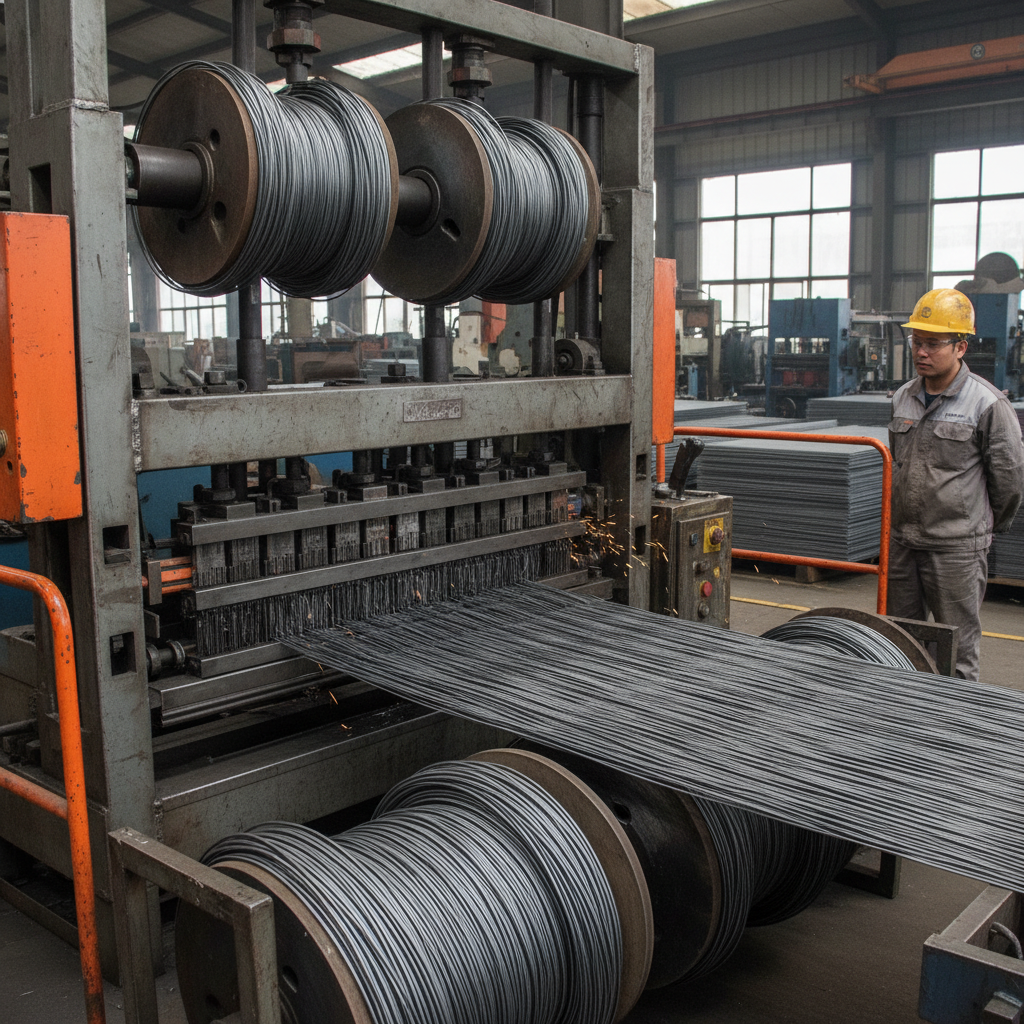
Handling these materials on site is a pain. The wire rolls are heavy. Seriously, you need proper lifting equipment. And the PVC coating? It can get scratched easily if you’re not careful. A little scratch doesn't seem like much, but it’s a starting point for corrosion. I always tell my guys, treat it like a finished product, even before it's installed.
And don’t store it in direct sunlight! The heat will warp the coating and make it even more susceptible to damage. Believe me, I’ve seen it happen. It's always the little things, isn't it?
Real-World Testing: Beyond the Lab
Lab tests are fine, I guess. Salt spray tests, UV exposure tests… they give you some numbers. But they don't tell you how the fence will hold up to a determined attacker with a pair of wire cutters. Or how it'll survive a hailstorm.
I prefer to see these fences installed in real-world conditions and left to weather for a few years. We actually have a test plot on a former industrial site where we install different types of fencing and monitor them for corrosion, UV degradation, and overall performance. It's not glamorous, but it’s honest work.
PVC Coated Fence Supplier Performance Metrics
How People Actually Use PVC Coated Fences
You'd think it’s always about security, right? Keeping people out. But a lot of times, it's about noise reduction. Especially along highways or near industrial facilities. A good PVC coated fence can significantly dampen sound.
And surprisingly, aesthetics matter. People want something that looks good. A clean, professional fence can improve the overall appearance of a property. It’s not just about function; it's about image.
The Good, The Bad, and Customization
Okay, the good? Durability, corrosion resistance, relatively low maintenance. The bad? Well, it's not cheap. And it can be difficult to repair if the coating gets damaged. But the biggest downside, in my opinion, is the lack of flexibility. It’s not like wood, you can’t easily modify it on site.
But you can customize it. We had a client a few years back who wanted a specific shade of green to match their corporate branding. It wasn't easy, and it cost extra, but we were able to work with the pvc coated fence supplier to get it done. It involved special pigment mixing and a few extra quality control checks, but the client was thrilled. And honestly, that’s what it's all about.
A Tale From The Field
Last month, that small boss in Shenzhen who makes smart home devices insisted on changing the interface to , and the result was... a complete mess. He wanted a super sleek, modern look for his factory’s perimeter fence. He specified a light grey PVC coating and demanded the tightest tolerances. Sounds reasonable, right?
But he kept changing his mind about the post spacing, and the construction crew was constantly having to re-do sections. It added weeks to the project and significantly increased the cost. In the end, he got his fancy fence, but he learned a valuable lesson about the importance of planning.
Anyway, I think the biggest challenge with these fences is finding suppliers who understand the importance of consistency. You need a reliable source who can deliver the same quality product time after time. Otherwise, you’re just asking for trouble.
Summary of Key PVC Coated Fence Supplier Considerations
| Material Quality |
Coating Durability |
Supplier Reliability |
Customization Options |
| Wire Gauge (Low Carbon Steel) |
UV Resistance (5-10 rating) |
Lead Times (2-4 weeks) |
Color Matching (Pantone Availability) |
| Steel Tensile Strength (MPa) |
Abrasion Resistance (Scale 1-5) |
Quality Control (ISO Certification) |
Post Spacing Flexibility |
| Galvanization Thickness (Microns) |
Plasticizer Type (Phthalate-free) |
Order Minimums (Rolls/Meters) |
Coating Thickness Options |
| Weld Strength (Shear Test) |
Chemical Resistance (Acid/Alkali) |
Warranty Coverage (Years) |
Custom Mesh Size Availability |
| Corrosion Resistance (Salt Spray Test) |
Temperature Range (-20°C to 60°C) |
Shipping Capabilities (Domestic/International) |
Specific Coating Finishes |
| Compliance (ASTM Standards) |
Flexibility (Bending Radius) |
Customer Support (Responsiveness) |
Specialty Accessories |
FAQS
In a coastal environment, salt spray is the biggest enemy. A well-maintained, high-quality PVC coated fence, using galvanized steel core wire and a robust PVC coating, can realistically last 15-20 years. However, regular inspection and cleaning are critical to remove salt buildup. Cheaper coatings will fail much faster, potentially within 5-7 years. A good supplier will also recommend specific coating thicknesses for coastal applications.
Extreme temperatures, both hot and cold, can impact PVC. Intense heat can make the coating brittle over time, while extreme cold can make it more susceptible to cracking. Quality PVC formulations are designed to withstand a wide temperature range, but prolonged exposure to either extreme should be avoided. Darker colors also absorb more heat, potentially accelerating degradation. The range is generally -20°C to 60°C.
For high-security applications, you want to prioritize wire gauge and mesh size. A 12 gauge or even 9 gauge wire is recommended, combined with a smaller mesh opening to prevent climbing. Galvanization is also crucial, and a heavier galvanization coating will provide better corrosion resistance. You’ll also need robust posts and secure fittings. It's not just about the fence itself; it's about the entire system.
Recycling PVC coated fencing is challenging, unfortunately. The combination of metal and plastic makes it difficult to separate the materials. Some specialized recycling facilities can handle it, but it's not widely available. Focus on choosing durable fencing that lasts a long time, reducing the need for replacement, is the most sustainable approach. It's also worth asking your pvc coated fence supplier if they have any take-back programs.
Common causes include UV exposure, abrasion, chemical damage, and improper installation. Cheap plasticizers migrating out of the PVC can also lead to brittleness. Physical damage, like impacts from vehicles or debris, can also cause cracking and peeling. Regular inspection and maintenance, including cleaning and touch-up repairs, can significantly extend the life of the coating.
Proper tensioning is vital to prevent sagging and ensure the fence's longevity. Use a fence tensioner, and follow the manufacturer's recommendations for tension levels. Over-tensioning can stretch the wire and compromise its strength, while under-tensioning will lead to sagging. Check the tension periodically after installation and adjust as needed, particularly in the first few weeks as the wire settles.
Conclusion
So, there you have it. PVC coated fencing isn't just about keeping things in or out. It's about durability, security, aesthetics, and making a smart investment that will pay off in the long run. From choosing the right materials to understanding the nuances of installation and maintenance, there's a lot to consider.
Ultimately, whether this thing works or not, the worker will know the moment he tightens the screw. It's a practical business, this construction game. You can talk about specs and standards all day, but in the end, it comes down to how it performs in the real world. And that’s what I look for. Visit our website: www.lanyewiremesh.com