Cut wire represents a fundamental component across a surprisingly wide range of industries, from construction and manufacturing to agriculture and even disaster relief. Its versatility stems from its inherent properties - strength, flexibility, and relative affordability. Understanding the nuances of cut wire, its applications, and emerging innovations is crucial for professionals seeking efficient and sustainable solutions in their respective fields. Globally, demand for cut wire is consistently high, driven by infrastructure development, increasing agricultural needs, and a growing awareness of effective disaster preparedness.
The significance of cut wire extends beyond simple material provision. It is a critical enabler for numerous processes, influencing project timelines, resource allocation, and overall cost-effectiveness. The consistent quality and reliable performance of cut wire directly impact the integrity of finished products and structures. Furthermore, advancements in cut wire production – including improved materials and sustainable manufacturing processes – are playing a key role in reducing environmental impact and promoting responsible industrial practices.
The ability to rapidly deploy solutions utilizing cut wire, particularly in emergency scenarios, underscores its humanitarian importance. From constructing temporary shelters to reinforcing existing infrastructure after natural disasters, cut wire provides a swift and robust means of restoring essential services and supporting affected communities. This highlights the need for continued research and development in this area, focusing on improving both the functionality and sustainability of cut wire-based solutions.
The Fundamentals of Cut Wire
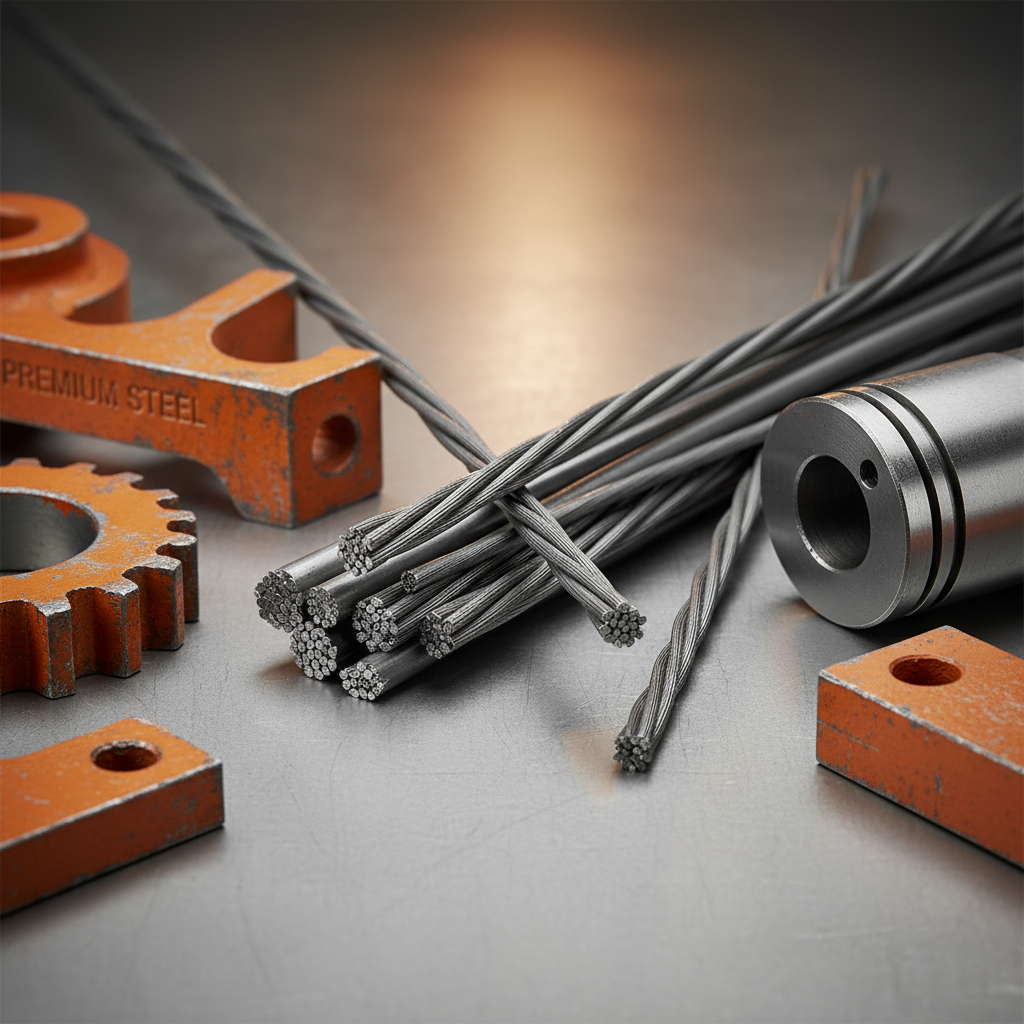
At its most basic, cut wire refers to metallic wire that has been precisely cut to specific lengths. This process is critical for optimizing its use in a diverse array of applications, minimizing waste, and ensuring efficient assembly. The type of metal used – steel, stainless steel, aluminum, or specialized alloys – dictates the properties of the resulting cut wire, making it suitable for different environmental conditions and performance requirements. cut wire quality is directly linked to the cutting process itself.
The precise cutting of wire is not merely a mechanical process; it’s a crucial step impacting the functionality of the final product. Dull or improperly maintained cutting tools can result in burrs, uneven edges, and weakened wire, reducing its tensile strength and potentially leading to premature failure. Therefore, consistent investment in high-quality cutting technology and rigorous quality control measures are vital for producing reliable and durable cut wire products.
Defining Cut Wire and Its Industrial Relevance
Cut wire is fundamentally a prepared component, not an end product, acting as a building block for more complex structures and systems. The term encompasses a range of wire gauges, materials, and finishing options, tailored to specific applications. It’s a staple in industries such as construction, where it’s used for reinforcement in concrete, tying rebar, and creating mesh for fencing. The prevalence of cut wire demonstrates its critical role in modern infrastructure.
Beyond construction, cut wire finds extensive use in manufacturing for creating wire forms, springs, and components for various mechanical devices. In agriculture, it’s essential for building fences, supporting plant growth, and securing irrigation systems. The relatively low cost and ease of manipulation make cut wire an attractive solution for a broad spectrum of industrial processes, often serving as a more practical alternative to more expensive materials.
This widespread applicability stems from cut wire’s adaptability. Modifications such as galvanization (for corrosion resistance) or coating with polymers (for insulation or specific aesthetic properties) further expand its versatility and suitability for diverse environments and applications. This makes cut wire a constantly in-demand material across numerous sectors.
Core Characteristics of Effective Cut Wire
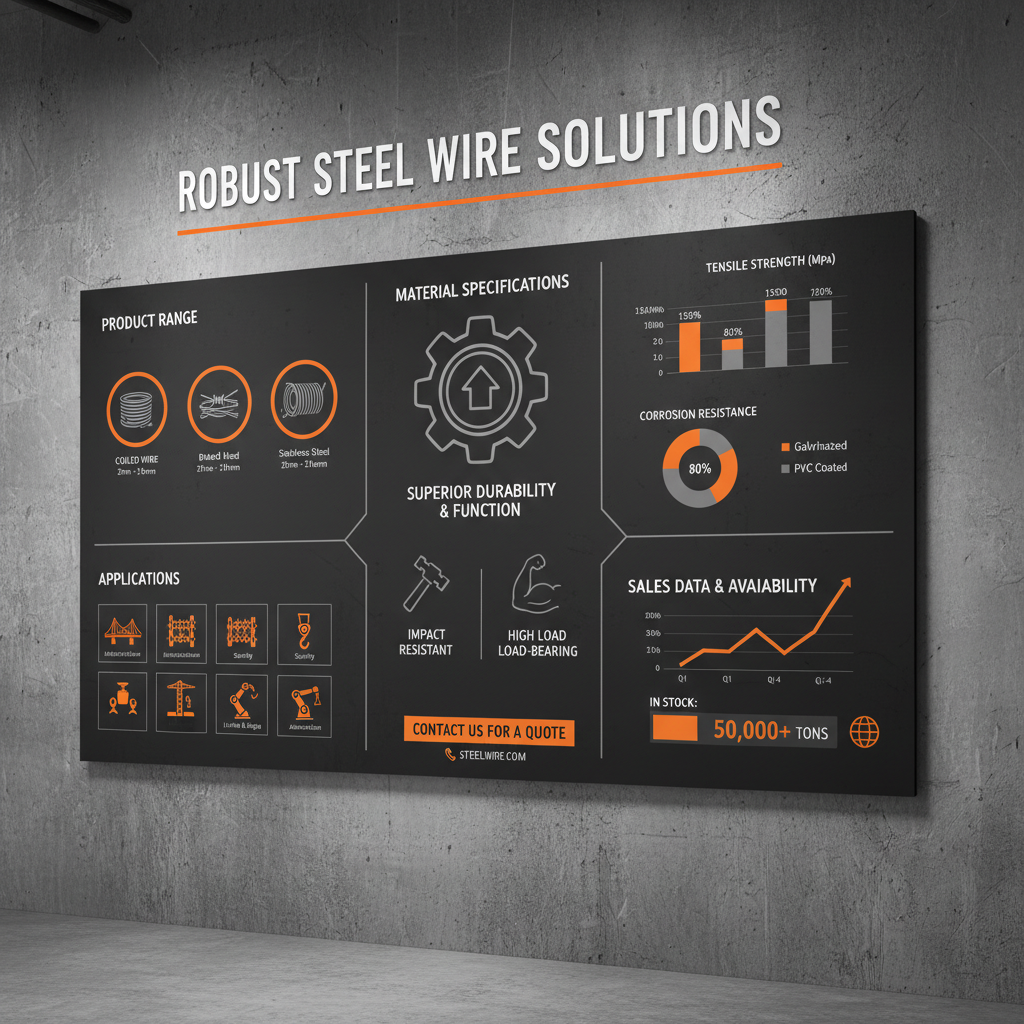
The effectiveness of cut wire hinges on several key characteristics. First and foremost is its tensile strength, defining its capacity to withstand pulling forces without breaking. This is directly influenced by the material composition and manufacturing process. Secondly, ductility, the ability to be drawn into a wire, is crucial for forming and shaping the cut wire into desired configurations.
Another critical factor is corrosion resistance, which dictates the longevity of the wire, particularly in exposed environments. Galvanization, as mentioned previously, is a common method of enhancing corrosion resistance. Finally, consistency in diameter and cut length are paramount for ensuring seamless integration into automated assembly lines and maintaining quality control standards. These consistent attributes translate to better outcomes in projects leveraging cut wire.
The overall quality of cut wire isn't just about these individual properties; it's about their interplay. A high-strength wire lacking sufficient ductility might be prone to fracturing during bending. Similarly, a highly ductile wire without adequate tensile strength might deform under load. Therefore, achieving the optimal balance of these characteristics is crucial for maximizing the effectiveness of cut wire in any given application.
Global Applications of Cut Wire Technology
The applications of cut wire span across geographical regions and industries. In developed nations, it's widely used in construction for reinforcing concrete structures, while in developing countries, it’s often a vital component in building affordable housing and agricultural infrastructure. Its utility isn't constrained by economic status, highlighting its universal value.
In post-disaster relief operations, cut wire is indispensable for creating temporary shelters, reinforcing damaged buildings, and establishing secure perimeters. Organizations like the Red Cross and Habitat for Humanity frequently utilize cut wire in their emergency response efforts. In remote industrial zones, such as mining operations, cut wire is used for fencing, securing equipment, and building temporary structures.
The automotive industry utilizes cut wire in various applications, including the production of springs, fasteners, and wire harnesses. The packaging industry relies on it for creating wire baskets and containers. Furthermore, the burgeoning field of renewable energy employs cut wire in the construction of solar panel frames and wind turbine components, indicating a broadening spectrum of applications as sustainability gains prominence.
Cut Wire Applications by Sector
Advantages and Long-Term Value Proposition
The advantages of utilizing cut wire extend beyond its immediate cost-effectiveness. Its high strength-to-weight ratio minimizes material usage without compromising structural integrity, contributing to resource efficiency. The relative ease of handling and shaping cut wire translates to reduced labor costs and faster project completion times. These tangible benefits make it an economically sound choice for many applications.
From a sustainability perspective, cut wire – particularly when sourced from recycled materials – offers a lower environmental footprint compared to alternatives like plastic or wood. The durability of cut wire ensures a longer lifespan, reducing the need for frequent replacements and minimizing waste. Furthermore, the widespread availability of cut wire supply chains ensures consistent access to this essential material.
Emerging Trends and Future Innovations in Cut Wire
The cut wire industry is experiencing a wave of innovation, driven by the demand for more sustainable and high-performance materials. Research into advanced alloys – incorporating elements like titanium and vanadium – is yielding cut wire with enhanced strength, corrosion resistance, and temperature stability. Simultaneously, developments in coating technologies are providing improved protection against harsh environmental conditions.
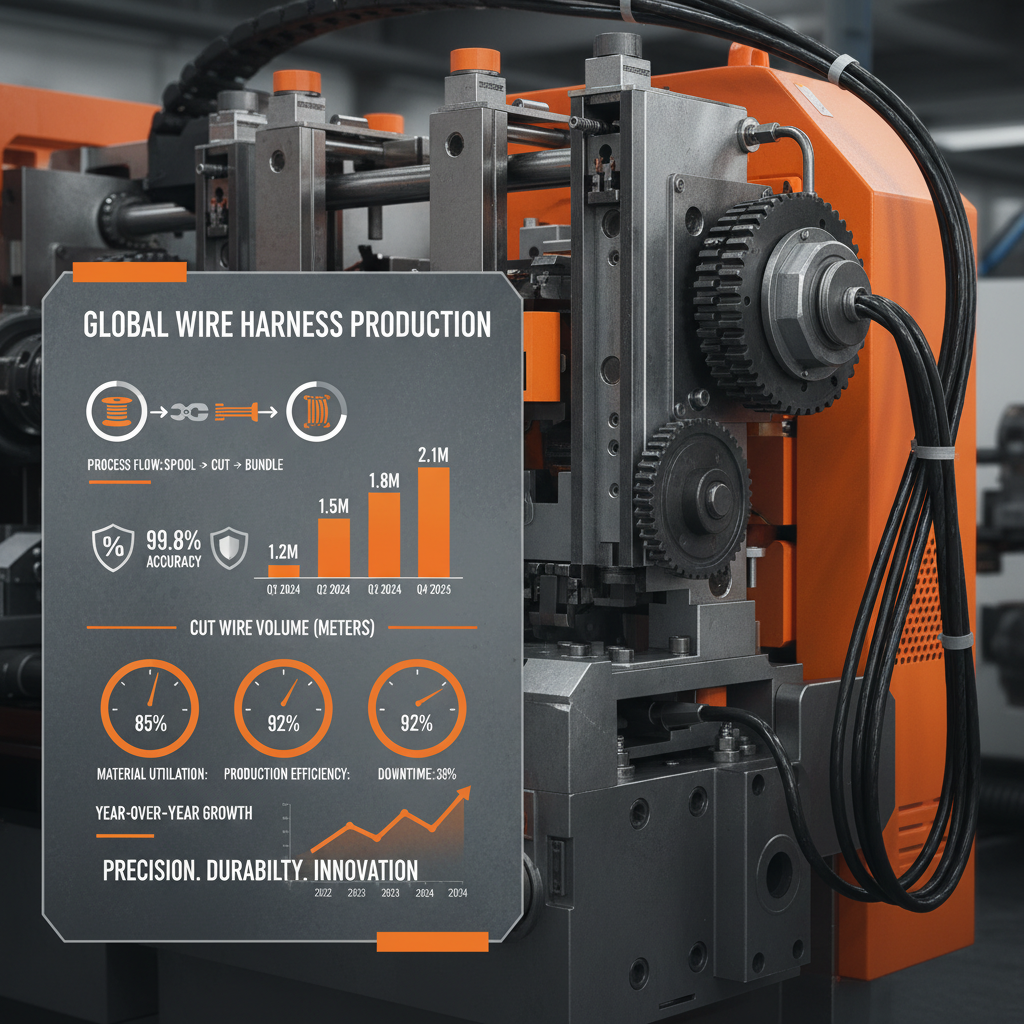
The integration of digital technologies, such as automated cutting and welding systems, is revolutionizing the manufacturing process, improving precision, reducing waste, and increasing production efficiency. Furthermore, the adoption of Industry 4.0 principles – including data analytics and predictive maintenance – is enabling manufacturers to optimize their operations and ensure consistent product quality.
Challenges and Solutions in Cut Wire Implementation
Despite its advantages, the implementation of cut wire isn’t without its challenges. Corrosion remains a persistent concern, particularly in marine environments or regions with high humidity. Ensuring consistent quality across different suppliers can also be problematic, potentially leading to variations in performance and reliability.
To mitigate these challenges, investing in high-quality corrosion-resistant coatings – such as hot-dip galvanization or epoxy powder coating – is crucial. Implementing rigorous quality control procedures and establishing long-term partnerships with reputable suppliers can help ensure consistent material quality. Employing advanced inspection techniques, such as ultrasonic testing and eddy current testing, can identify defects and ensure structural integrity.
Addressing the environmental impact of cut wire production is another key challenge. Promoting the use of recycled materials, optimizing manufacturing processes to minimize waste, and exploring alternative, more sustainable coating options are essential steps toward creating a more environmentally responsible industry.
Cut Wire Implementation Analysis
| Application Sector |
Corrosion Risk Level (1-10) |
Cost-Effectiveness Rating (1-10) |
Sustainability Index (1-10) |
| Construction (Reinforcement) |
6 |
9 |
7 |
| Agriculture (Fencing) |
7 |
8 |
6 |
| Automotive (Components) |
5 |
7 |
8 |
| Disaster Relief (Shelters) |
8 |
9 |
5 |
| Renewable Energy (Frames) |
4 |
6 |
9 |
| Manufacturing (Wire Forms) |
3 |
8 |
7 |
FAQS
Selecting the appropriate gauge of cut wire is crucial for ensuring structural integrity and performance. Factors to consider include the load-bearing requirements of the application, the environmental conditions (e.g., exposure to corrosion), and the desired flexibility. Thicker gauges offer higher tensile strength but are less pliable, while thinner gauges are more flexible but offer lower strength. A detailed engineering analysis is often necessary to determine the optimal gauge, balancing strength, flexibility, and cost-effectiveness.
Corrosion is a significant concern, especially in harsh environments. Several preventative measures can be employed, including galvanization (coating with zinc), epoxy powder coating, and using stainless steel wire. Regular inspection and maintenance are also crucial, particularly in marine or industrial settings. Selecting the correct coating based on the specific corrosive agents present is paramount for long-term protection. Proper surface preparation before applying coatings is equally important.
The environmental impact of cut wire can be minimized by utilizing recycled materials whenever possible. Choosing sustainable manufacturing processes that reduce waste and energy consumption is also critical. Furthermore, opting for non-toxic coatings and prioritizing durability to extend the lifespan of the wire reduces the need for frequent replacements and minimizes landfill waste. Responsible sourcing of materials is a crucial aspect of environmentally conscious cut wire usage.
The lifespan of cut wire in outdoor applications is highly variable and depends on factors like material composition, coating type, environmental conditions (exposure to salt, humidity, UV radiation), and the level of maintenance. Galvanized steel wire typically lasts 10-20 years, while stainless steel can last much longer, often exceeding 50 years. Regular inspections and re-coating can significantly extend the lifespan of less durable materials.
The cutting process can significantly impact the strength of cut wire if not performed correctly. Dull cutting tools can create burrs and deform the wire, reducing its tensile strength. A clean, precise cut is essential for maintaining the wire’s integrity. Utilizing appropriate cutting techniques, such as shearing or wire EDM, and regularly maintaining cutting tools are vital for ensuring optimal strength and preventing premature failure.
Finding reliable suppliers requires due diligence. Look for companies with certifications demonstrating quality control standards (e.g., ISO 9001). Request samples and conduct testing to verify material specifications and performance characteristics. Check for customer reviews and testimonials to assess the supplier's reputation and reliability. Consider suppliers who prioritize sustainable practices and responsible sourcing. cut wire suppliers should offer comprehensive material data sheets and technical support.
Conclusion
Cut wire, a seemingly simple material, is a foundational component across a remarkably diverse range of industries and applications. Its inherent properties – strength, flexibility, and affordability – coupled with ongoing innovation in materials and manufacturing processes, solidify its position as an indispensable element in modern construction, agriculture, manufacturing, and emergency response. Understanding the nuances of cut wire, from material selection to corrosion prevention, is critical for maximizing its effectiveness and ensuring long-term performance.
Looking ahead, the future of cut wire lies in embracing sustainable practices, leveraging digital technologies, and developing advanced materials that enhance its durability and corrosion resistance. Continuous research and development, coupled with a commitment to responsible sourcing and manufacturing, will be essential for unlocking the full potential of cut wire and addressing the evolving needs of a globalized and increasingly interconnected world. Visit our website to learn more: www.lanyewiremesh.com